A Fingerprint Sat on a CD Case for 25 Years — Then Police Looked Again
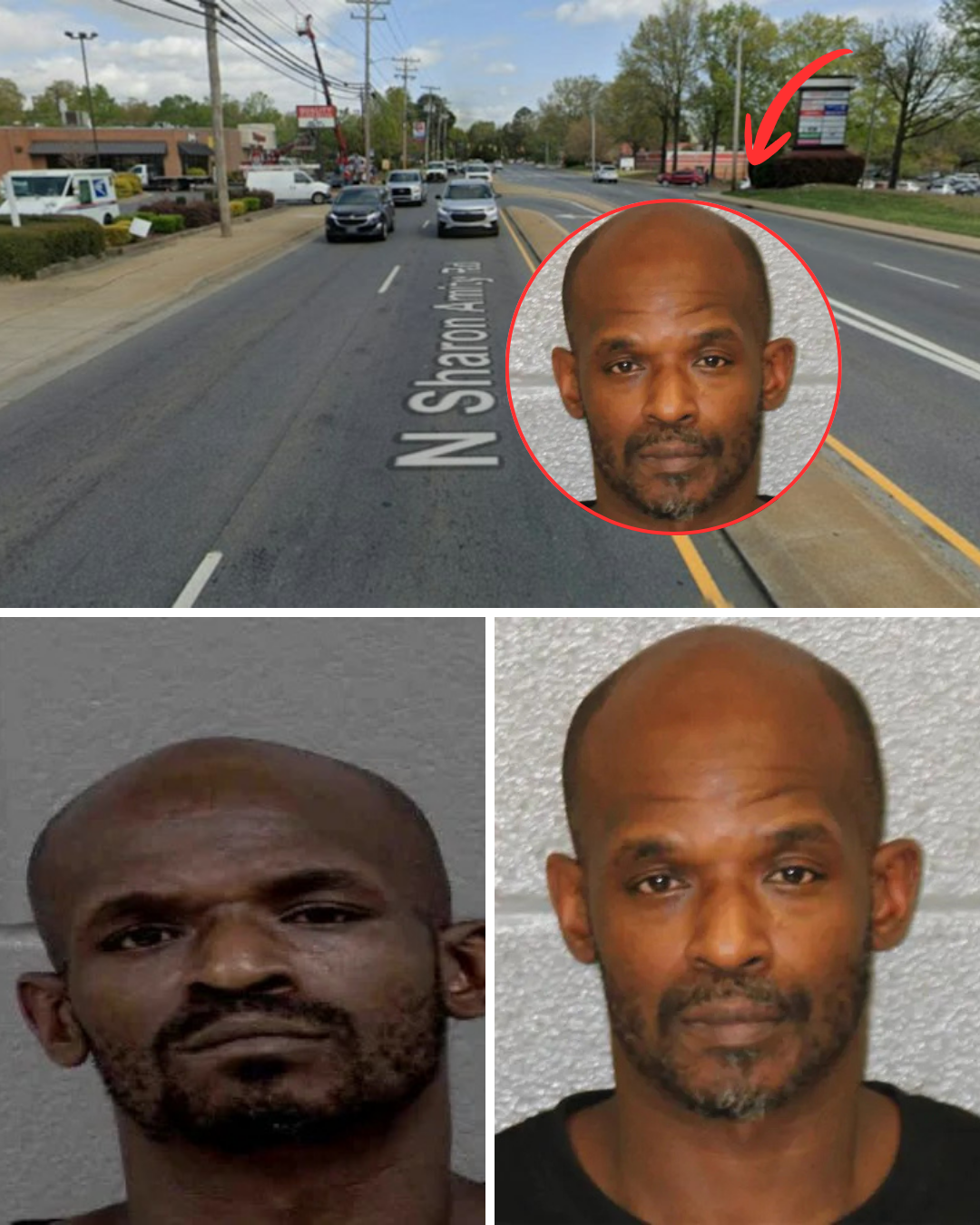
For nearly 25 years, the killing of 21-year-old Cesar Gudino Gonzalez remained unsolved.
Police had witnesses.
They had a stolen getaway van.
They had physical evidence collected during the original investigation.
And hidden among that evidence was something so ordinary it could easily have seemed meaningless:
A fingerprint on a CD case.
For decades, the print did not lead to an arrest.
Then Charlotte-Mecklenburg Police cold-case detectives reopened Gonzalez’s file in early 2026.
Less than two weeks later, a laboratory report gave investigators something the case had been missing for a quarter-century: a name.
Police say four fingerprints connected to the old crime scene and the getaway vehicle were identified as belonging to Alan Marquis Phifer.
One of them was on the CD case inside the stolen van.
Six months later, Phifer was arrested and charged with first-degree murder and robbery with a dangerous weapon.
He has not been convicted, and the allegations against him still must be proven in court.
But the arrest demonstrates why evidence from an old crime scene can remain important long after a case appears to have gone silent.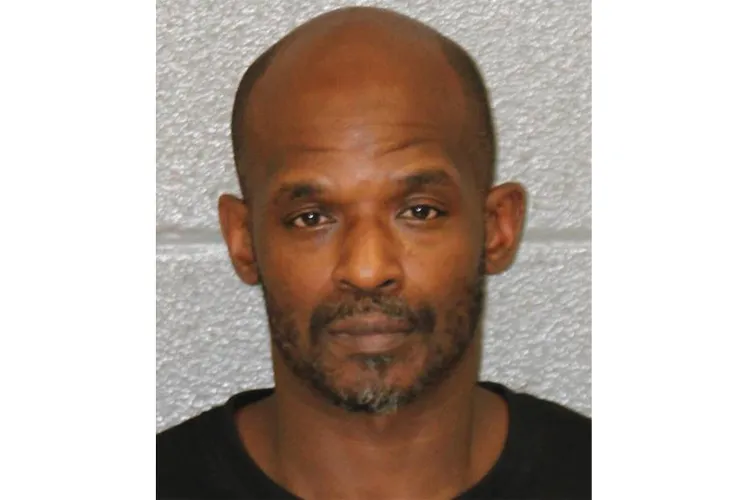
A Robbery Turns Deadly at 3:15 A.M.
The case began during the early morning hours of March 24, 2001.
At approximately 3:15 a.m., officers were called to the 3700 block of North Sharon-Amity Road in east Charlotte for a reported assault with a deadly weapon.
Inside an apartment, they encountered the aftermath of a violent robbery.
According to investigators, two armed men had entered the residence and robbed the people inside.
The confrontation escalated.
Three people were shot.
Two others were physically assaulted.
Among the victims was Cesar Gudino Gonzalez.
Police say Gonzalez fought with one of the robbers. During the struggle, the assailant managed to break away.
Gonzalez was shot in the leg and then in the head.
He died at the scene.
Two other shooting victims were transported to a hospital with injuries that authorities described as non-life-threatening.
By the time police arrived, the attackers were gone.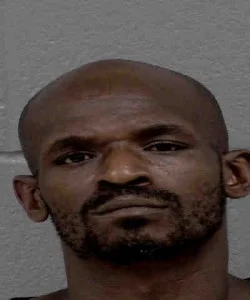
A Witness Saw a Van Leaving
Investigators did have an important lead.
A witness in a nearby apartment reportedly saw the two suspects leave in a van after the shooting.
That vehicle would soon become one of the most important pieces of the investigation.
About 11 hours later, police found the van abandoned on a nearby street.
Investigators determined it had been stolen the previous day.
For detectives in 2001, the recovered vehicle represented an opportunity.
The people responsible for the robbery may have touched doors, seats, objects or other surfaces inside it.
Police processed the van for evidence.
Among the items investigators examined was a CD case.
A fingerprint was recovered from it.
Other fingerprints were also collected in connection with the apartment and the vehicle.
Yet despite the witness information, the stolen van and the physical evidence, detectives could not identify and arrest Gonzalez’s killer.
Years passed.
Eventually, the investigation became a cold case.
The Evidence Didn’t Disappear
A cold case does not necessarily mean police have stopped caring about a crime.
Often, it means detectives have exhausted the leads available with the information or technology they have at the time.
Evidence, however, can survive much longer than an active investigation.
Fingerprints do not become irrelevant simply because years pass.
A print recovered decades earlier can potentially become valuable if investigators later have a person to compare it with or if database and laboratory capabilities provide a new match.
That is why preserving evidence can be so important.
In Gonzalez’s case, the items collected in 2001 were still waiting when another generation of detectives decided to take a fresh look.
January 29, 2026: Detectives Reopen the File
On January 29, 2026, investigators with the Charlotte-Mecklenburg Police Department’s Cold Case Unit formally picked the Gonzalez case back up.
Almost 25 years had passed since the shooting.
The investigators were examining a crime from another technological era.
In 2001, CDs were still an everyday part of life.
Smartphones did not exist in their modern form.
Modern investigative databases and laboratory tools had not yet developed into what detectives could access in 2026.
But the physical evidence remained.
Then came the break.
On February 9 — just 11 days after the Cold Case Unit reopened the investigation — detectives received a laboratory report that police say implicated Alan Marquis Phifer.
According to an affidavit later described in court reporting, four fingerprints associated with the crime scene and recovered van were identified as belonging to Phifer.
One print had reportedly been recovered near the entrance to the apartment.
Another came from the CD case inside the stolen van.
Suddenly, two locations central to the old investigation were allegedly connected by fingerprint evidence to the same person.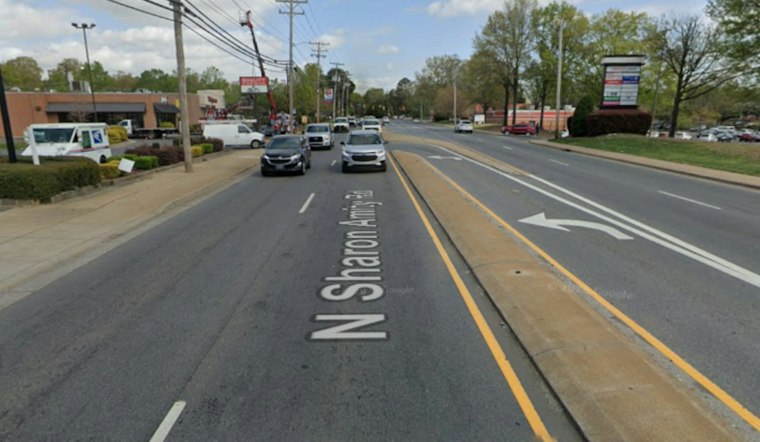
The CD Case Was Only Part of the Picture
The CD case makes the most striking detail because of how ordinary it was.
It was not a gun.
It was not an unusual object.
It was the type of plastic case that millions of people kept in their cars and homes in 2001.
But detectives did not base the investigation simply on one dramatic fingerprint.
After receiving the February laboratory report, cold-case detectives continued working for months.
CMPD says investigators conducted additional interviews and laboratory testing before seeking arrest warrants.
That distinction matters.
The fingerprint on the CD case may be the detail that captures attention, but it was part of a broader investigation rather than a complete case by itself.
The evidence still had to be examined in context.
Investigators had to determine whether it could be connected to the events surrounding Gonzalez’s killing and whether there was sufficient probable cause to make an arrest.
Twenty-Five Years After the Killing, Police Get a Warrant
On August 26, 2026, cold-case detectives obtained arrest warrants for Phifer.
Five days later, on August 31, CMPD’s Violent Criminal Apprehension Team located him and took him into custody.
Phifer, 43, was charged with first-degree murder and robbery with a dangerous weapon.
As of the early September updates on the case, he was being held in the Mecklenburg County jail without bond.
Police also notified Gonzalez’s family that an arrest had finally been made.
For relatives who had lived for nearly a quarter-century without an arrest, the development marked a major change.
But it was not the end of the legal process.
A criminal charge is an allegation, not a conviction. Phifer is entitled to the presumption of innocence while the case proceeds through court.
CMPD has also said the investigation remains active and ongoing.
Why Tiny Pieces of Evidence Matter
The Gonzalez case illustrates one of the defining features of modern cold-case investigations.
Time can destroy evidence.
But sometimes, time does the opposite.
It gives investigators tools that did not exist — or were not as effective — when the crime originally happened.
Old fingerprints can be compared again.
Stored biological evidence can sometimes undergo new testing.
Witness accounts can be reconsidered alongside new physical findings.
And items that once appeared insignificant can take on new meaning.
In this case, the image is difficult to forget.
Two armed men allegedly flee a deadly apartment robbery.
They leave in a stolen van.
Hours later, police recover it.
Inside is a CD case.
Someone had touched it.
Investigators preserved the evidence.
Then nearly 25 years passed.
The Case Was Cold. The Fingerprint Was Still There.
For decades, Cesar Gudino Gonzalez’s homicide remained one of Charlotte’s unresolved killings.
The people who knew him grew older.
Detectives changed.
Technology changed.
The city itself changed.
But evidence collected after the shooting remained connected to the file.
Then, in 2026, cold-case detectives looked again.
A lab report connected four fingerprints to a man police now accuse of participating in the crime.
And one of those prints came from an object that could hardly have seemed more ordinary:
a CD case inside an abandoned van.
It is a reminder that in a cold case, the smallest surviving piece of evidence may not be useless.
It may simply be waiting for the right moment to speak.