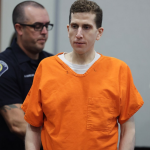
LINDSAY CLANCY HOLDOUT JUROR FACES NEW SCRUTINY — PAST DOMESTIC VIOLENCE CASE AND RESTRAINING ORDER RAISE QUESTIONS
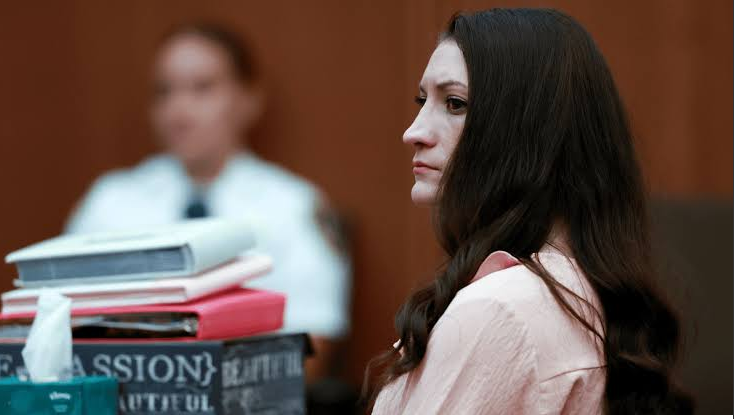
LINDSAY CLANCY HOLDOUT JUROR FACES NEW SCRUTINY — PAST DOMESTIC VIOLENCE CASE AND RESTRAINING ORDER RAISE QUESTIONS
New reporting has uncovered previously undisclosed details about the lone juror who prevented a unanimous verdict in the Lindsay Clancy trial — but a crucial question remains unanswered.
The Lindsay Clancy mistrial has taken another dramatic turn after new reporting revealed that the lone holdout juror had previously faced a domestic violence-related charge and was subject to an active restraining order during the trial.
NBC10 Boston reported that the juror had been accused in a 2021 domestic violence incident involving his then-wife. Court records show the misdemeanor charge was later dismissed.
Records also show that a restraining order was issued in 2025 after the man’s nephew accused him of pushing and repeatedly punching him. That order remained active while the Clancy trial was taking place.
But the most important question may not be what happened years ago.
It is whether the juror disclosed the information when he was being screened for jury service.
 THE QUESTION AT THE CENTER OF THE CONTROVERSY
According to the Boston Globe, prospective jurors in the Clancy case were required to provide information about their interactions with law enforcement and the court system, including arrests, criminal charges and other legal matters.
However, the actual questionnaires were confidential and were destroyed after being used.
That means there is currently no public record showing exactly how the holdout juror answered those questions.
The Globe reported that there is also no indication that the juror was legally disqualified from serving.
Massachusetts law does not automatically exclude someone from jury service simply because they have previously faced a misdemeanor charge. The Globe reported that disqualification generally involves a recent felony conviction or an open felony case.
So the central issue is not simply whether the juror had a record.
It is whether the information was accurately disclosed and, if so, whether prosecutors, defense attorneys and the court were aware of it before he was seated.
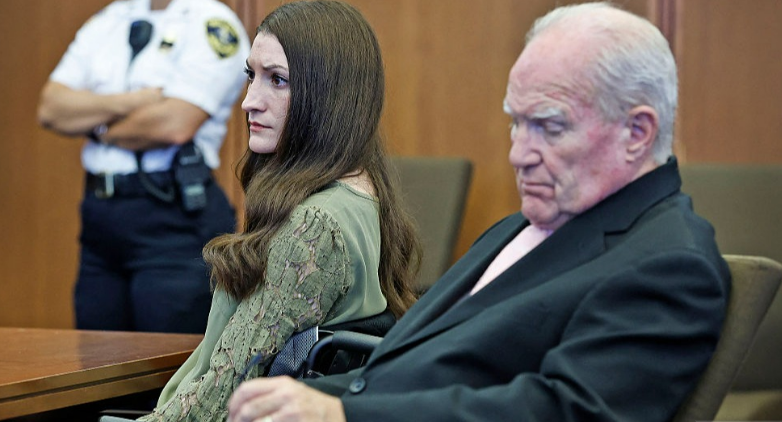 WHY IT MATTERS NOW
The issue has emerged only days after Clancy’s six-week trial ended in a mistrial.
The jury deliberated for seven days before reaching an impasse, with the holdout juror reportedly standing alone while the other 11 jurors favored finding Clancy not criminally responsible because of insanity.
Several jurors later spoke publicly about the deliberations and criticized the holdout’s conduct and reasoning.
The newly reported legal history has added another layer to that controversy.
Defense attorney Keith Halpern, who was not involved in the case, told the Globe that the information could raise questions about the jury-selection process.
Clancy’s attorney, Kevin Reddington, has also filed for a directed not-guilty verdict based in part on reports about what occurred during deliberations. That request has not yet been decided.
BUT THERE IS ANOTHER SIDE
Not everyone believes the controversy surrounding the juror should be allowed to expand into a public judgment of his character.
Boston Globe columnist Joan Vennochi reported that retired Massachusetts Superior Court judge Jack Lu criticized efforts to publicly scrutinize and identify the juror.
Lu argued that the backlash could threaten the privacy and independence that jurors are supposed to have while deliberating.
The concern is broader than the Clancy case: if jurors believe their personal histories and private deliberations could be publicly dissected whenever they disagree with the majority, it could affect people’s willingness to participate in jury service.
WHAT HAPPENS NEXT?
The mistrial itself remains the immediate legal reality.
Judge William F. Sullivan has scheduled a hearing for September 29 to address the next steps, while Plymouth District Attorney Timothy Cruz has not publicly announced whether prosecutors will seek a retrial on the first-degree murder charges.
The newly reported history of the holdout juror could become relevant if evidence emerges that he failed to answer required questions truthfully.
But at this point, that has not been established.
The unanswered question is therefore a narrow but potentially significant one:
WHAT DID THE JUROR ACTUALLY DISCLOSE DURING JURY SELECTION — AND WHAT DID THE COURT AND ATTORNEYS KNOW?
Until that question is answered, the controversy remains centered on the jury-selection process rather than a proven violation by the holdout juror.