“MY GREATEST GIFT IN LIFE” — NOAH DONOHOE’S MUM SPEAKS OUT AFTER SIX-YEAR FIGHT FOR ANSWERS
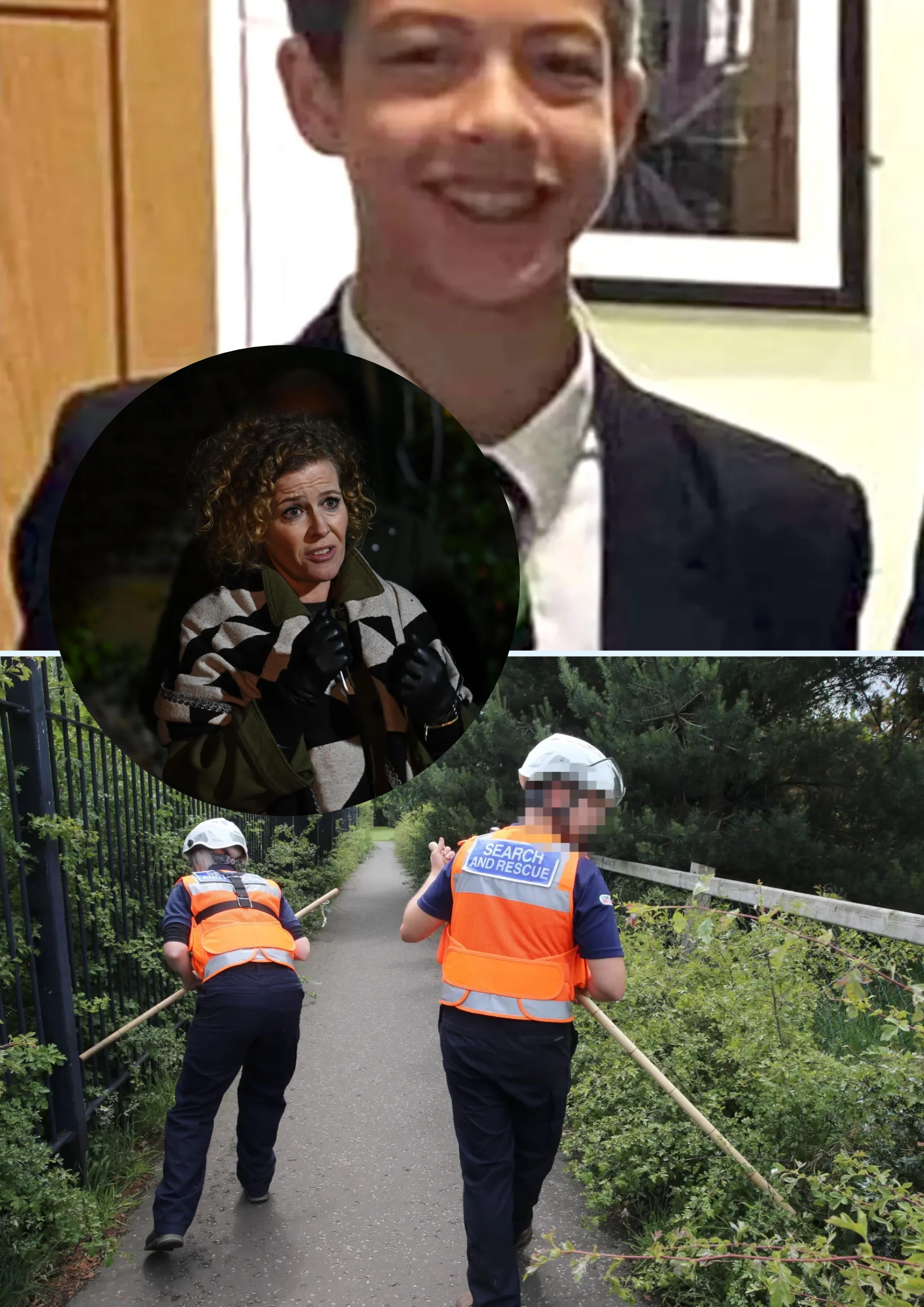
“MY GREATEST GIFT IN LIFE” — NOAH DONOHOE’S MUM SPEAKS OUT AFTER SIX-YEAR FIGHT FOR ANSWERS
The inquest into the death of 14-year-old Noah Donohoe has delivered a series of damning findings — but many questions surrounding his final hours remain unanswered.
For more than six years, Fiona Donohoe has searched for answers about what happened to her son.
On Tuesday, September 15, 2026, a jury at Belfast Coroner’s Court finally delivered its findings after one of the longest and most closely watched inquests in Northern Ireland.
But the verdict did not provide every answer Fiona had hoped for.
Instead, jurors identified failures involving both the management of the water culvert where Noah was found and the subsequent police investigation.
 NOAH DIED THE NIGHT HE DISAPPEARED
Noah, 14, disappeared on June 21, 2020, while cycling in Belfast.
His body was discovered six days later inside an underground water tunnel.
A post-mortem examination concluded that he died by drowning.
The jury found that Noah died sometime between approximately 7 p.m. and midnight on June 21, 2020, in the lower section of the culvert.
That finding means Noah had already died before his mother formally reported him missing.
A CULVERT THAT WAS NOT SECURE
One of the central issues examined during the inquest was the condition and accessibility of the underground water tunnel.
The jury found it was possible, but not probable, that failures by Northern Ireland’s Department for Infrastructure in managing access to the culvert contributed to Noah’s death.
Jurors heard evidence that the entrance was accessible and that the opening could be entered.
However, the finding did not establish that the culvert’s condition directly caused Noah to enter or that it was the definitive explanation for his death.
 13 POLICE FAILINGS IDENTIFIED
The jury did not find that any PSNI failure contributed to Noah’s death.
But investigators were criticized over what happened after Noah disappeared.
Jurors identified 13 investigative failings, including problems involving CCTV, search procedures, evidence handling and documentation.
Those shortcomings affected the jury’s ability to reach conclusions about some aspects of the case.
The inquest heard that important CCTV evidence was not always identified or secured quickly, while questions were also raised about the way searches and information were handled during the critical early stages.
SIX YEARS OF QUESTIONS
The inquest began in January 2026 and examined an enormous body of evidence.
Jurors heard from 76 witnesses, while statements from another 42 people were also considered.
They reviewed CCTV footage, police records, maps, photographs and expert evidence concerning the culvert and Noah’s final movements.
After 32 hours of deliberations over five days, the jury reached unanimous findings.
Yet some of the biggest questions remain unresolved.
The jury said there was insufficient evidence to determine why Noah behaved as he did before leaving home.
There was also insufficient evidence to establish a definitive explanation for every aspect of his final journey.
FIONA: “HE WAS MY GREATEST GIFT IN LIFE”
Outside court, Fiona Donohoe spoke of the son she had spent years fighting to understand.
She described Noah as her “greatest gift in life” and said she believed he had been failed by both the Department for Infrastructure and the PSNI.
Her comments reflected the frustration that has driven her campaign for answers since Noah’s disappearance.
She has repeatedly called for greater transparency and accountability surrounding the investigation.
A VERDICT — BUT NOT EVERY ANSWER
The inquest has established several important facts.
Noah drowned.
He died on the evening he disappeared.
A jury found that shortcomings in the management of the culvert may have contributed, although it said this was possible rather than probable.
And while police failings were identified during the investigation, the jury did not find that those failings caused Noah’s death.
But the precise chain of events that brought a 14-year-old boy into the underground tunnel remains without a complete explanation.
For Fiona Donohoe, Tuesday’s findings therefore mark not simply the end of a long legal process, but another painful chapter in a six-year search for answers.
Noah’s story remains one that his family and supporters have refused to let disappear.
FULL STORY AND LATEST INQUEST FINDINGS IN THE COMMENTS.