Rumer Willis’ Custody Battle Over 3-Year-Old Louetta: Why Her Father’s Visits Remain Supervised

Rumer Willis once described herself simply as a mother who was “single momming it and co-parenting.”
Two years later, the arrangement surrounding her 3-year-old daughter, Louetta Isley Thomas Willis, has become considerably more complicated.
Willis — the eldest daughter of Bruce Willis and Demi Moore — and her former partner, musician Derek Richard Thomas, are now engaged in a contentious custody dispute in Los Angeles. Court filings from both sides offer sharply different accounts of their relationship, their attempts to co-parent and, most importantly, what arrangement is safest and healthiest for their young daughter.
The latest publicly documented court order has kept Thomas’ time with Louetta supervised while the parents continue fighting over whether he should progress to unsupervised and overnight visits. A Los Angeles County Superior Court judge ruled in early September that visits should remain monitored for the time being.
Thomas has strongly denied allegations that he has endangered his daughter, abused drugs or behaved abusively toward Willis. He has instead accused Willis of obstructing his relationship with Louetta and preventing him from exercising parenting time that he says the court intended him to receive.
Neither side’s disputed allegations have been established as fact by a final custody ruling.
At the center of all of it is a little girl who only recently turned three.
From a Public Love Story to a Custody Fight
Willis and Thomas welcomed Louetta at home on April 18, 2023.
The baby made Bruce Willis and Demi Moore grandparents for the first time, and Rumer frequently shared her joy about motherhood publicly. She and Thomas had announced the pregnancy in December 2022.
When their romantic relationship ended in 2024, there initially appeared to be hope for cooperative parenting.
In August of that year, Willis confirmed that the couple had separated, telling followers that she was a single mother and was co-parenting with Thomas. She also expressed gratitude for their relationship because it had brought Louetta into her life.
But by July 2025, the disagreement had reached court.
According to subsequent filings reported by PEOPLE, Thomas sought formal custody and visitation orders and accused Willis of interfering with his ability to maintain a relationship with their daughter. Willis later raised her own concerns about Thomas’ behavior and parenting.
Those competing versions of events would eventually produce an increasingly complicated legal battle.
The June Custody Order
A major development came on June 9, 2026.
Under the order, Willis received primary physical custody of Louetta, while she and Thomas continued to share joint legal custody. Thomas was scheduled to receive parenting time every other weekend beginning June 20.
The arrangement envisioned a gradual transition.
Thomas’ initial visits were to be supervised. After a six-week period, the schedule was expected to progress toward unmonitored parenting time and overnight visits.
Both parents also agreed to undergo a custody evaluation, and the court ordered them to participate in co-parenting counseling and use a co-parenting communication application.
On paper, it appeared to provide a path toward a more conventional shared-parenting arrangement.
In practice, the transition became another source of conflict.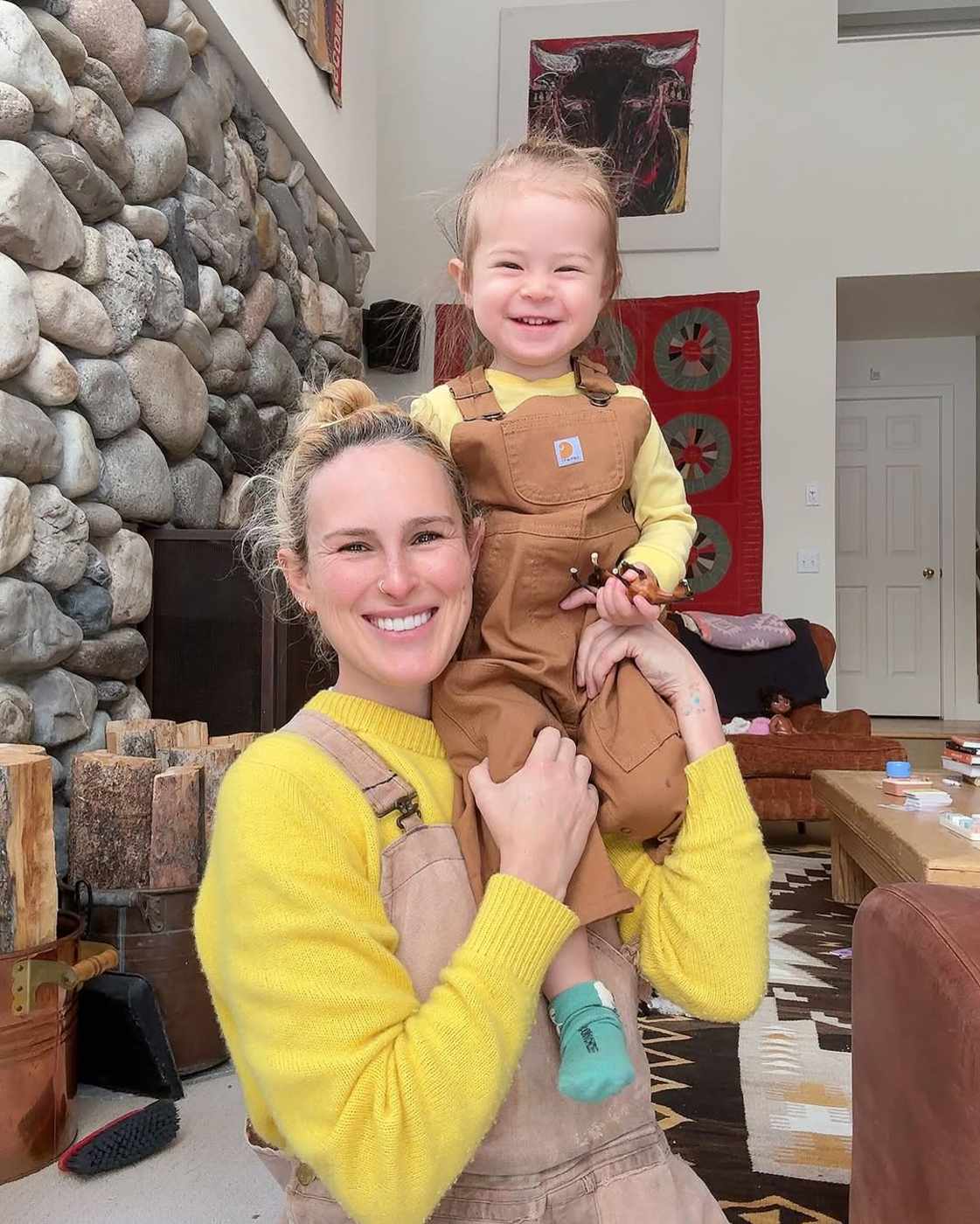
Rumer Says Supervision Should Continue
In late August, Willis returned to court seeking emergency intervention.
She asked the judge to prevent Thomas from moving into unsupervised overnight visits while the broader custody dispute and evaluation remained unresolved.
According to her filing, Thomas had completed only five and a half supervised visits since June 20 because of repeated disagreements involving the people assigned to monitor them. Willis alleged that Thomas refused to cooperate with replacement supervisors after one nanny became unavailable for medical reasons.
She described other incidents that she characterized as examples of unsafe judgment.
Among the allegations, Willis said Thomas at one point prevented a supervising nanny from entering the place where he was staying with Louetta and had rented shared accommodations involving other people. She also raised concerns about travel and transportation choices he allegedly made while caring for the child.
Willis has separately alleged drug use by Thomas.
In an earlier filing cited by PEOPLE, she claimed that on one occasion he was impaired by marijuana while Louetta was nearby. She has also accused Thomas of emotionally abusive and controlling behavior during their relationship.
Her mother, Demi Moore, entered the dispute as well.
In a court declaration reported earlier this year, Moore described Thomas as controlling and aggressive during incidents she said she witnessed surrounding Louetta’s birth and afterward.
Those are allegations, however — and Thomas disputes them.
Thomas Tells a Very Different Story
Thomas has categorically rejected claims that he abuses drugs or poses a danger to his daughter.
In an August court declaration obtained by PEOPLE, he wrote that he rejected “completely and without reservation” Willis’ allegations concerning drug abuse or behavior that endangered Louetta.
His version of the custody conflict reverses much of Willis’ account.
Thomas claims Willis has repeatedly interfered with his court-ordered parenting time and created obstacles preventing him from developing a normal relationship with his daughter.
He has alleged that disagreements over supervisors were used to cut visits short or prevent them altogether.
During one July dispute, Thomas said Willis arrived with police while he was supposed to be spending time with Louetta. According to his filing, officers treated the disagreement as a civil custody issue. Thomas said he ultimately allowed Willis to leave with their daughter because he did not want the situation to escalate in front of the child.
He has also accused Willis of treating supervision as a bargaining tool.
Thomas claimed Willis offered to remove supervision requirements if he agreed to one of her requests concerning Louetta’s attendance at his planned wedding. He argues that such exchanges show the monitoring dispute is not genuinely about safety.
Thomas has similarly denied Moore’s characterization of his behavior. His attorney has called allegations against him false and unsupported.
The Judge Keeps Supervision in Place
For now, the court has not permitted the planned transition to proceed automatically.
In early September, a Los Angeles County Superior Court judge ordered Thomas’ visits with Louetta to remain supervised.
The court also changed how a supervisor could be selected: Willis and Thomas were instructed to agree on someone they both trusted. If they could not reach agreement, a professional monitor would supervise the visits.
The ruling did not amount to a final determination that Willis’ allegations were true.
Thomas’ attorney emphasized that point after the decision, saying the temporary order was not a ruling on the merits of Willis’ accusations.
The unresolved question is whether and when Thomas should be permitted unsupervised overnight parenting time.
That question matters because the June order originally contemplated exactly such a transition after the initial supervised period. Willis now argues circumstances justify delaying it; Thomas argues the original plan should be enforced.
A Three-Year-Old at the Center
Celebrity names inevitably draw attention to the case.
Rumer is the daughter of two of Hollywood’s most recognizable actors. Demi Moore has submitted evidence supporting her daughter. Bruce Willis’ relationship with his first granddaughter has also been publicly documented as his family continues supporting him following his frontotemporal dementia diagnosis.
But the legal dispute is ultimately not about Hollywood.
It is about where Louetta spends her time, who makes decisions affecting her life and whether contact with her father requires another adult to be present.
The filings present two fundamentally incompatible narratives.
Willis portrays continued supervision as a safeguard while serious concerns are evaluated.
Thomas portrays it as an obstacle being used to restrict a father who wants a meaningful relationship with his daughter.
A court will ultimately have to separate allegations from evidence and decide what arrangement serves Louetta’s best interests.
Until that process moves further, one fact remains clear: the transition to ordinary, unsupervised parenting time has not happened as originally envisioned.
For a three-year-old too young to understand the legal filings being submitted in her name, the decisions adults make in that courtroom could shape her relationship with both parents for years to come.