FATHER OF TEEN WHO DIED AFTER USING LAUGHING GAS WARNS ‘KIDS DON’T CARE ABOUT THE DANGERS’ AS IRELAND SEES SHARP RISE IN MISUSE
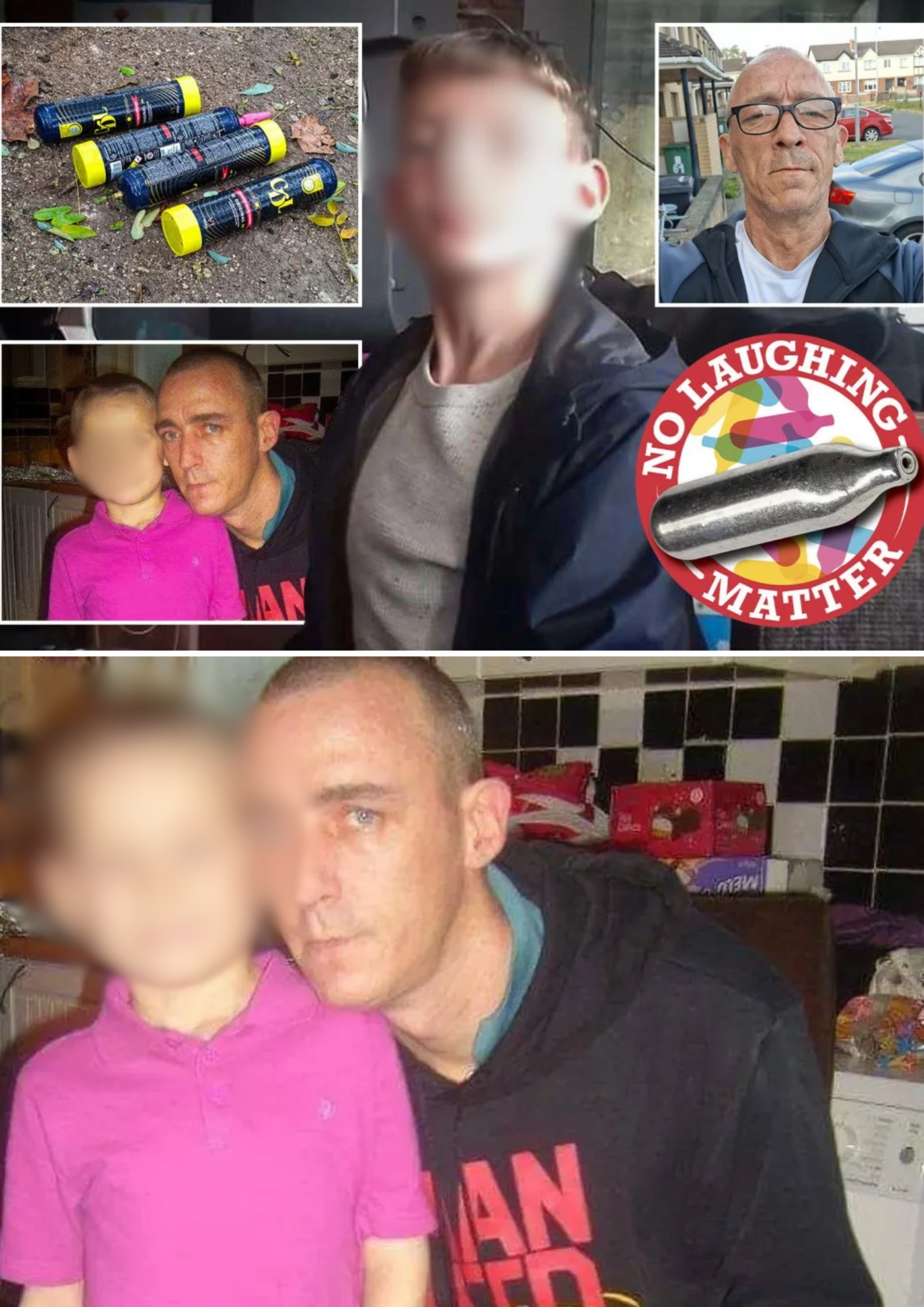
FATHER OF TEEN WHO DIED AFTER USING LAUGHING GAS WARNS ‘KIDS DON’T CARE ABOUT THE DANGERS’ AS IRELAND SEES SHARP RISE IN MISUSE
💔 A grieving father whose 15-year-old son died after using nitrous oxide is calling for urgent action as new figures reveal a dramatic rise in people seeking treatment for misuse of the gas in Ireland.
Mick Morrissey has spent the past six years living with the loss of his son Alex, a teenager from Tallaght, south Dublin, who died on May 20, 2020 after toxic poisoning linked to nitrous oxide.
Now, Mick is once again speaking out, saying he believes the problem has become increasingly difficult to ignore.
He is calling for a meeting with Ireland’s Health Minister Jennifer MacNeill to discuss what he describes as a growing public-health problem.
Speaking to The Irish Sun, Mick said: “Kids don’t seem to care about the dangers these things pose — to people and their families.”
 A TRAGEDY THAT CHANGED ONE FAMILY FOREVER
Alex had used nitrous oxide, commonly known as “laughing gas,” before his death.
The substance has legitimate medical and food-industry uses, including as an anesthetic and as a propellant used in products such as whipped cream.
But recreational inhalation carries health risks.
Ireland’s public drug information service warns that misuse can cause dizziness, loss of balance, disorientation and reduced oxygen levels. Heavy or repeated use can also lead to vitamin B12 deficiency and nerve damage. In severe circumstances, oxygen deprivation can be life-threatening.
For Mick, however, the issue is far more than statistics.
It is the loss of his son.
He told the newspaper that he had tried repeatedly to get authorities to take the issue seriously after Alex died.
“I’m tired, drained, and worn out over the last six years since Alex passed away,” he said.
 NEW FIGURES SHOW A 130% RISE
The father’s warning comes after newly released HSE figures revealed that the number of people presenting for treatment for problematic nitrous oxide use has risen sharply.
There were 30 recorded cases in 2022, when the HSE began recording nitrous oxide on the National Drug Treatment Reporting System.
That figure increased to:
- 54 cases in 2023
- 56 cases in 2024
- 69 cases in 2025
Overall, that represents a 130% increase between 2022 and 2025.
The figures also reveal particular concern about younger people.
Of the 69 cases recorded in 2025, 34 involved people aged 17 or younger, while another 28 involved people aged between 18 and 24.
Across the four-year period from 2022 through 2025, there were 209 recorded cases, with 119 — about 57% — involving people under the age of 18.
The figures were released following a parliamentary question from Sinn Féin TD Mark Ward, who has been raising concerns about nitrous oxide misuse for several years.
Ward said the data showed that the substance could have particularly serious consequences for young people.
‘THIS GAS CAN HAVE LONG-TERM IMPACTS’
Ward has pointed to reports of permanent neurological damage associated with repeated nitrous oxide misuse, including spinal cord and nerve problems.
He also highlighted a major gap in the available data.
Emergency departments do not currently record a specific national figure for presentations caused by nitrous oxide-related injuries, meaning the treatment figures may not capture the full scale of the problem.
That distinction is important.
The 69 cases recorded by the HSE represent people who presented for treatment for problematic use. They do not represent every person in Ireland who uses nitrous oxide recreationally or every hospital presentation potentially connected to the substance.
CANISTERS ARE TURNING UP ON IRELAND’S STREETS
The problem is also increasingly visible outside hospitals.
Dublin City Council has reported a major increase in the number of discarded nitrous oxide canisters being collected during clean-up operations.
The Irish Sun reported a 490% increase in canisters collected by council workers.
Revenue officials have previously warned that organised crime may be involved in the growing supply of nitrous oxide in Ireland.
Authorities have reported seizures involving large canisters, far bigger than the small cartridges traditionally associated with the substance.
The combination of increased availability, discarded canisters and growing treatment figures has intensified calls for stronger regulation.
GOVERNMENT RESPONSE COULD CHANGE IN 2027
Nitrous oxide currently has legitimate uses in healthcare and the catering industry, which has complicated calls for an outright ban.
In an Irish parliamentary response, the Government said it was not currently planning to introduce its own legislation specifically classifying nitrous oxide under the Misuse of Drugs Acts.
However, a significant regulatory change is expected at European Union level.
From February 2027, nitrous oxide is expected to be subject to an EU classification identifying it as potentially harmful to human reproductive health and the nervous system.
The Government said this reclassification could trigger further regulatory action, while proposed EU rules would restrict supply to the general public subject to exemptions for legitimate uses.
A FATHER STILL DEMANDING ANSWERS
For Mick Morrissey, those future changes cannot undo what happened to his family.
He wants to meet with the Health Minister and believes more needs to be done to warn young people about the risks before another family experiences a similar loss.
His message is shaped by personal experience rather than statistics.
Six years after losing Alex, he is still asking a question he believes deserves an urgent answer:
How many more young people need to be harmed before the dangers of recreational nitrous oxide use are taken seriously?
As Ireland records rising treatment figures and communities continue finding discarded canisters, the debate over how the substance should be regulated is becoming increasingly difficult to ignore.