THE FINAL CLIP OF LINDSAY CLANCY AND HER CHILDREN IS RAISING THE BIGGEST QUESTION AGAIN
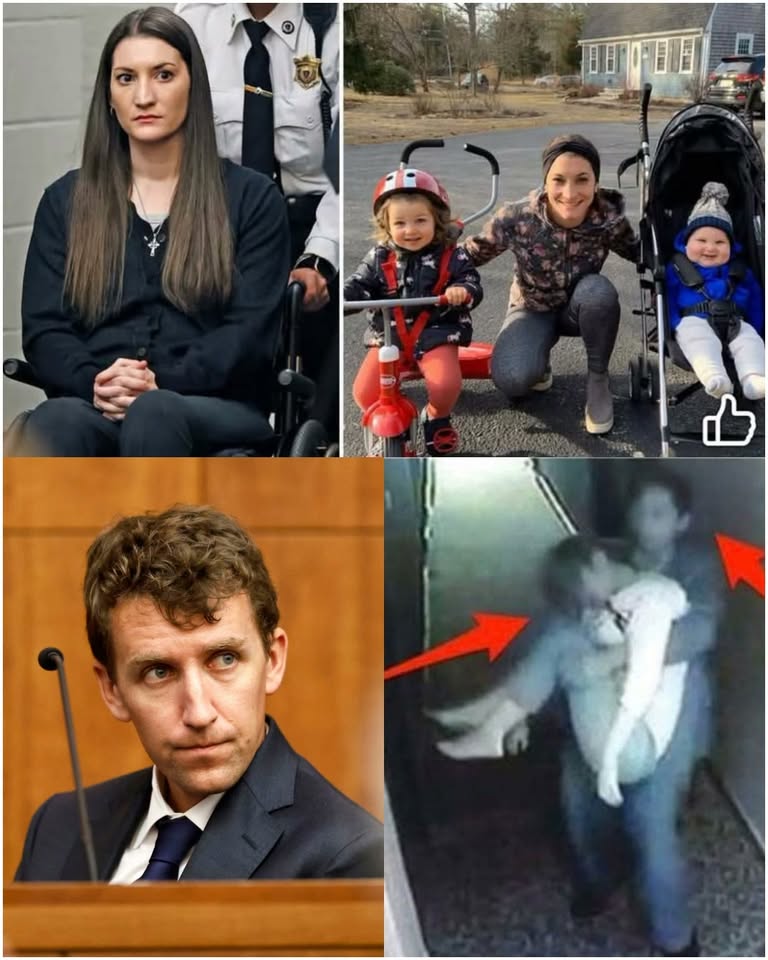
THE FINAL CLIP OF LINDSAY CLANCY AND HER CHILDREN IS RAISING THE BIGGEST QUESTION AGAIN
One ordinary-looking moment. Three children. And a question that the jury could not answer.
In the Lindsay Clancy case, some of the most powerful evidence was not a dramatic confession or a shocking courtroom statement.
It was footage showing a family doing something completely ordinary.
Lindsay with her children.
The children moving around.
A mother interacting with them.
A family appearing, at least on the surface, to be living an ordinary life.
But now, after a six-week trial ended in a mistrial, those images are being looked at through a very different lens.
Because the biggest question in the case was never simply what happened.
The defense did not seriously dispute that Lindsay caused the deaths of her three children.
The question was much harder:
What was happening inside her mind when it happened?
And that is where a seemingly ordinary final clip becomes much more complicated.
THE FAMILY THE JURY SAW ON VIDEO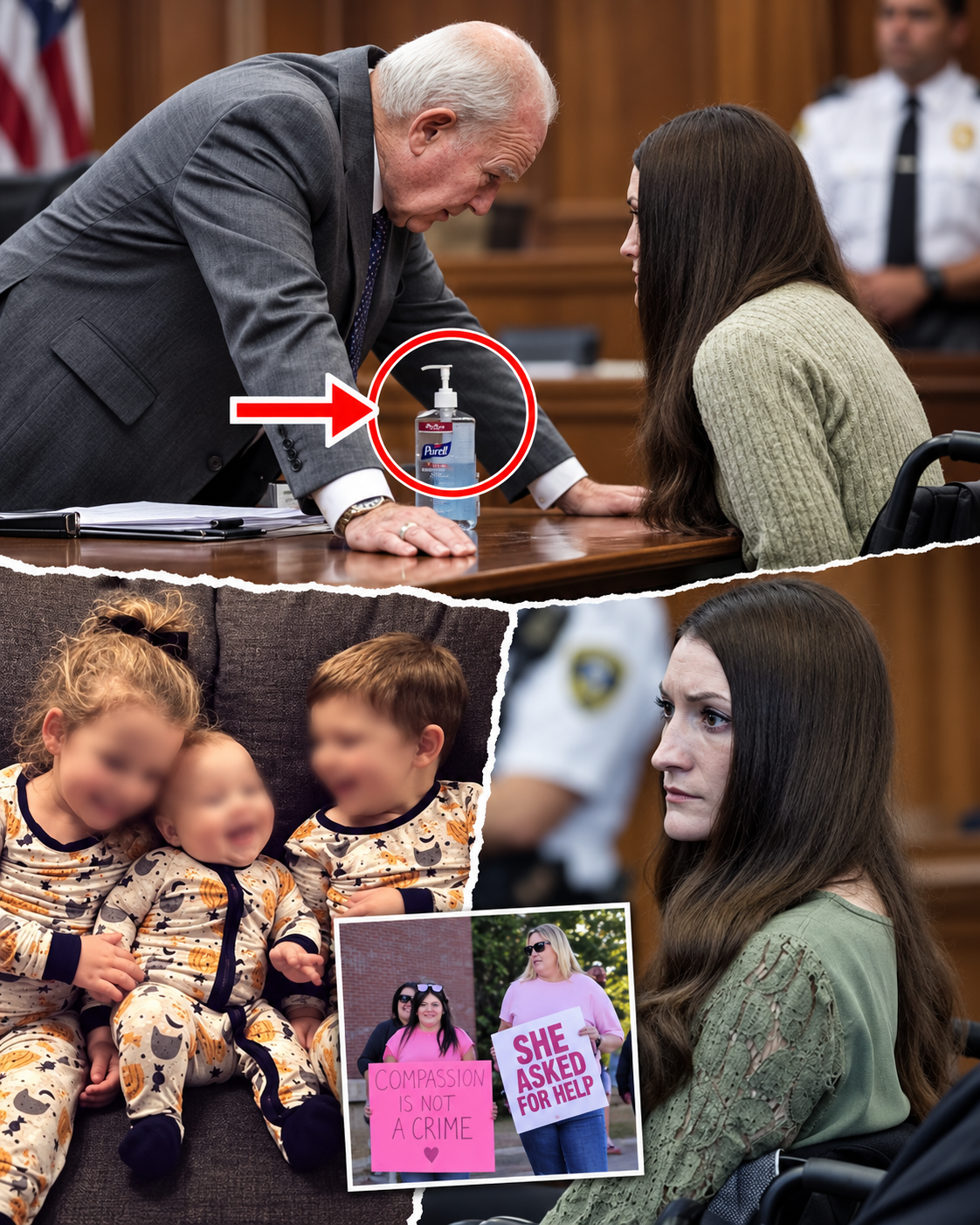
During the trial, jurors were shown surveillance footage of Lindsay and her family at the Museum of Science in Boston.
The footage showed Lindsay interacting with her children.
A Massachusetts State Police trooper who reviewed the video described where Patrick was standing and where Lindsay was positioned with the children. Reuters reported that the footage was presented to jurors during the trial.
To the prosecution, footage like this was relevant because it provided a picture of Lindsay functioning in the days and weeks surrounding the tragedy.
To the defense, however, a person appearing normal in a video does not necessarily answer what is happening internally.
That distinction became one of the central battles of the entire trial.
THE LAST NORMAL MOMENTS
The images are difficult to watch now because the viewer knows what happened afterward.
At the time, however, there was no obvious indication that the family was approaching an unimaginable tragedy.
That contrast is precisely what made the footage significant.
Lindsay had been a mother caring for three young children.
She had taken them places.
She had photographed them.
She had participated in family activities.
And people close to her described her as deeply devoted to her children.
But the defense also presented evidence that Lindsay’s mental health had deteriorated after the birth of her youngest child.
Her family testified about anxiety, insomnia, sadness and her attempts to obtain psychiatric treatment.
Her mother told the jury that Lindsay had once disclosed thoughts of harming the children.
Her former mother-in-law also described her as struggling and seeking help.
Reuters reported that these accounts formed part of the defense’s effort to show the deterioration in Lindsay’s mental health before January 24, 2023.
ONE VIDEO CANNOT SHOW EVERYTHING HAPPENING INSIDE A PERSON
This is where the case became extraordinarily complicated.
A person can appear calm.
They can smile.
They can care for their children.
They can hold a conversation.
They can take photographs.
And none of those things, by themselves, can establish whether that person is experiencing a severe psychiatric disorder.
That does not mean the footage was irrelevant.
It means the footage had to be interpreted alongside everything else.
Medical records.
Medication history.
Messages.
Search history.
Statements to family members.
Expert psychiatric testimony.
And the events of January 24.
The jury was asked to put all of those pieces together.
THE PROSECUTION’S INTERPRETATION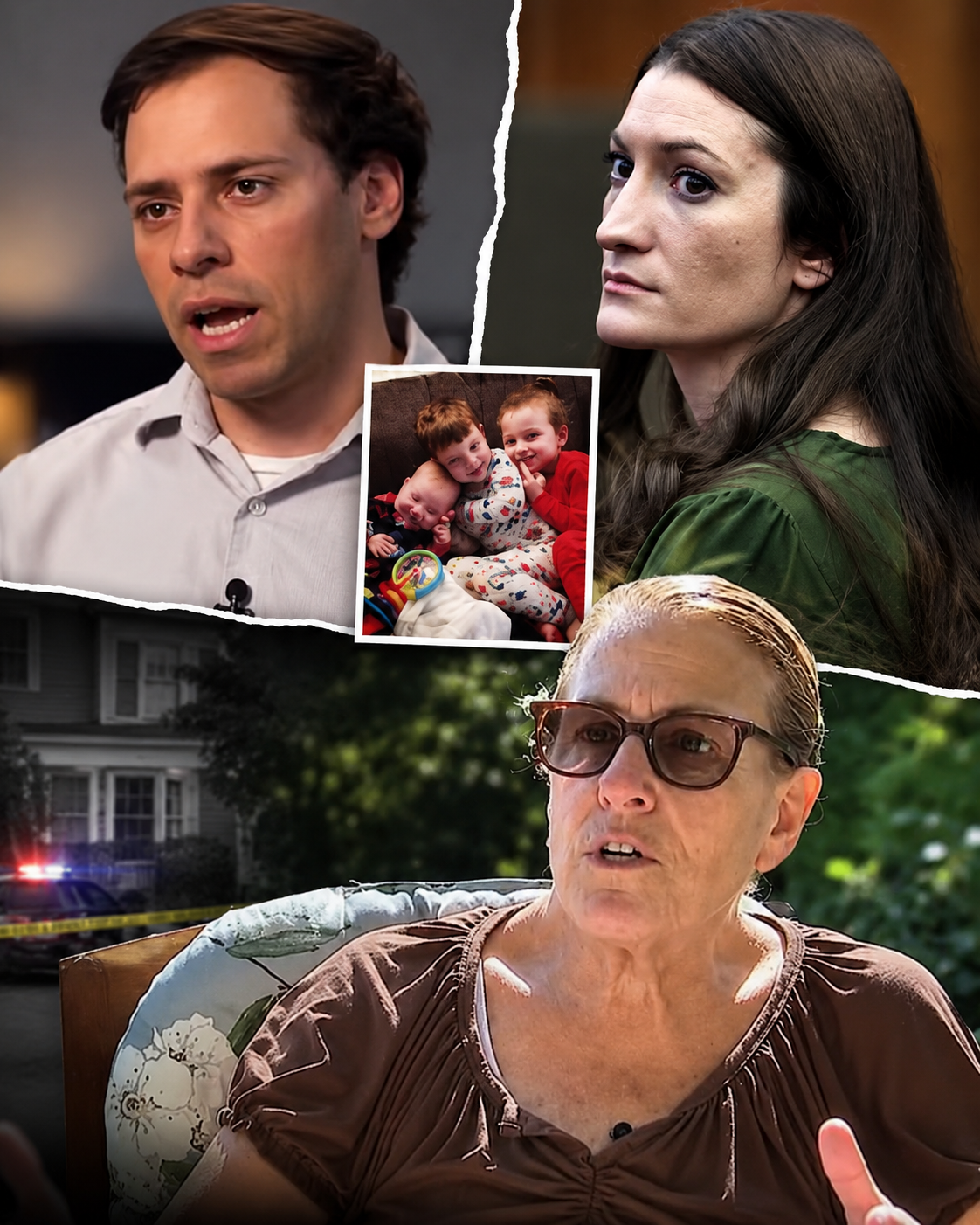
Prosecutors argued that Lindsay’s actions demonstrated awareness and planning.
They pointed to the timeline surrounding the killings and argued that she deliberately sent Patrick out of the house before killing the children.
They also presented digital evidence from her devices.
CBS News reported that investigators testified about searches found on a computer and phone, including material relating to suicide methods.
The prosecution’s psychiatric experts also challenged the defense’s interpretation of postpartum psychosis.
One prosecution expert argued that there were inconsistencies in Lindsay’s accounts.
Another disputed the idea that her behavior demonstrated the kind of psychosis that would eliminate criminal responsibility.
Reuters reported that prosecution and defense experts gave sharply different opinions about whether Lindsay was experiencing psychosis at the time.
THE DEFENSE SAW A DIFFERENT WOMAN
The defense presented another picture.
According to testimony reported during the trial, Lindsay had been struggling for months.
She sought treatment.
Medications were changed.
Her family became increasingly concerned.
And the defense argued that she was suffering from postpartum psychosis — a severe psychiatric condition that can involve delusions, hallucinations and profound disturbances in perception.
One defense expert testified that Lindsay was unable to conform her conduct to the requirements of the law because of mental disease.
The prosecution’s rebuttal expert disagreed.
That disagreement went directly to the legal standard the jury had to apply.
THEN CAME THE QUESTION OF THE FINAL HOURS
On January 24, 2023, Patrick left the home to pick up dinner and medication.
According to his testimony, the house was quiet when he returned.
He eventually discovered Lindsay outside after she had jumped from a second-floor window.
He then discovered the children in the basement.
Patrick’s 911 call was played for jurors during the trial, although the court prohibited the media from broadcasting the recording publicly. WBUR reported that the call lasted about seven minutes and that Patrick became distraught after discovering the children.
That moment became another crucial piece of the timeline.
Because the prosecution and defense were asking jurors to interpret the same sequence in completely different ways.
WAS IT PLANNING — OR PSYCHOSIS?
That question essentially became the heart of the case.
The prosecution argued that Lindsay understood what she was doing.
The defense argued that she was experiencing a severe mental illness that prevented her from being legally responsible.
And this is why a simple video clip could never provide the complete answer.
A recording can show behavior.
It cannot directly record someone’s internal thoughts.
It cannot show a delusion.
It cannot show a hallucination.
It cannot show exactly how someone understands reality at a particular moment.
Those questions require interpretation of the totality of the evidence.
THE JURY COULD NOT AGREE
After weeks of testimony, the jury began deliberating on August 27.
They deliberated for seven days.
They repeatedly told the judge they were unable to reach a unanimous decision.
On September 4, Judge William Sullivan declared a mistrial.
Reuters reported that defense attorney Kevin Reddington described the jury as essentially 11–1 in favor of a not-guilty-by-reason-of-lack-of-criminal-responsibility outcome, although the court did not enter such a verdict.
That distinction matters.
There was no acquittal.
There was no conviction.
There was no final verdict.
The jury was deadlocked.
THAT CHANGES HOW THE OLD FOOTAGE IS BEING VIEWED
Before the trial, a clip of Lindsay with her children might have looked like nothing more than a family memory.
After the trial, it became evidence.
And after the mistrial, people are looking at that evidence again.
But the meaning of the footage remains disputed.
Does it show a mother behaving normally shortly before the tragedy?
Does it demonstrate that she was functioning in everyday life?
Does it tell us anything about what she was experiencing privately?
Or does it simply show one brief moment that cannot capture the complexity of her mental state?
Those are very different questions.
THE MEDICAL EVIDENCE MAY MATTER MORE THAN THE VIDEO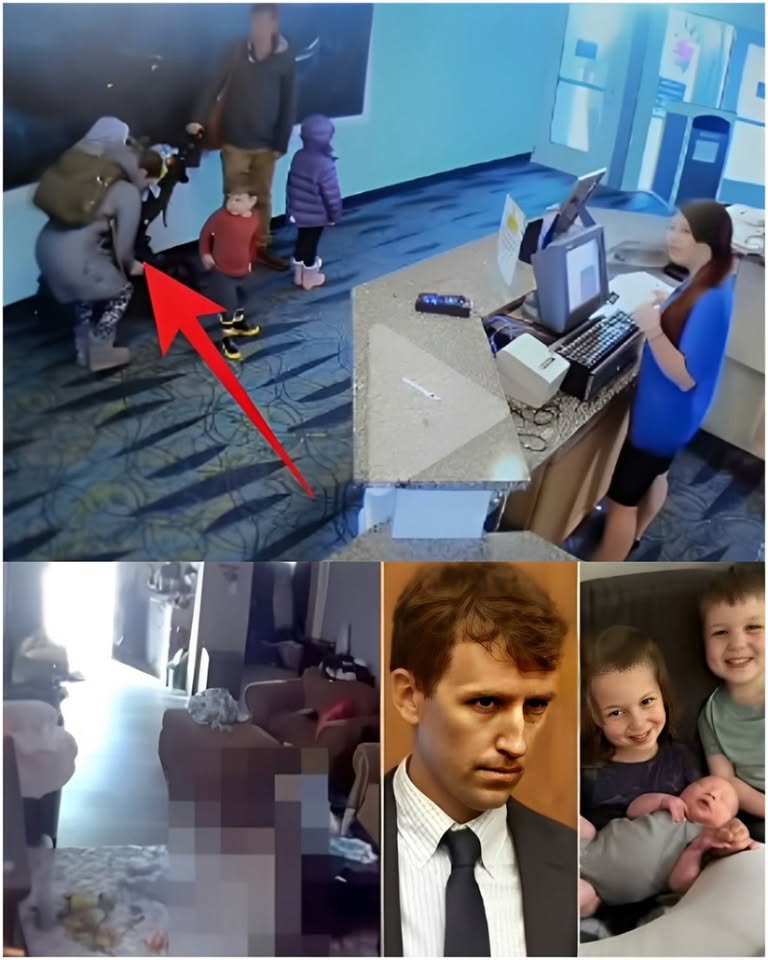
The most important evidence may ultimately be what happened between those ordinary family moments and January 24.
Lindsay’s medical history.
The medications she was taking.
Her reported symptoms.
The warnings she gave family members.
The treatment she sought.
And the competing psychiatric evaluations.
The trial exposed a profound disagreement between experts about how those facts should be interpreted.
That disagreement was never resolved by the jury.
THE CASE IS NOT OVER
The mistrial does not automatically end the legal proceedings.
Lindsay’s attorney has said he intends to seek dismissal based on double-jeopardy principles, arguing that the mistrial was not legally necessary.
A hearing is scheduled for September 29.
The outcome of that hearing could determine what happens next.
If the case continues, a future jury could eventually be asked to examine many of the same questions.
And that means the footage could come under scrutiny again.
THE BIGGEST QUESTION REMAINS
The most haunting part of the final footage is not necessarily something visible in the frame.
It is what the camera cannot show.
What was Lindsay Clancy thinking?
What was she experiencing?
What did she believe was happening?
And could her mental state legally excuse her actions?
The footage may show a mother with her children.
The medical evidence may show a woman struggling with severe psychiatric symptoms.
The prosecution’s evidence may suggest planning and awareness.
The defense evidence may suggest profound mental illness.
And the jury ultimately could not reconcile those competing narratives.
That is why the case remains unresolved.
A single clip cannot answer the question.
A single statement cannot answer it.
Even one expert cannot answer it.
The first jury heard weeks of evidence — and still could not reach a unanimous verdict.
Now, as the September 29 hearing approaches, the same question continues to hang over the case:
Was the final footage showing us what Lindsay Clancy appeared to be — or was it hiding what was happening inside her mind?
For now, there is no final answer.