THE LINDSAY CLANCY CASE: THE COURTROOM EVIDENCE IS ONE STORY — THE INTERNET IS TELLING ANOTHER
THE LINDSAY CLANCY CASE: THE COURTROOM EVIDENCE IS ONE STORY — THE INTERNET IS TELLING ANOTHER
The trial is over for now. The questions are not.
For nearly six weeks, the Lindsay Clancy case unfolded inside a Massachusetts courtroom, where prosecutors, defense attorneys, doctors, investigators and family members presented competing explanations for one of the most devastating cases in recent memory.
Then came September 4.
After more than seven days of deliberations, the jury could not reach a unanimous verdict.
Judge William Sullivan declared a mistrial.
There was no conviction.
There was no acquittal.
And there was no final answer to the central legal question of the case: whether Lindsay Clancy was criminally responsible for the deaths of her three children.
Since then, another trial has been taking place outside the courthouse.
The trial of social media.
And unlike the courtroom, the internet does not require twelve jurors, sworn testimony or evidence admitted under legal rules before a theory can spread.
THE CASE ENDED IN A DEADLOCK — BUT ONLINE, THEORIES HAVE EXPLODED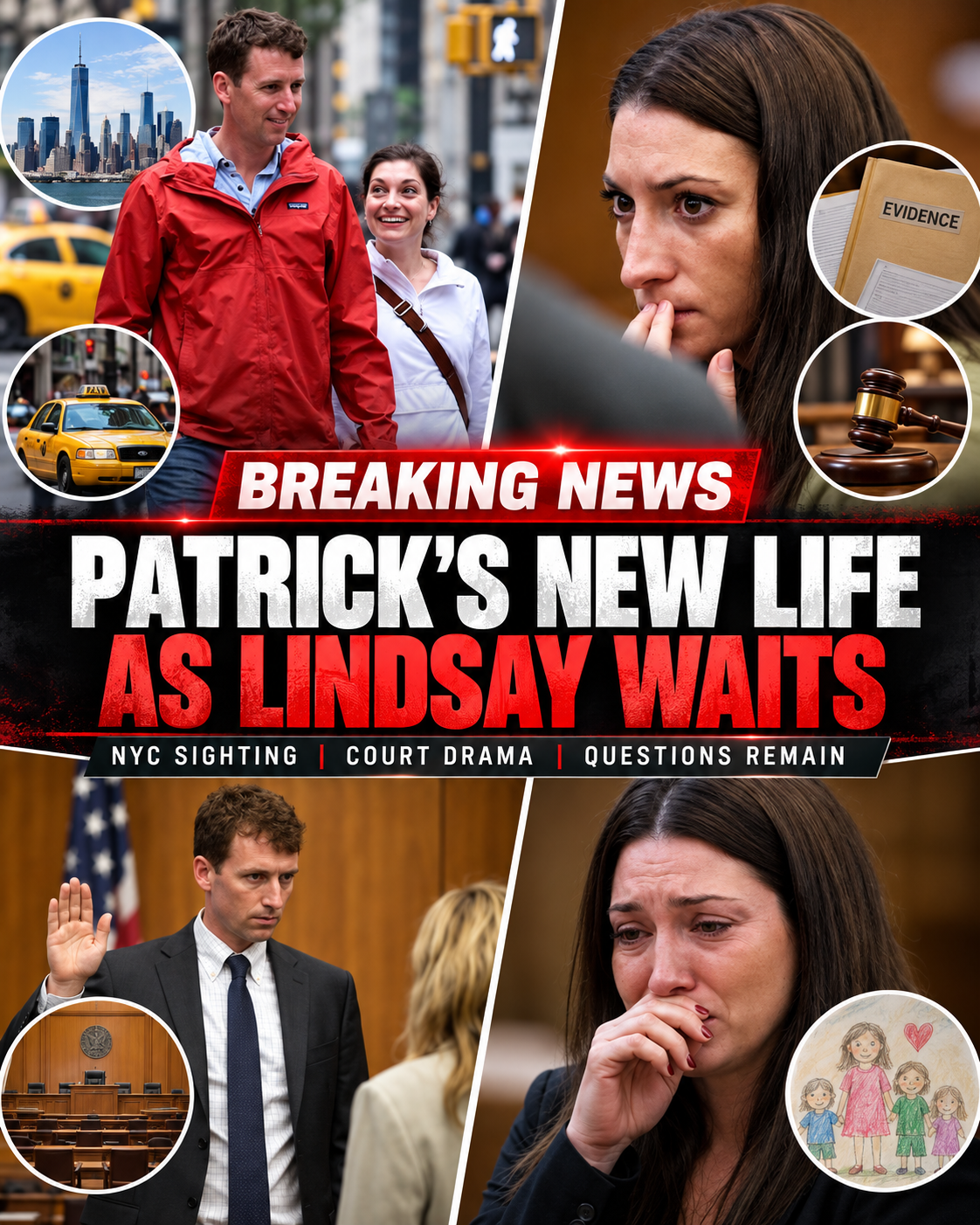
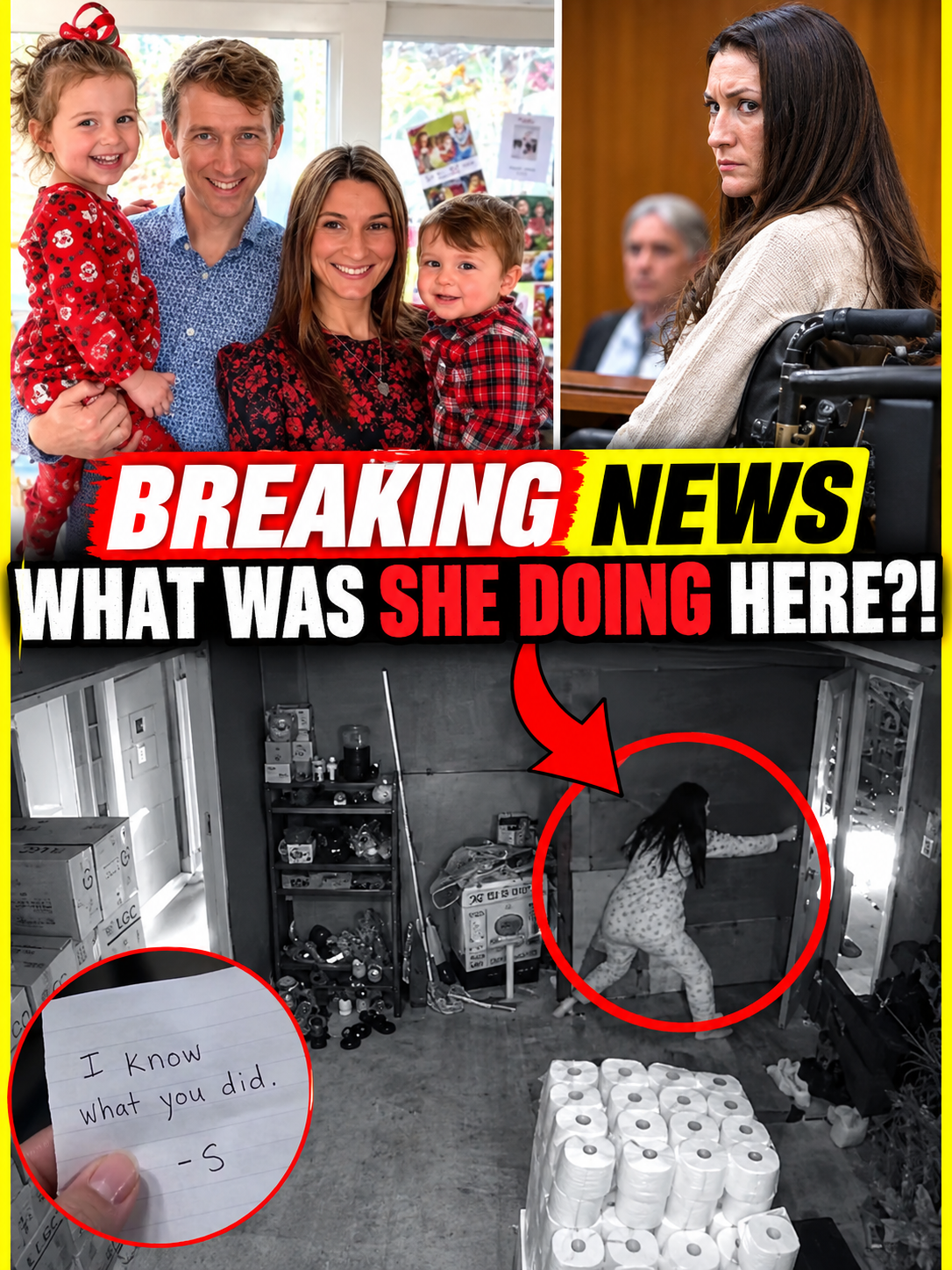
Clancy was charged in connection with the deaths of her three children — 5-year-old Cora, 3-year-old Dawson and 8-month-old Callan — at the family’s Duxbury, Massachusetts, home on January 24, 2023.
Her defense argued that she was suffering from severe postpartum psychiatric illness and was not criminally responsible.
Prosecutors argued that she planned the killings and understood the difference between right and wrong.
Those competing interpretations were presented to the jury through weeks of testimony.
But the jury could not agree.
According to multiple jurors who have spoken publicly since the mistrial, the panel ultimately became divided 11–1, with one juror continuing to support a murder conviction while the others favored a finding that Clancy was not criminally responsible. CBS News reported that jurors described a deeply divided deliberation process.
That deadlock has created fertile ground for online speculation.
And some of the theories now circulating go far beyond what was established in court.
THE INTERNET DOES NOT HAVE THE SAME RULES AS A COURTROOM
A courtroom has rules.
Evidence must be authenticated.
Witnesses can be cross-examined.
Experts can be challenged.
Judges determine what jurors may consider.
And prosecutors have the burden of proving criminal responsibility under the applicable legal standard.
Social media works differently.
A photograph can be enlarged.
A short video can be slowed down.
A person’s expression can be analyzed frame by frame.
A timeline can be reconstructed by strangers.
A detail from testimony can be removed from its surrounding context.
And within hours, a theory can be repeated so many times that it begins to look like an established fact.
That distinction is particularly important in the Clancy case.
THE PATRICK CLANCY THEORIES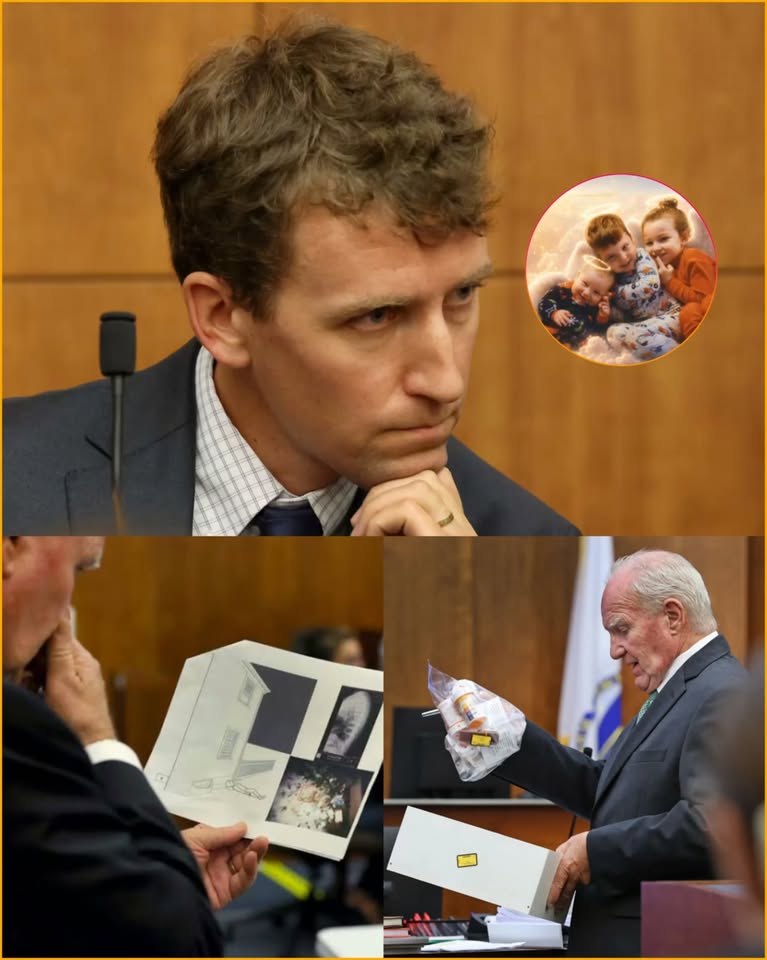
One of the biggest examples involves Lindsay’s former husband, Patrick Clancy.
During and after the trial, social-media users circulated theories questioning his movements, his testimony and various details surrounding the timeline.
Some online posts went so far as to suggest that Patrick himself was responsible for the children’s deaths.
But there is an important difference between an internet theory and evidence presented in court.
Lindsay’s defense did not argue at trial that Patrick killed the children.
Her attorney’s argument centered on Lindsay’s mental state and whether she was criminally responsible.
In fact, after the mistrial, defense attorney Kevin Reddington publicly pushed back against conspiracy allegations directed at Patrick.
That does not mean every question raised online is inherently meaningless.
It means questions must be separated from conclusions.
A discrepancy is not automatically proof of a crime.
A strange-looking photograph is not automatically evidence of deception.
And an unexplained detail is not automatically evidence of a hidden perpetrator.
THE “CHANGED SHOES” THEORY IS A GOOD EXAMPLE
One viral theory focused on claims that Patrick changed his shoes.
The theory generated widespread discussion online, with some social-media users attempting to connect it to other events surrounding the day of the killings.
But the existence of the theory does not establish the underlying allegation.
The claim spread primarily through online discussion rather than through a court finding that Patrick changed shoes for criminal reasons.
This distinction matters because once a theory becomes viral, people can begin discussing it as though it were part of the official case.
It wasn’t.
THEN THERE ARE THE MEDICAL QUESTIONS
The most important disagreement at trial was not about shoes.
It was about Lindsay’s mental state.
The defense argued that Lindsay suffered from postpartum psychosis and other severe psychiatric problems.
Prosecutors argued that she planned the killings and understood her actions.
Those positions were supported by competing expert testimony.
And this is one area where social-media discussions can become particularly misleading.
Someone experiencing psychosis does not necessarily appear visibly disconnected from reality every second of every day.
As defense attorney Reddington recently explained, a person experiencing postpartum psychosis can still communicate, use a phone, drive, make calls and perform ordinary tasks.
That does not prove Lindsay was psychotic.
It does not prove she was legally insane.
It simply illustrates why a short video clip or isolated behavior cannot independently settle the medical question.
THE JURY HAD TO LOOK AT THE WHOLE PICTURE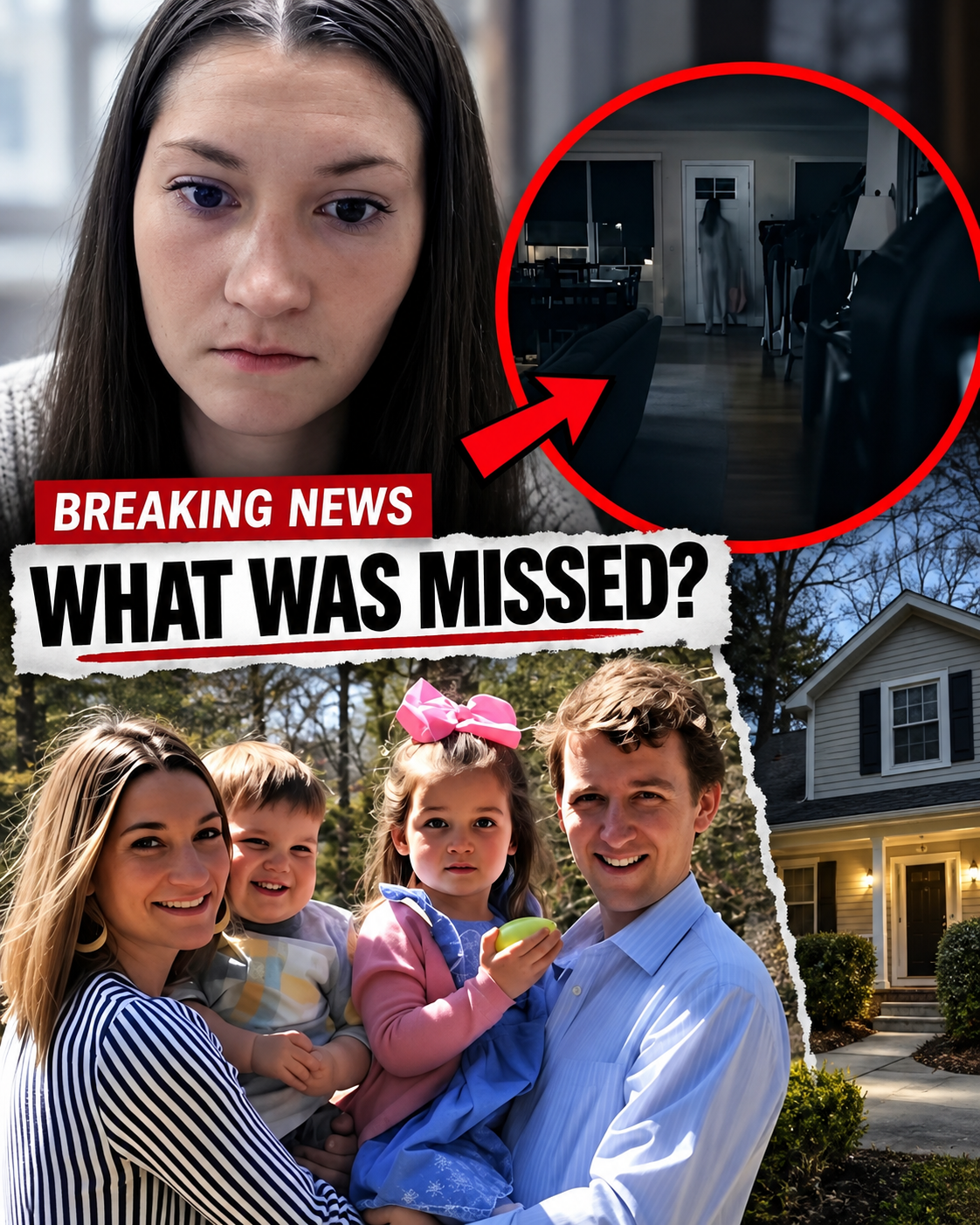
Jurors were not asked to decide whether one photograph looked suspicious.
They were asked to consider weeks of evidence.
Medical records.
Psychiatric testimony.
Family testimony.
Digital evidence.
The timeline.
Patrick’s testimony.
Investigators’ findings.
And Lindsay’s own statements and behavior.
The jury’s disagreement demonstrates just how differently the evidence could be interpreted.
One group saw enough doubt to support a finding of lack of criminal responsibility.
One juror did not.
The result was a mistrial.
THE HOLDOUT JUROR B