13-Year-Old Boy Got His Sister Back to Safety—But He Never Made It Back to Shore
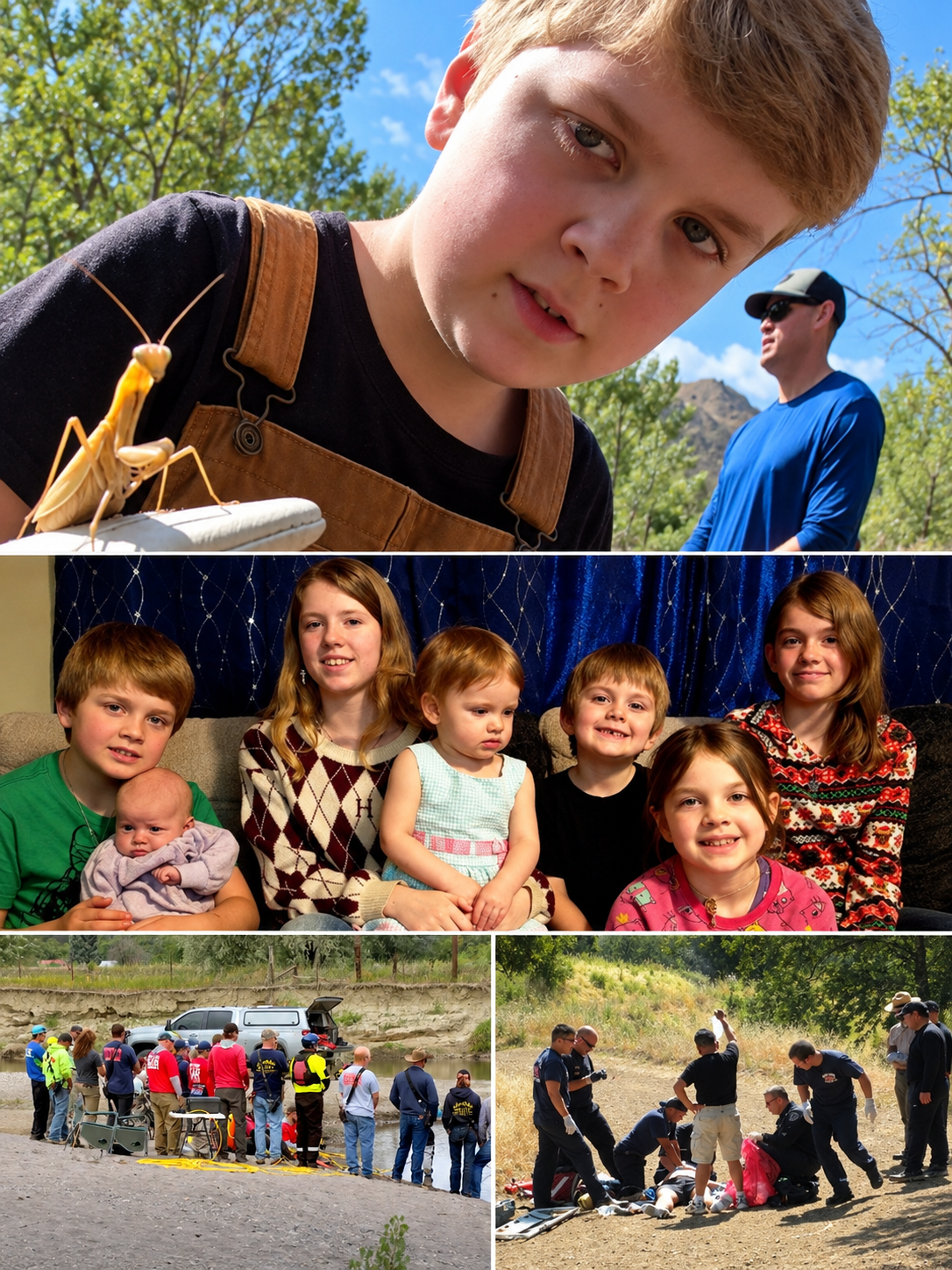
A family outing on a Montana river became the scene of an extraordinary act of courage when 13-year-old Ephraim Dayley helped save his younger sister from the water but was unable to reach safety himself.
Ephraim and his sister were tubing on the Clarks Fork River near Fromberg on Wednesday, September 16, when they suddenly encountered trouble. Authorities said the girl either fell from the tube or was attempting to get off it. Exactly how she entered the water remains unclear, but she soon began struggling.
Seeing that his sister was in danger, Ephraim tried to help her.
He managed to get her into a position where she could escape the river and reach the bank. But while his sister made it to shore, Ephraim disappeared beneath the water.
The brief sequence transformed an ordinary day on the river into an emergency that mobilized multiple law-enforcement and rescue agencies. It also left a Montana family confronting the loss of a boy remembered for the same qualities he showed in those critical moments: courage, kindness and a willingness to help someone else.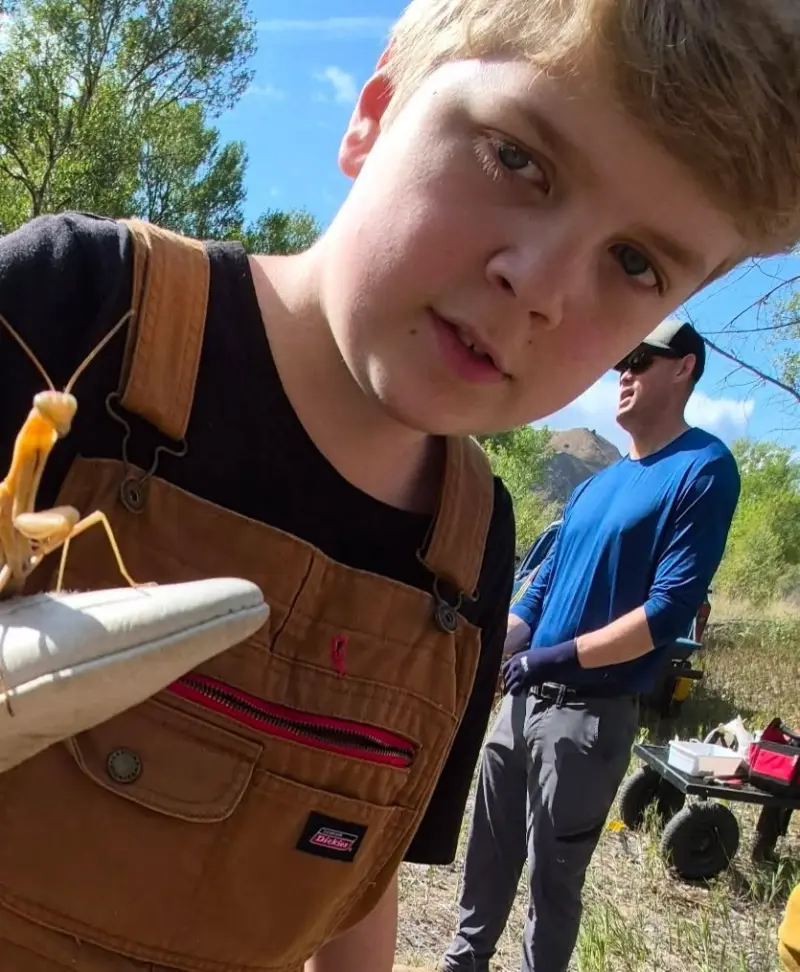
What happened on the river
Authorities have released only a limited account of the incident, leaving some details of Ephraim’s final moments unknown.
According to Carbon County Sheriff Josh McQuillam, Ephraim and his sister were floating on the river when the girl got off the tube and began having difficulty in the water. Officials were not certain whether she had fallen or was intentionally attempting to dismount.
Ephraim moved to help her. He succeeded, enabling his sister to reach safety. She was unable to do the same for him.
Officials have not publicly described how far the siblings were from shore, whether their tube overturned or how quickly the current carried Ephraim away. It is also unclear whether he became exhausted during the rescue or was suddenly pulled beneath the surface.
What authorities have confirmed is that the girl survived because her brother intervened. After she reached the bank, Ephraim did not emerge from the river.
Emergency crews were called, and a large search operation began.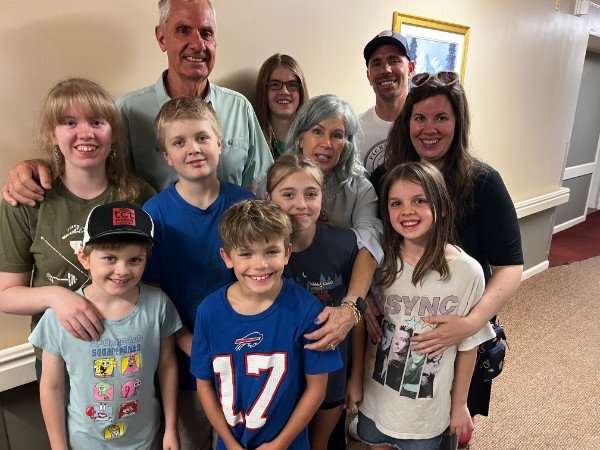
A difficult search in deep water
Rescue personnel focused on a section of the Clarks Fork River believed to be between six and 10 feet deep. Even at that depth, moving water can create extremely difficult conditions for search teams.
River currents can carry a person away from the place where witnesses last saw them. Visibility beneath the surface may be poor, while rocks, tree limbs and uneven terrain can make it dangerous for divers to search.
Teams used multiple resources in the effort to find Ephraim. Search-and-rescue divers entered the river, while an emergency drone and a helicopter from the Yellowstone County Sheriff’s Office provided support from above.
Crews also deployed specialized underwater technology to examine areas that could not be searched effectively from the surface.
The operation continued into the following day. At approximately 2 p.m. on Thursday, September 17, searchers located Ephraim underwater.
He was brought back to shore, where officials pronounced him dead.
The recovery ended the search but began an entirely different kind of ordeal for his parents and siblings. The little girl he had helped was safe, but the brother who acted to protect her was gone.
One of nine siblings
Ephraim was one of nine children, making his absence impossible to separate from the daily rhythm of a large and closely connected family.
Those who knew him described a boy whose personality reached beyond his age. He was remembered as funny, caring and quick to offer help when someone needed it.
A tribute shared after his death recalled that Ephraim could be counted on both to lend a hand and to tell a funny story capable of making others smile. To relatives and friends, his actions on the river were not disconnected from the person he had always been. They reflected the instinct to help that had already become part of his character.
Community members began raising money to support the Dayley family as they faced funeral expenses and the emotional aftermath of the tragedy. Messages accompanying the fundraiser repeatedly described Ephraim as a hero.
For the family, however, he was first a son and brother—a 13-year-old with jokes to tell, memories still to create and a future that should have stretched far beyond one September afternoon.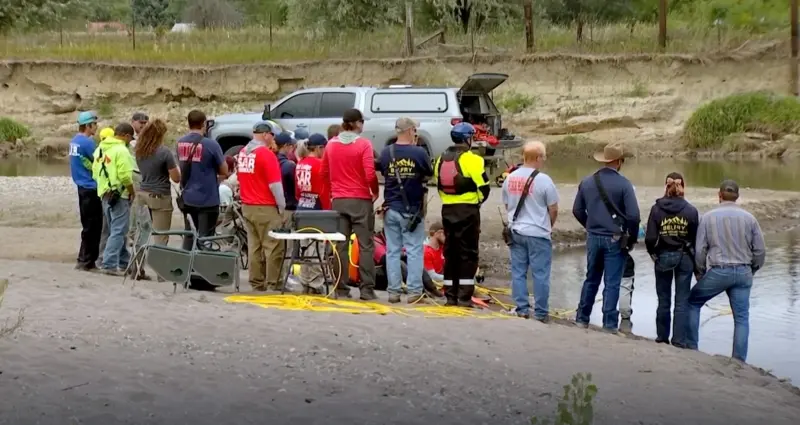
A sister saved by her brother
The emotional center of the tragedy is the outcome Ephraim created for his sister.
When she began struggling, he did not remain at a safe distance or wait for someone else to intervene. He entered the danger and helped her reach safety.
Investigators have not released enough information to reconstruct every movement the siblings made in the water. There is no confirmed account of any final conversation between them, nor do officials know precisely why Ephraim could not follow her back to shore.
It would therefore be wrong to invent details about what he thought or said during those moments.
But the result is clear: His sister survived the emergency he recognized, while he was overcome by the river after helping her.
She will now grow up carrying the knowledge that her older brother acted when she needed him most. That truth may offer comfort one day, but it also brings an unimaginable emotional burden. Her survival and her family’s loss are permanently connected to the same few moments.
The tragedy illustrates why attempted water rescues can become dangerous even for strong or confident swimmers. A frightened person may move unpredictably, and the rescuer can rapidly become exhausted. Currents that appear manageable from shore can be far stronger beneath the surface.
The hidden danger of moving water
Rivers can create hazards that are difficult to recognize until someone is already in trouble.
Unlike a swimming pool, a river has constantly changing depth, temperature and speed. A person who falls from a tube may be disoriented by the current or unable to stand, even when the shoreline appears close.
Cold water can affect breathing and muscle control. Submerged debris can trap clothing or restrict movement. Uneven riverbeds can drop suddenly, transforming shallow water into a channel several feet deep.
When someone begins struggling, the instinct to enter the water is powerful—especially when the person in danger is a child or family member. However, untrained rescuers can also be pulled under. Whenever possible, safety experts recommend reaching with an object, throwing a flotation device and immediately calling emergency services instead of entering moving water without proper equipment.
Those lessons cannot change what happened to Ephraim. They can only help other families understand how quickly a recreational outing can turn into an emergency.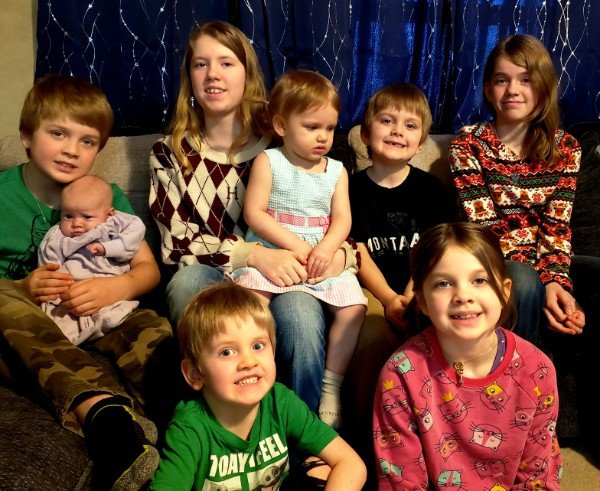
Remembered for the choice he made
Ephraim Dayley’s story is heartbreaking because of everything his family lost, but it is also defined by the person he chose to protect.
At 13, he faced a sudden crisis and responded by helping his sister. His final act ensured that she returned to shore and to the family waiting there.
The rescue operation required divers, aircraft, a drone and advanced underwater equipment. Yet none of those resources could reverse what happened in the river.
In the days ahead, the Dayley family will have to navigate grief while supporting the sister who survived. Their community, meanwhile, is remembering Ephraim not simply as the boy who was lost in the Clarks Fork River, but as a son, brother and friend whose instinct was to help.
The exact details of his final seconds may never be fully known. What is known is the choice he made before he disappeared: His sister was in danger, and Ephraim did everything he could to get her home.