🚨 LINDSAY CLANCY CASE: “I BEGGED HIM TO STOP” — THE DIARIES AND RECORDINGS DRAW NEW ATTENTION
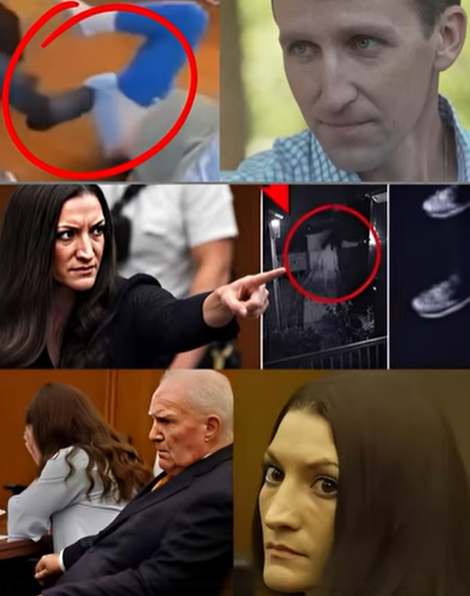
🚨 LINDSAY CLANCY CASE: “I BEGGED HIM TO STOP” — THE DIARIES AND RECORDINGS DRAW NEW ATTENTION
The verdict never came.
After seven days of deliberations, the jury in Lindsay Clancy’s murder trial remained deadlocked.
On September 4, 2026, the judge declared a mistrial.
But now, some of the most closely examined evidence from the trial is receiving renewed attention.
And much of it came from Lindsay Clancy’s own words.
During the trial, jurors heard excerpts from journals and notes recovered from the Clancy home, along with evidence extracted from her cellphone.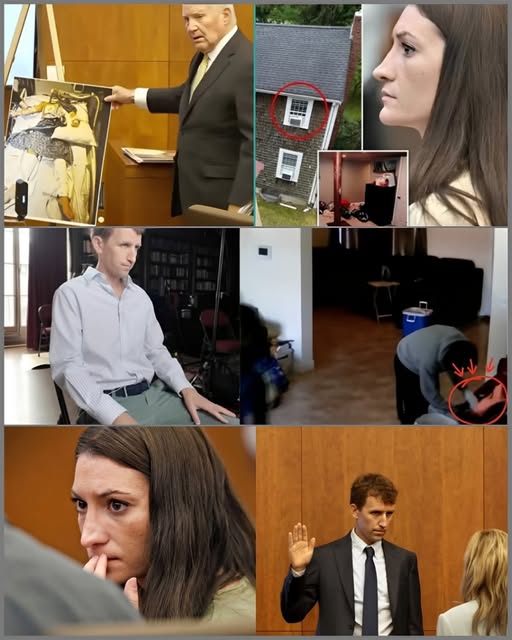
Those writings described a mother struggling with anxiety, depression, exhaustion and what she described as frightening thoughts during the months before January 24, 2023.
One journal entry described feeling overwhelmed by caring for three children and desperate for a mental break.
Other entries showed her repeatedly trying to reassure herself that she could recover and become the mother she wanted to be.
But prosecutors also presented a different side of the digital evidence.
A Massachusetts State Police forensic expert testified that Clancy’s phone contained a search for “can you treat a sociopath” just days before the killings.
The defense questioned the same witness about another search concerning the location of the carotid artery.
The competing interpretations of those searches became part of the larger battle over one central question:
Was Lindsay Clancy criminally responsible for what happened?
The defense argued that she was experiencing severe postpartum psychosis.
Prosecutors argued that she understood her actions and should be held criminally responsible.
The evidence presented to the jury included testimony from her husband, psychiatrists who treated her, first responders, investigators and numerous other witnesses.
And then there was the audio evidence.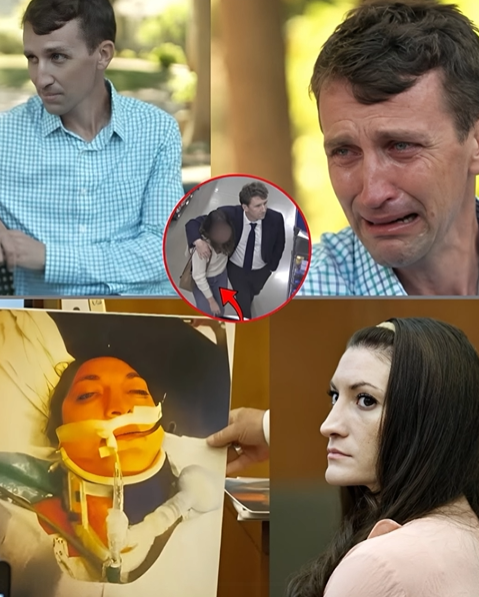
Patrick Clancy’s 911 call and other evidence from the scene were presented to jurors, although the court prohibited media from recording or reproducing the 911 audio and autopsy photographs at the request of the children’s father.
That distinction matters.
There are legitimate pieces of evidence that were presented in court.
There are also countless claims circulating online about supposed “leaked tapes,” hidden recordings and alleged revelations.
Those claims should not be treated as established evidence unless they can be traced back to court records or a reliable source.
That is especially important now.
The jury ultimately could not reach a unanimous verdict on any of the murder counts.
According to jurors who later spoke publicly, 11 jurors believed Lindsay was not criminally responsible, while one juror disagreed. The disagreement resulted in the mistrial.
So the case remains unresolved.
No new verdict has suddenly established what the disputed recordings or diary entries “prove.”
Instead, the evidence is being examined again because there may be another trial.
And that is what makes the next chapter so important.
The journals.
The phone searches.
The medical history.
The recordings.
And the testimony surrounding the final hours of the Clancy family.
All of it could return to the courtroom if prosecutors decide to retry the case.
For now, one question remains unanswered:
If Lindsay Cl