Patrick Clancy Opens Up About the Question He Asked Lindsay After Their Children’s Deaths
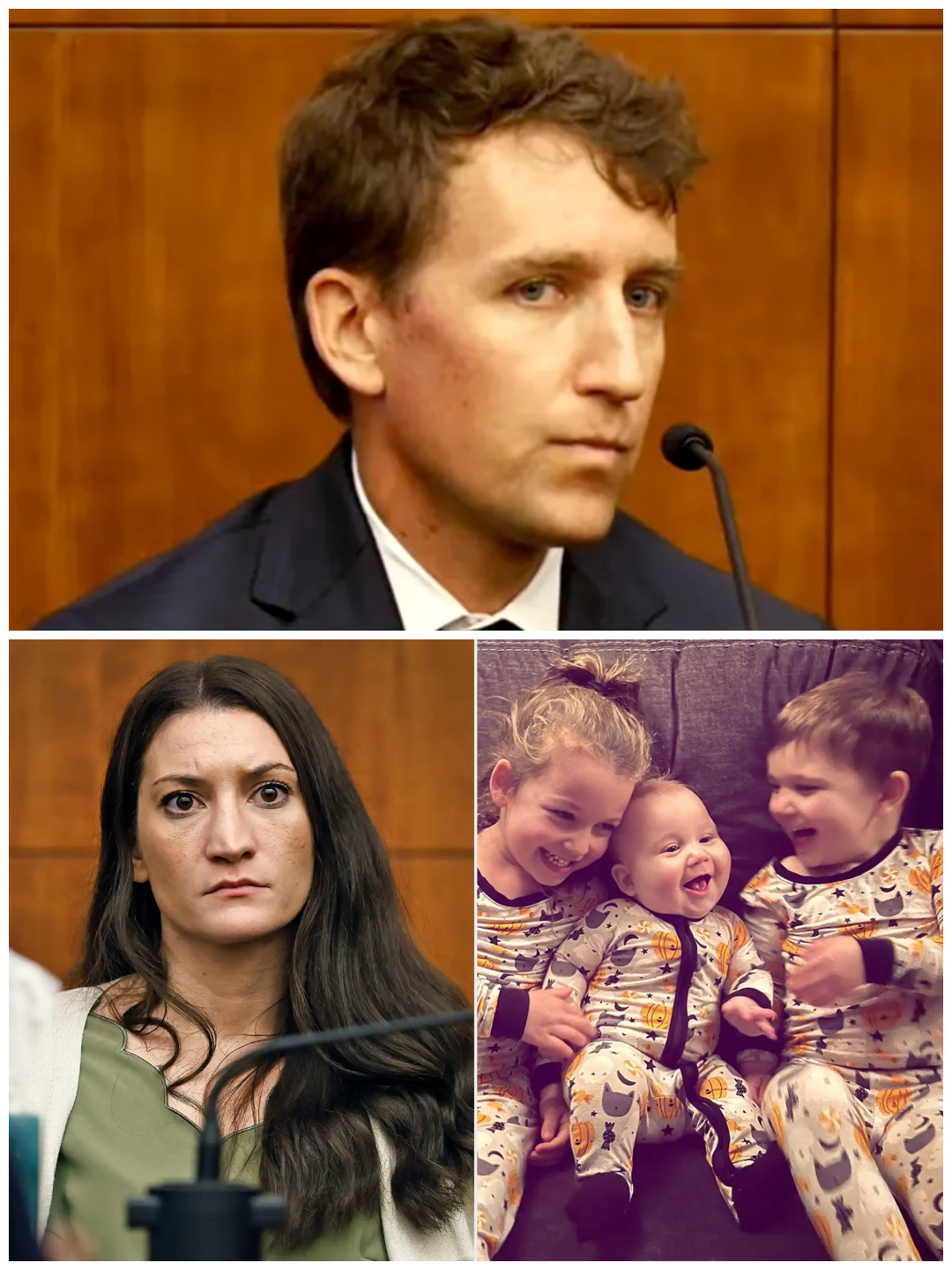
More than three years after the deaths of his three young children, Patrick Clancy is speaking publicly about one of the most difficult conversations he ever had with their mother, Lindsay Clancy.
The exchange centered on a question that has lingered over the case since January 2023: what did Lindsay remember about the night Cora, Dawson and Callan died?
Patrick said he eventually asked her directly.
Her answer, he recalled, was that the events felt almost unreal — something she remembered in fragments, similar to the fading memories of a dream after waking.
The conversation was among several deeply personal moments Patrick discussed during a television interview that aired on September 20, his first major public comments since Lindsay’s closely watched criminal trial ended without a verdict.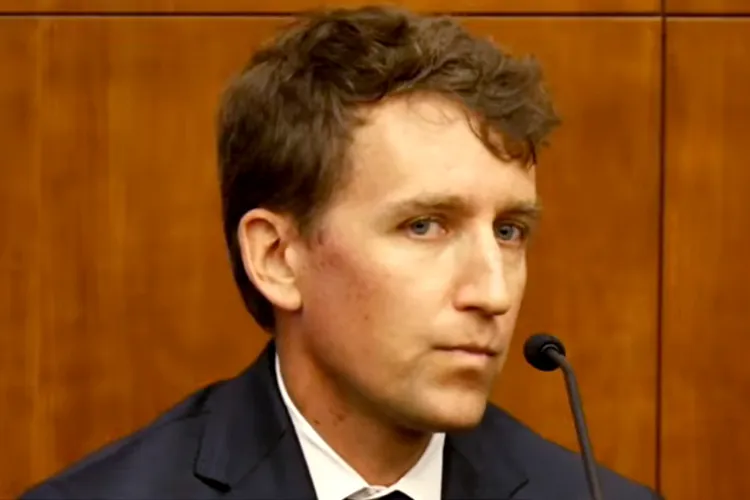
Three Children at the Center of the Case
Patrick and Lindsay were the parents of Cora, 5, Dawson, 3, and Callan, who was just 8 months old.
Their lives changed catastrophically on January 24, 2023.
Patrick later testified that he returned to the family’s Massachusetts home and discovered that the three children had been killed. Lindsay had also jumped from a second-story window in an apparent attempt to end her own life.
Patrick’s memories of that day became an important part of Lindsay’s five-week trial in Plymouth, Massachusetts.
One detail was especially significant.
Patrick told the court that Lindsay had appeared happy before he left the house that day. He described it as seemingly one of her better days, an observation that became part of the sharply conflicting interpretations of her mental condition and state of mind.
The defense never disputed that Lindsay caused the deaths of the children. Instead, the central legal question was whether she was criminally responsible for what happened.
Her attorneys argued that she was experiencing postpartum psychosis. They maintained that psychiatric medications prescribed while she sought help for depression following Callan’s birth worsened her condition.
Prosecutors presented a different account.
They argued that Lindsay acted deliberately and understood the difference between right and wrong. As part of their case, they emphasized that Patrick had been sent out on errands before the children were killed.
Patrick Asked What She Could Remember
Against that legal battle was a far more personal question for Patrick.
What did Lindsay herself remember?
During his September interview, Patrick revealed that he had asked her about the killings.
According to Patrick, Lindsay told him the experience seemed like a dream. Her memories, he said, were comparable to the fragments someone might retain after waking from a dream rather than a fully clear recollection of events.
The answer did not resolve the larger questions surrounding the case.
Instead, it reflected the very issue that divided attorneys and eventually jurors: Lindsay’s mental state at the time of the children’s deaths.
The defense portrayed the tragedy as the result of severe psychiatric illness. Prosecutors maintained that she remained capable of understanding her actions.
Ultimately, the jury could not unanimously decide whether she should be held criminally responsible.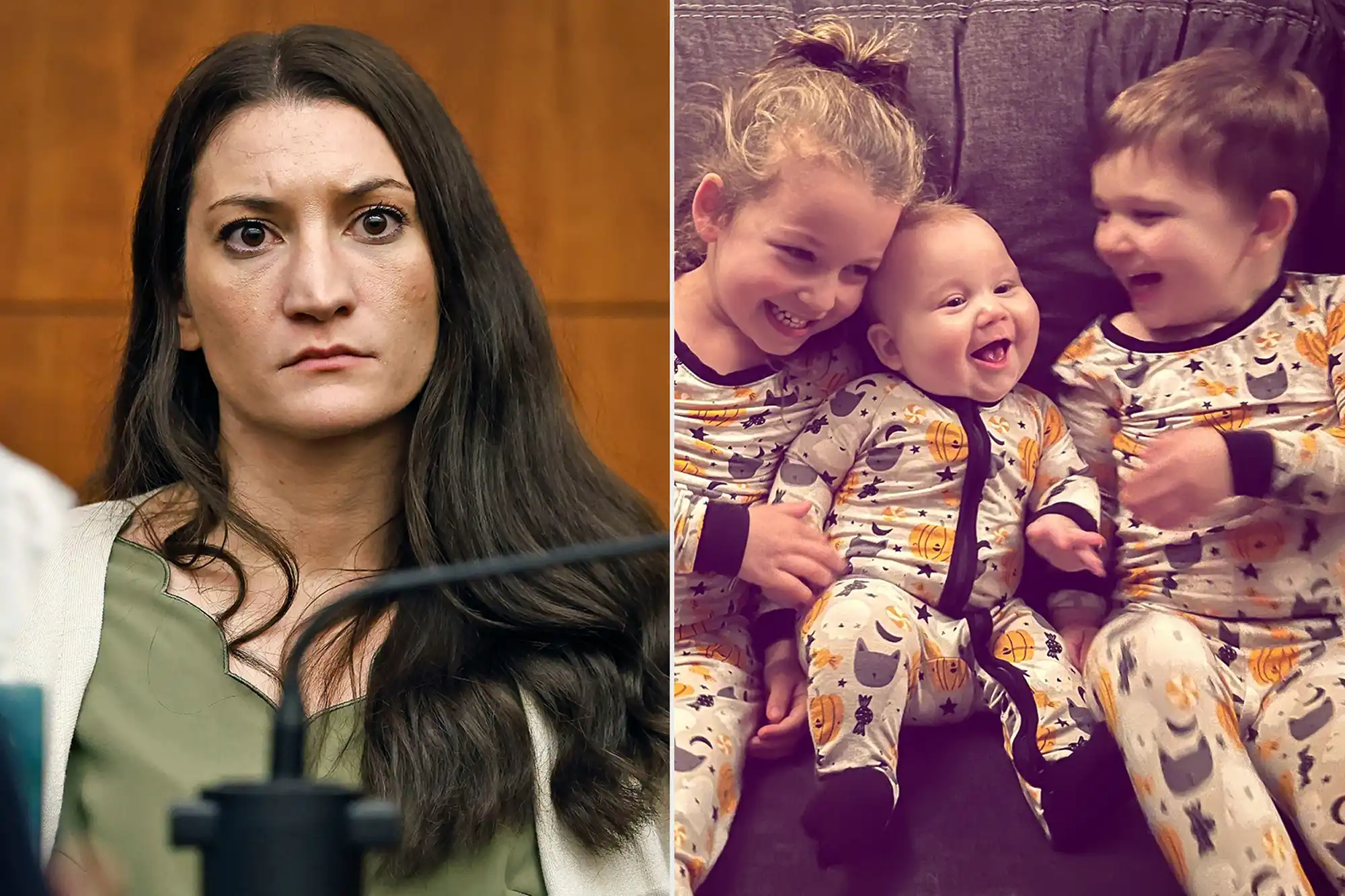
A Trial Ends Without a Verdict
Lindsay’s trial ended in a mistrial on September 4, 2026, after jurors were unable to reach a unanimous verdict.
That meant the proceedings concluded without a definitive resolution of the central criminal question.
Patrick had spent part of those five weeks reliving events that had transformed his life, this time from the witness stand.
His September interview was the first time he publicly addressed his life since the mistrial.
Asked whether he believed he had failed in some way, Patrick did not pretend he was untouched by that question.
He said he believes he did the best he could with the information and circumstances he had at the time. The outcome, however, remains something he lives with every day.
It was a response that captured the impossible position he continues to occupy: grieving three children while looking back at decisions made before he could have known what was coming.
The Question of Forgiveness
Another moment in the interview moved away from legal responsibility and toward something far more personal.
Patrick was asked whether Lindsay had ever asked him to forgive her.
His answer was simple.
She had not.
But Patrick said he had forgiven her anyway.
That choice has become one of the most striking elements of Patrick’s response to the tragedy.
Forgiveness, however, does not erase what happened, nor does it determine the legal questions still facing Lindsay. It represents Patrick’s own way of carrying circumstances that have followed him since the deaths of Cora, Dawson and Callan.
His comments also underline the complicated separation between personal forgiveness and criminal responsibility.
Patrick can make one decision for himself. A court must answer another question entirely.
The Case Remains Unresolved
The mistrial did not bring the criminal proceedings to a permanent conclusion.
Prosecutors had not announced whether Lindsay would face another trial following the September 4 mistrial. She remained at a state psychiatric hospital and on suicide watch after the proceedings.
That leaves the case in an uncertain position.
For years, its central debate has remained essentially unchanged: whether Lindsay’s actions should be understood through the legal framework of criminal responsibility or through the severe psychiatric condition described by her defense.
A jury was unable to reach a unanimous answer.
For Patrick, however, the consequences are not theoretical or confined to a courtroom.
They are the names and memories of three children — Cora, Dawson and Callan.
And as he begins speaking more openly about the years since their deaths, his account reveals how some of the most difficult questions surrounding the tragedy may never have simple answers.
He asked Lindsay what she remembered. She described something dreamlike and fragmented.
He was asked whether she had sought forgiveness. She had not.
He chose to give it anyway.
Yet even after a five-week trial and years of public scrutiny, the legal story remains unfinished — while Patrick continues living with an outcome he says is with him every single day.