Ed Sheeran Reveals He Scrapped Philadelphia B-Stage Over Fears Fans Might Throw Objects During Tense Concert

Ed Sheeran has revealed that concerns about his safety led him to make a significant last-minute change to his Philadelphia concert, removing a secondary stage that would have placed him in the middle of the audience.
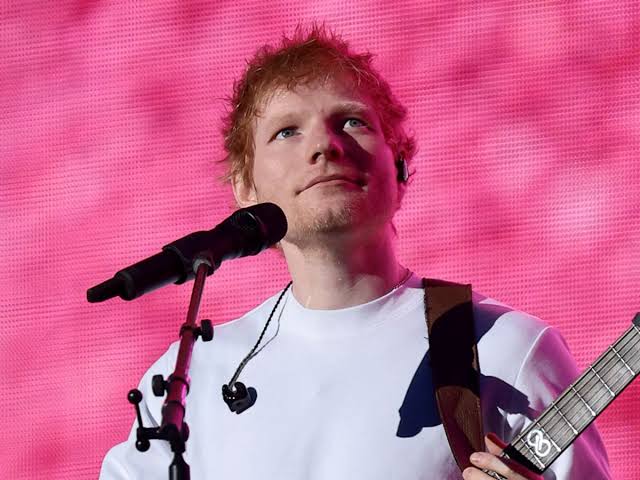
The 35-year-old singer addressed the decision during his September 19 performance at Lincoln Financial Field, admitting he was uncertain how the crowd would react following one of the most turbulent weeks of his current tour.
Sheeran said the original production included a B-stage — a smaller performance platform positioned away from the main stage and surrounded by concertgoers.
But before the Philadelphia show, he decided not to use it.
His reason was unusually candid.
“I didn’t know what this audience would be like,” Sheeran told the crowd, adding that he worried objects could be thrown at him if he stood in the middle of the stadium.
He acknowledged that fear had influenced the decision.
Despite those concerns, the concert ultimately proceeded without a major security incident.
A Concert Surrounded by Unusual Tension
The Philadelphia performance came after days of controversy surrounding Sheeran’s U.S. tour.
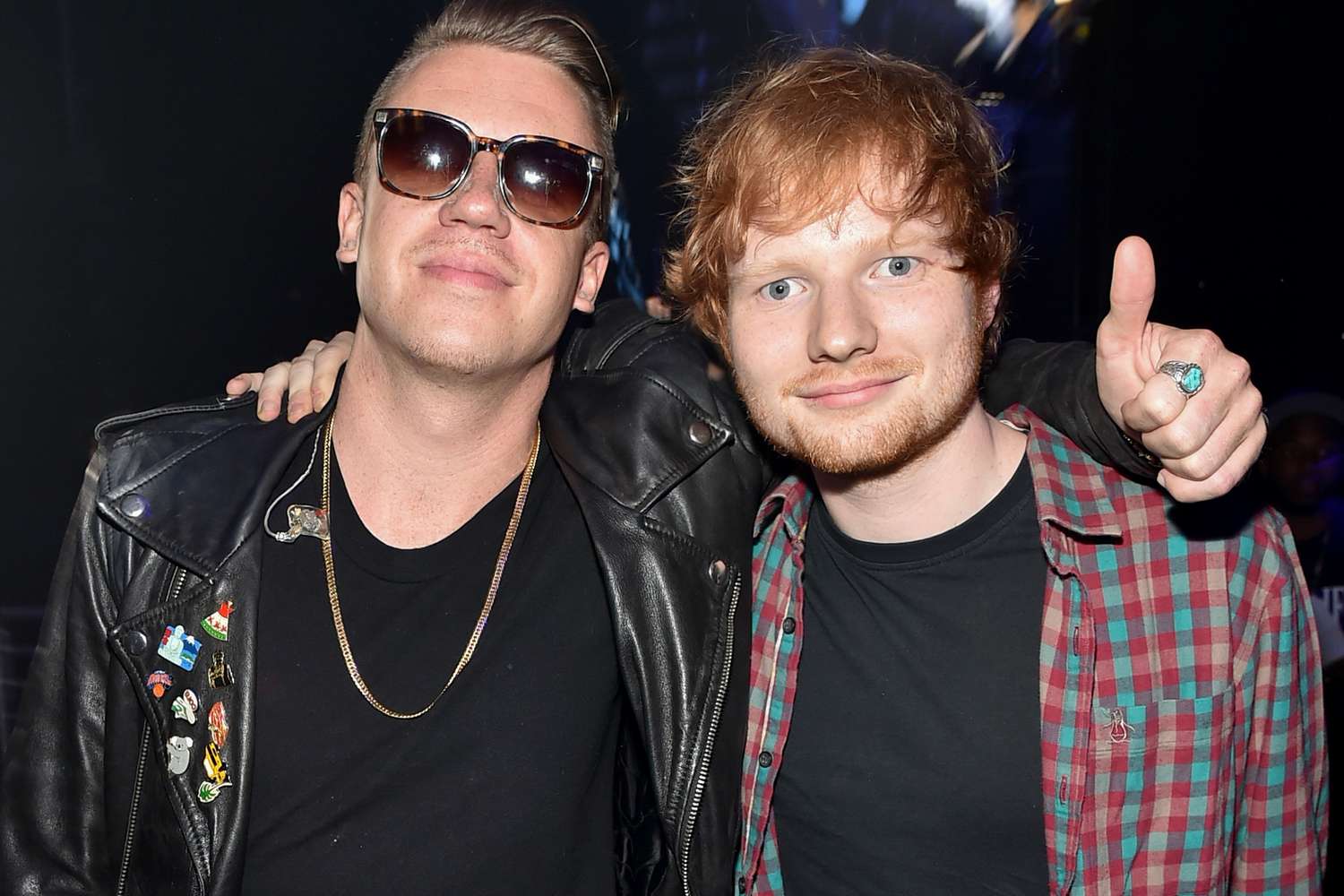
Supporting artist Macklemore had been removed from upcoming dates following political comments he made during an earlier performance, including statements supporting Palestinians. The tour promoter said venue objections had played a role in his removal, while Sheeran publicly maintained that he did not personally make the decision to drop Macklemore. Several other supporting performers subsequently withdrew from the tour.
The dispute generated boycott calls, criticism from some musicians and activists, and heightened attention around Sheeran’s next scheduled performance.
By the time fans arrived at Lincoln Financial Field on Saturday, demonstrators had gathered outside the venue.
Protesters carrying Palestinian flags chanted near concertgoers entering the stadium, while police and venue officials had already been preparing for a potentially tense evening.
Philadelphia police had said ahead of the performance that appropriate security measures would be put in place.
For Sheeran, however, the uncertainty apparently went beyond what could be managed by additional officers around the stadium.
It affected the show itself.
Why the B-Stage Created a Different Risk
Large stadium tours frequently use secondary stages to bring performers closer to fans seated far from the main production.
For Sheeran, that arrangement would have meant leaving the relative security of the primary stage and performing from a platform surrounded on multiple sides by members of the audience.
Under normal circumstances, such a setup can create one of the most intimate moments of a stadium concert.
In Philadelphia, Sheeran decided the risk was not worth it.
He openly told the audience that he did not know whether someone might throw something at him.
“I was afraid of what might happen if I stood in the middle,” he said.
Rather than conceal the production change behind technical explanations, Sheeran acknowledged directly that fear had motivated it.
That admission gave fans a revealing glimpse into how dramatically the atmosphere around the tour had shifted.
Only days earlier, the B-stage would have been another piece of concert production.
By Saturday, it had become a security calculation.
Sheeran Also Addressed the Controversy From the Main Stage
The altered stage setup was not the only unusual part of the Philadelphia show.
Sheeran began the performance by directly addressing the controversy surrounding the tour.
He told fans he had made mistakes and apologized for disappointing people.
He also described the humanitarian situation in Gaza as “catastrophic and unjustifiable,” referring specifically to the scale of civilian suffering and deaths of children. At the same time, he said he had never wanted to become an activist musician and wanted his concerts to remain places centered on music, humanity and people with differing opinions.
Sheeran said the dispute had placed him in the middle of a broader argument about freedom of speech and one of the world’s most contentious political conflicts.
His comments marked a notable change from his historically cautious approach to political issues.
Earlier in the week, he had said that having personal views did not necessarily mean he wanted his concerts to become political forums.
Several Supporting Acts Had Already Left
The Philadelphia concert was also unusual because Sheeran had lost multiple supporting acts in the days leading up to the show.
After Macklemore’s removal, artists including Finneas, Lukas Graham, Aaron Rowe and Beoga withdrew from scheduled appearances amid disagreement over how the situation had been handled.
The departures created uncertainty about how Sheeran would restructure upcoming concerts.
He ultimately went ahead with Philadelphia rather than canceling.
Reports from the show indicate that many fans responded warmly to him despite the controversy, while protesters outside continued criticizing decisions surrounding the tour.
The mixed reaction highlighted the difficult environment Sheeran was walking into — something his decision to remove the B-stage suggests he understood before stepping in front of the audience.
Police Prepared for Possible Problems
Security around Lincoln Financial Field had been discussed for several days before the concert.
Sheeran’s team had communicated with local authorities as plans were made to handle the expected crowds and demonstrations.
Officials did not publicly detail all of the security measures.
However, police confirmed that they were coordinating around the event, while demonstrators announced plans to gather outside the stadium.
The additional preparations reflected concern not necessarily about a specific credible threat against Sheeran, but about the unusually charged atmosphere surrounding the show.
There has been no public indication that authorities had identified a person planning to attack him.
Similarly, Sheeran did not say that someone had explicitly threatened to throw an object at him.
His decision appears to have been precautionary.
Nothing Was Thrown, and the Show Continued
Ultimately, the fears that led Sheeran to remove the secondary stage did not materialize into a major incident.
The singer completed the performance.
There were no widely reported episodes of fans attacking him or throwing dangerous objects during the concert.
And the demonstrations outside remained separate from the performance inside the stadium.
That made Sheeran’s onstage confession perhaps even more revealing.
Fans saw a finished show.
Behind it had been days of uncertainty, security planning and a significant production change motivated by the performer’s concern about how the audience might respond.
An Unusually Vulnerable Admission
Artists frequently make changes to concerts for logistical, technical or security reasons without explaining them publicly.
Sheeran chose a different approach.
Standing on the main stage in Philadelphia, he acknowledged that he had been afraid.
The statement reflected how personally he appeared to be feeling the fallout surrounding the tour.
His emotional comments elsewhere in the show also suggested the previous week had taken a toll.
He apologized to fans and acknowledged the difficult position he believed he had found himself in while still defending the idea that his concerts should welcome people with different views.
The altered B-stage provided a physical illustration of that tension.
A platform originally designed to bring Sheeran closer to his audience was removed because, for one night, being surrounded by that audience no longer felt entirely safe.
Tour Moves Forward After Philadelphia
The Philadelphia concert eventually became an important test for whether Sheeran could continue the tour amid the backlash.
He passed through the night without the serious security incident he had feared.
But the controversy surrounding the tour has not disappeared, and additional demonstrations have been discussed around subsequent dates.
For the audience inside Lincoln Financial Field, however, one of the clearest signs of everything happening outside the music was something that was not there at all.
The B-stage had disappeared.
Only when Sheeran explained why did fans learn that its absence was not a simple production decision.
It was the result of a performer looking at an unusually unpredictable night, imagining what could happen if he walked into the middle of the crowd — and deciding not to take that chance.