🚨 JEFFERY LEE EXECUTED AFTER A LAST-MINUTE BATTLE OVER ALABAMA’S EXECUTION METHOD
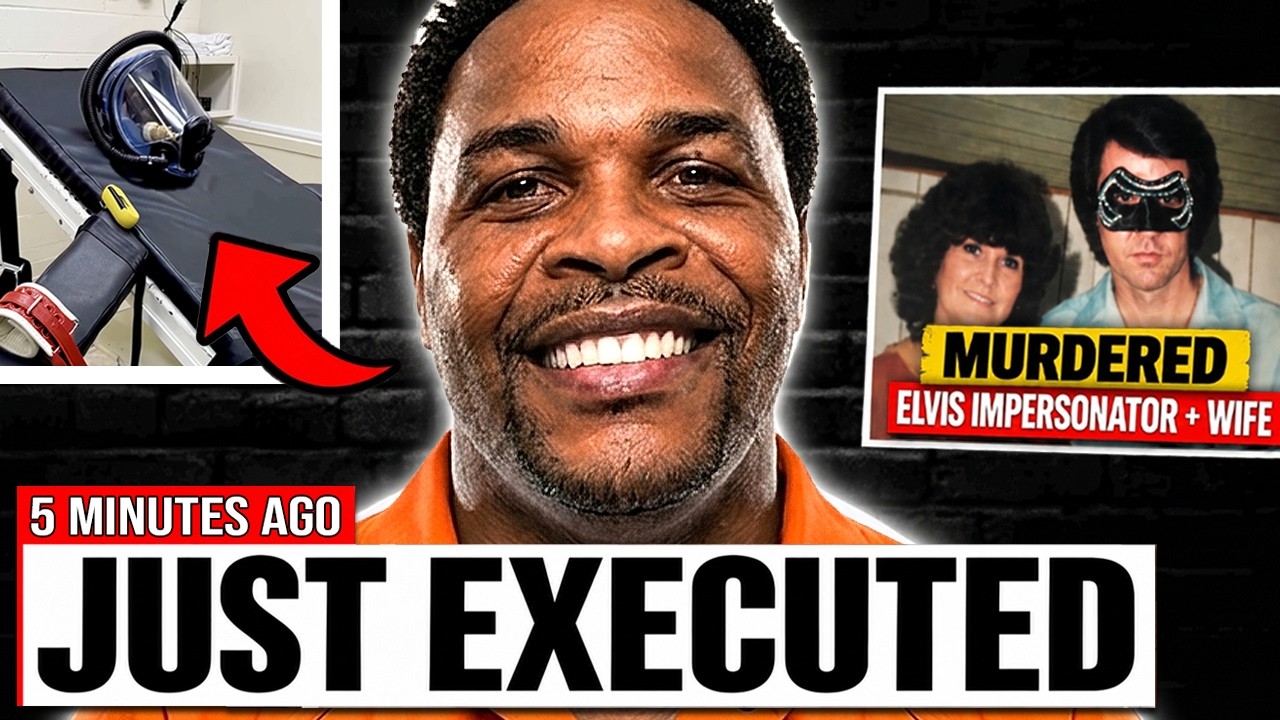
🚨 JEFFERY LEE EXECUTED AFTER A LAST-MINUTE BATTLE OVER ALABAMA’S EXECUTION METHOD
After nearly three decades on death row, Jeffery Lee’s case reached its final chapter Thursday evening — but not in the way Alabama originally planned.
Lee, 49, was pronounced dead at 6:22 p.m. on September 17, 2026, at William C. Holman Correctional Facility in Atmore, Alabama, after the state carried out his execution by lethal injection.
The execution came nearly three months after Alabama had been forced to abandon its original plan to execute Lee using nitrogen gas.
Lee had been scheduled to die by nitrogen hypoxia on June 11. But a federal judge blocked Alabama from using that method in his case after finding a constitutional risk of severe suffering. The state subsequently pursued a new execution date using lethal injection.
That change triggered another legal fight.
Lee’s attorneys argued that Alabama should not be allowed to switch methods because Lee had previously agreed to dismiss a challenge to lethal injection after the state agreed that, if he were executed, nitrogen hypoxia would be used.
The U.S. Supreme Court ultimately declined to stop Thursday’s execution.
Lee’s death sentence stemmed from the December 12, 1998 robbery at Jimmy’s Pawn Shop in Orrville, a small Alabama town.
During the robbery, store owner Jimmy Ellis and employee Elaine Thompson were fatally shot. Another employee, Helen King, was wounded and survived by pretending to be dead until Lee left the store.
Lee was later arrested in Georgia and signed a confession, according to Alabama officials. He was convicted and sentenced to death.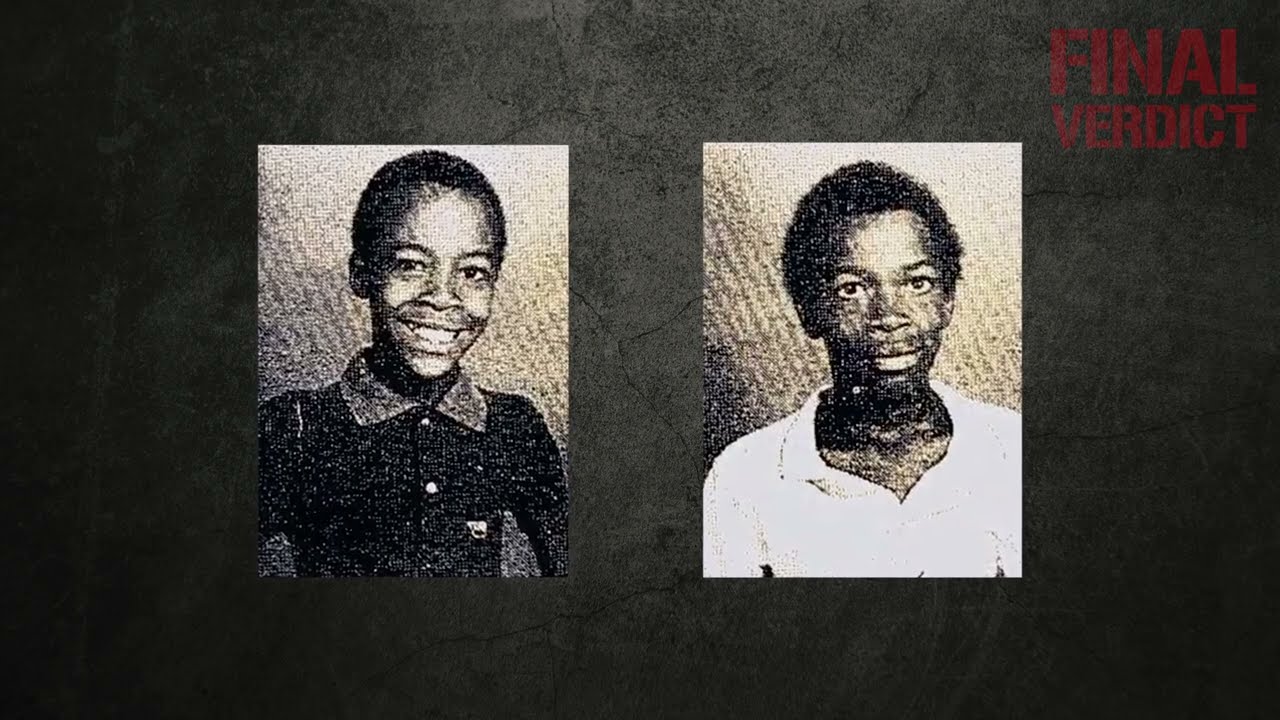
But one of the most controversial parts of the case remained his sentencing.
His jury voted 7–5 to recommend life imprisonment without parole. Under Alabama law at the time, however, the trial judge could override that recommendation and impose a death sentence.
Alabama abolished judicial override in 2017, but the change was not retroactive to Lee’s case.
As the execution began Thursday, Lee delivered a short final statement.
“All is well. I just want to say to my family, I love them. To my brothers on life row, I love them.”
His spiritual adviser remained with him during the procedure and appeared to pray as the lethal injection was administered.
For Lee, the legal challenges had stretched across decades.
For the families of Jimmy Ellis and Elaine Thompson, Thursday marked the end of a case that began with a robbery at a small-town pawn shop in 1998.
And for Alabama, Lee’s execution became another chapter in the state’s evolving debate over how the death penalty should be carried out — and how far a state can go when an execution method is challenged in court.