3,903 MESSAGES AFTER HIS CONVICTION — THEN THE PRISON CALLS REVEALED HOW FAR WADE WILSON’S FANS WOULD GO

3,903 MESSAGES AFTER HIS CONVICTION — THEN THE PRISON CALLS REVEALED HOW FAR WADE WILSON’S FANS WOULD GO
Wade Wilson was convicted of two murders. Within weeks, thousands of messages were waiting for him behind bars.
The man known as the “Deadpool Killer” became the focus of an extraordinary online following after his June 2024 conviction for killing Kristine Melton and Diane Ruiz.
According to the Lee County Sheriff’s Office, Wilson received 3,903 messages between June 12 and July 12, 2024, along with 65 letters and 754 photographs. Of those photographs, 163 were rejected because officials considered them inappropriate.
But the numbers only tell part of the story.
Some of the women contacting Wilson did not simply express sympathy or curiosity. They described romantic futures with a man who was already facing a death sentence.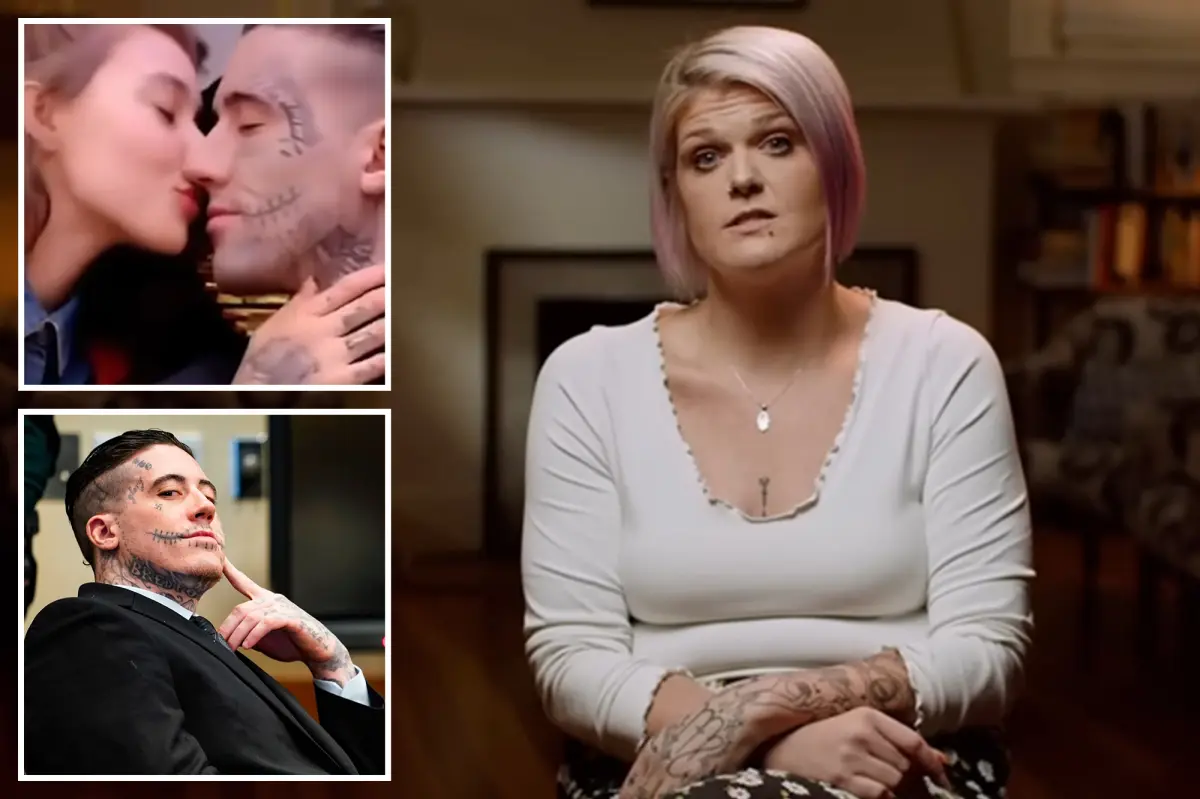
Prison video calls obtained for the documentary Handsome Devil: Charming Killer showed just how personal some of those interactions became.
According to Fox News reporting on the documentary, one woman talked about wanting Wilson to father her child. Another admirer, Alexis Williams, appeared in recorded calls in which she and Wilson discussed an intimate relationship.
The fascination was not hidden from the public.
Wilson’s heavily tattooed appearance had already turned him into a viral figure on social media. His courtroom appearances attracted attention, and a group of female supporters became known online as “Wade’s Wives.”
Then came the prison correspondence.
Letters.
Photographs.
Video calls.
Money.
Some supporters reportedly went as far as buying clothing for Wilson to wear in court. One woman even purchased makeup in an attempt to cover his facial tattoos.
The documentary’s producers said the calls showed another side of the relationship.
Brian Ross, co-director and producer of Handsome Devil: Charming Killer, said some women told filmmakers that Wilson made them laugh and told them he loved them.
At the same time, Ross said Wilson repeatedly asked women for money. He also said a supporter-created fundraiser brought in roughly $100,000, while Wilson used some money available to him for items including food and snacks.
That contrast became one of the most striking elements of the story.
Some admirers were talking about love, marriage or having children.
Wilson was still behind bars.
And he had been convicted of killing two women.
The documentary’s producers consulted criminologists about why people might become attracted to violent offenders. One explanation they discussed was that some people may perceive a relationship with an incarcerated person as safer because the person is physically unable to harm them. That is an expert interpretation presented in the documentary, not an explanation that necessarily applies to every Wilson supporter.
There is also an important distinction between fascination and understanding.
The existence of thousands of messages does not tell us what every person who contacted Wilson believed.
Some may have been supporters.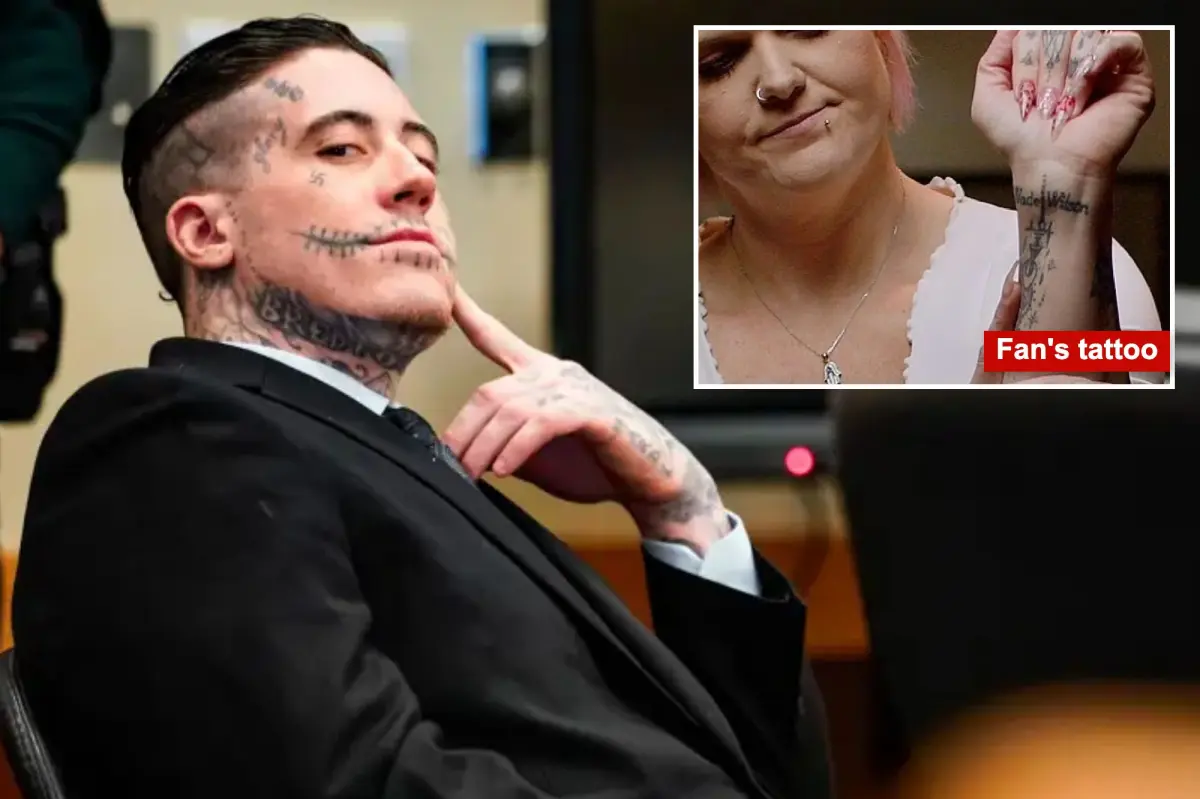
Some may have been curious.
Some may have been seeking a relationship.
And some correspondence was rejected by jail officials.
What the records do establish is the scale of the attention.
Nearly four thousand messages arrived in roughly one month.
Hundreds of photographs followed.
And some of the recorded conversations became intimate enough to include discussions about sex and children.
Meanwhile, the families of Kristine Melton and Diane Ruiz were dealing with the permanent consequences of their deaths.
Wilson was convicted in June 2024 and sentenced to death two months later.
That is what makes the prison footage so unsettling.
It does not show a celebrity surrounded by ordinary fans.
It shows a convicted murderer receiving declarations of affection from strangers who knew he was incarcerated for killing two women.
And in some of those calls, admiration reportedly crossed into something far more personal.
The question left behind is not simply why Wade Wilson attracted attention.
It is how, after two murders and a death sentence, thousands of people still found a reason to reach through the prison walls — and some wanted far more than a conversation.