NEW QUESTIONS EMERGE IN THE LUCY LETBY CASE AS CCRC REVIEW CONTINUES
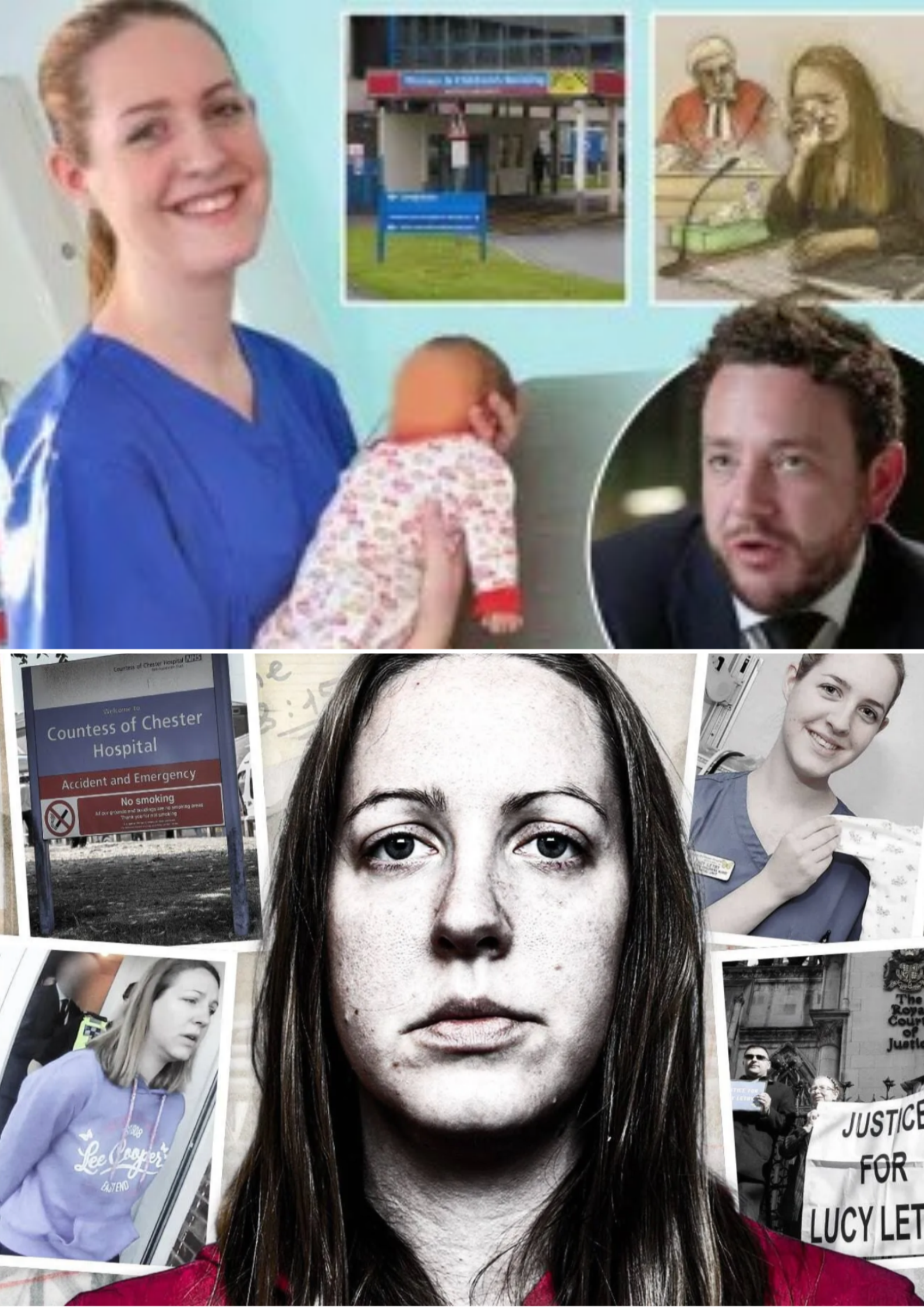
NEW QUESTIONS EMERGE IN THE LUCY LETBY CASE AS CCRC REVIEW CONTINUES
LONDON, UK — New attention is being drawn to the medical and scientific evidence surrounding the convictions of former neonatal nurse Lucy Letby, as her case remains under review by the Criminal Cases Review Commission (CCRC).
Letby remains convicted of murdering seven babies and attempting to murder seven others at the Countess of Chester Hospital between 2015 and 2016. She is serving 15 whole-life sentences and has consistently maintained her innocence.
The latest developments come shortly after the publication of the Thirlwall Inquiry report, which found serious failures in hospital management, governance and safeguarding. However, the inquiry was explicitly not established to reconsider Letby’s convictions or determine her guilt or innocence.
 CCRC continues examining the convictions
The CCRC confirmed in February 2026 that it was actively reviewing Letby’s convictions.
The commission received a preliminary application in February 2025, followed by expert reports, legal submissions and additional defence material over the following year.
The CCRC said its role is not to decide whether Letby is innocent or guilty. Instead, it examines whether there is new evidence or a new legal argument that creates a real possibility that a conviction would not be upheld by an appeal court.
No decision to refer Letby’s case back to the Court of Appeal has been announced by the CCRC.
Scientific evidence remains a major focus
One of the areas attracting renewed attention involves the medical evidence used during Letby’s trials.
Two experts who had been assisting Letby’s defence — chemical engineering expert Helen Shannon and bioengineering professor Geoff Chase — withdrew from the defence team in September 2026.
The pair had previously produced a lengthy report questioning the evidence surrounding two convictions involving allegations that insulin had been administered to babies.
They continue to stand by their assessment that it was very unlikely that the two babies had been poisoned with insulin.
However, they said they could not support other arguments being advanced by Letby’s defence because, in their view, some of those arguments were inconsistent with available scientific evidence and established physiology.
Letby’s barrister Mark McDonald disputed the suggestion that the experts’ withdrawal undermined the wider case, saying the CCRC had received evidence from other experts supporting Letby’s position.
 What did the Thirlwall Inquiry find?
The Thirlwall Inquiry published its final report on 15 September 2026 after examining events at the Countess of Chester Hospital.
Lady Justice Kathryn Thirlwall found what she described as dysfunctional management and governance, a significant divide between hospital leadership and clinicians, and failures to understand fundamental safeguarding responsibilities.
The inquiry also found that concerns about the babies’ unexplained collapses and deaths were not handled appropriately and that safeguarding procedures were not invoked when concerns emerged that Letby might be deliberately harming babies.
The report examined the actions of hospital leaders, doctors, nurses, managers and regulators and made recommendations aimed at preventing similar failures in the future.
But the inquiry did not review Letby’s convictions
An important distinction is that the Thirlwall Inquiry did not function as an appeal hearing.
Lady Justice Thirlwall explicitly stated that the inquiry was not an investigation into Letby’s criminal convictions or her guilt.
The inquiry recorded the jury’s verdicts but focused on what happened within the hospital, how concerns were handled and what could be learned to improve patient safety.
She also said it was not for the inquiry to interfere with the CCRC’s ongoing review of Letby’s case.
This means that the inquiry’s findings about hospital failures do not themselves overturn or invalidate Letby’s convictions.
Appeals have previously been rejected
Letby has previously sought permission to appeal against her convictions, but the Court of Appeal rejected her applications.
Her legal team is now pursuing the separate CCRC process, which could potentially result in a referral back to the Court of Appeal if the commission concludes that the legal threshold has been met.
The CCRC has not indicated when its review will be completed.
Further charges were also ruled out
Another recent development came in August 2026, when the Crown Prosecution Service confirmed that a review of decisions concerning six additional infants would not result in further charges against Letby.
The CPS said it had reconsidered six alleged attempted-murder offences under its Victims’ Right to Review process and upheld the earlier decision not to bring additional charges.
That decision is separate from the CCRC’s review of the convictions for which Letby is already serving her sentence.
What happens next?
For now, Lucy Letby’s convictions remain in place.
The CCRC continues to examine the material submitted on her behalf, including expert evidence and legal arguments.
At the same time, the Thirlwall Inquiry has produced a separate set of findings about how the Countess of Chester Hospital responded to warning signs surrounding the deaths and collapses of babies.
The two processes therefore address different questions.
The inquiry examined what happened inside the hospital and how the NHS responded.
The CCRC is examining whether there is a basis for referring Letby’s convictions back to the Court of Appeal.
Until the CCRC reaches a decision and, if applicable, the courts consider any referral, Letby’s existing convictions remain legally in force.
For the families affected by the deaths and collapses, and for Letby’s supporters and legal team, the next stage will depend on the outcome of that continuing review.