JON VENABLES: JAMES BULGER KI//ER TO FACE PRIVATE PAROLE HEARING DESPITE MOTHER’S PLEA FOR PUBLIC SCRUTINY
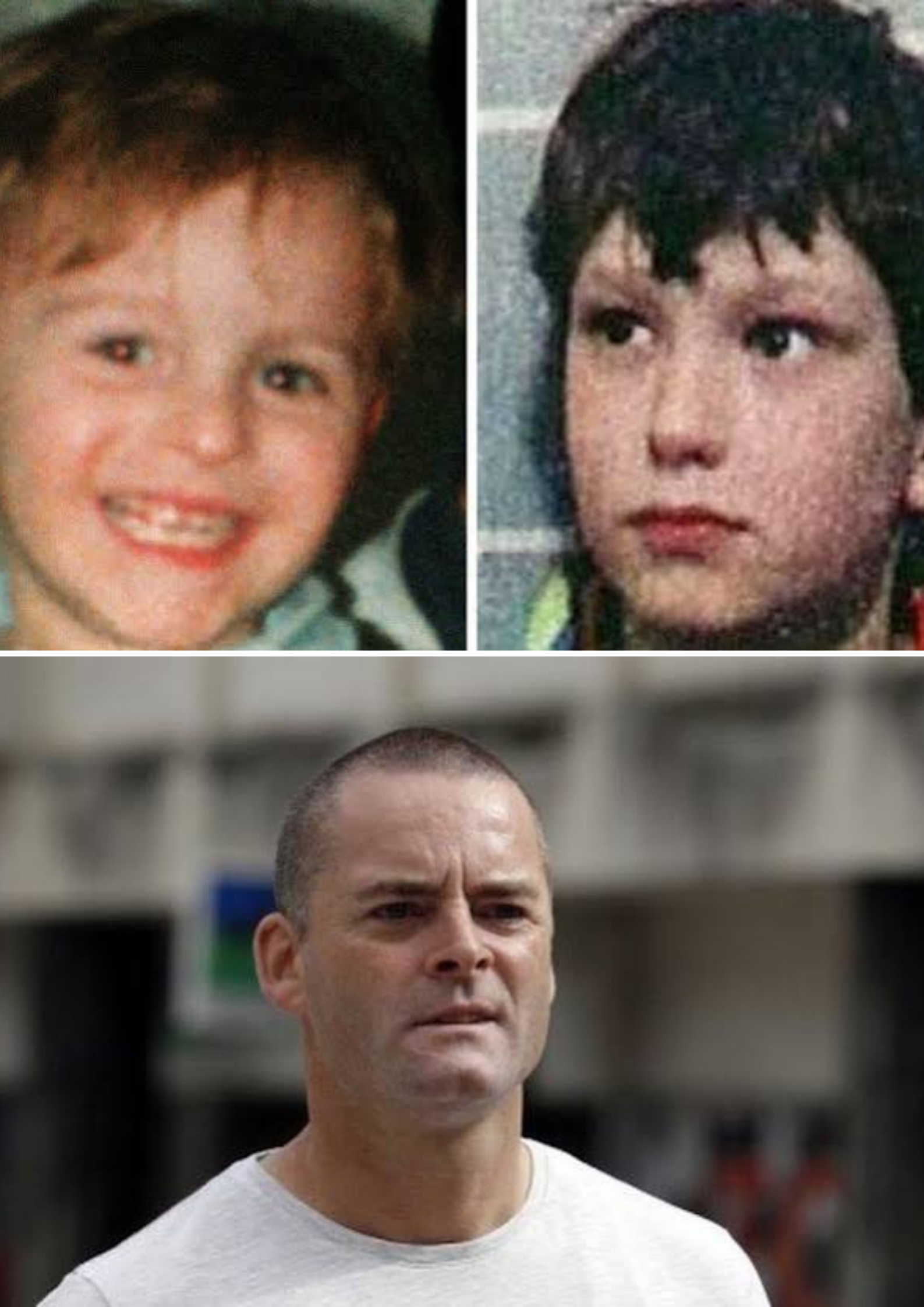
JON VENABLES: JAMES BULGER KILLER TO FACE PRIVATE PAROLE HEARING DESPITE MOTHER’S PLEA FOR PUBLIC SCRUTINY
Jon Venables will have his latest parole hearing held in private, despite James Bulger’s mother Denise Fergus and other representatives of the victim’s family calling for the proceedings to be opened to the public.
The decision was announced by the Parole Board on September 28, 2026, more than two years after Venables’ previous parole review.
Venables, now 44, was one of two 10-year-old boys convicted over the abduction and murder of two-year-old James Bulger in Merseyside in 1993.
 PAROLE HEARING WILL REMAIN PRIVATE
The Parole Board said Venables’ case would be considered at an oral hearing, but rejected applications for the hearing to take place publicly.
Parole hearings are normally conducted in private, although the law allows a hearing to be made public when the board considers that doing so would be “in the interests of justice.”
James Bulger’s mother, Denise Fergus, and her husband Stuart had applied for a public hearing.
Representatives for James’s father, Ralph Bulger, and brother, Jimmy Bulger, also sought a public hearing.
Several media organisations submitted applications as well.
The applicants argued that the extraordinary public interest surrounding the case meant greater transparency could help the public understand how parole decisions are made and could address what they described as continuing misinformation surrounding the case.
 WHY THE BOARD REJECTED A PUBLIC HEARING
In explaining its decision, the Parole Board pointed to the security risks surrounding Venables.
The board said a public hearing would make it “very difficult” for Venables to give evidence because he could potentially be overheard by people seeking information that could be used to harm or kill him.
John Saunders, speaking on behalf of the Parole Board, said a high threshold had been set for determining whether a hearing should be public.
He concluded that the circumstances did not meet that threshold.
Venables has lifelong anonymity protections, reflecting the extraordinary security concerns surrounding his identity.
DENISE FERGUS WANTED THE CASE OPENED
For Denise Fergus, who has spent more than three decades campaigning for her son to be remembered and for greater transparency around his killing, the decision is significant.
Her application argued that a public hearing could help address misinformation that continues to circulate about the case and that such misinformation has had a retraumatising impact on her.
She also argued that public scrutiny could improve understanding of the parole process and allow victims and their families to have greater confidence in how decisions are reached.
Representatives for Ralph and Jimmy Bulger made similar arguments, saying the case raises exceptional questions about risk assessment, release arrangements, anonymity and Venables’ subsequent offending.
THE 1993 MURDER OF JAMES BULGER
James Bulger was just two years old when he was abducted from the New Strand shopping centre in Bootle, Merseyside, in February 1993.
Venables and Robert Thompson, both aged 10 at the time, were convicted of his murder.
The case shocked Britain because of the ages of both the victim and the offenders.
Venables was eventually released on licence in July 2001, after serving part of his sentence under a new identity.
But his return to prison would come years later.
VENABLES WAS RECALLED TO PRISON TWICE
In 2010, Venables was recalled to prison after indecent images of children were discovered on a computer.
He was released again in 2013.
In 2017, he was recalled once more after another conviction involving indecent images of children.
Those subsequent convictions have become a major part of the continuing debate surrounding his suitability for release.
The applications for a public hearing specifically highlighted the fact that Venables had committed further serious offences as an adult and argued that the public had an interest in understanding how those offences would be considered alongside the original murder conviction.
HIS LAST PAROLE BID WAS REJECTED
Venables’ previous parole review took place in 2023.
The Parole Board rejected his application for release and concluded that he continued to pose a risk of serious harm, including a risk of further offending against children.
The forthcoming oral hearing will therefore examine his circumstances again.
However, the decision to hold the hearing privately does not mean that parole has been granted.
It also does not mean that parole has been refused.
The panel must still consider the evidence before making its decision.
VICTIMS CAN ATTEND PRIVATE PAROLE HEARINGS
Although the hearing will not be open to the general public, victims have gained greater opportunities to attend private parole proceedings following reforms introduced nationally in April 2026.
A spokeswoman for Denise Fergus previously confirmed that her application to observe the hearing had been granted.
That means James Bulger’s mother is expected to have an opportunity to observe proceedings despite the Parole Board rejecting the request for a fully public hearing.
The distinction is important: a private hearing can still allow victims to participate or observe under the applicable rules, while preventing unrestricted public access.
A CASE STILL UNDER INTENSE PUBLIC SCRUTINY
More than 33 years after James Bulger was murdered, the case continues to attract extraordinary public attention.
For Venables, the forthcoming hearing represents another stage in a parole process that has already seen release, recalls to prison and a previous refusal of parole.
For James’s family, meanwhile, the issue remains inseparable from the loss of a two-year-old child whose murder changed the course of their lives.
The Parole Board’s latest ruling settles one question — the hearing will be private — but not the question of whether Venables will ultimately be released.
That decision will be made after the oral hearing and assessment of the evidence before the panel.