DOCTOR WHO HELPED CONVICT LUCY LETBY NOW SAYS HE IS ‘NO LONGER CERTAIN’ SHE COMMITTED THE MURDERS
DOCTOR WHO HELPED CONVICT LUCY LETBY NOW SAYS HE IS ‘NO LONGER CERTAIN’ SHE COMMITTED THE MURDERS
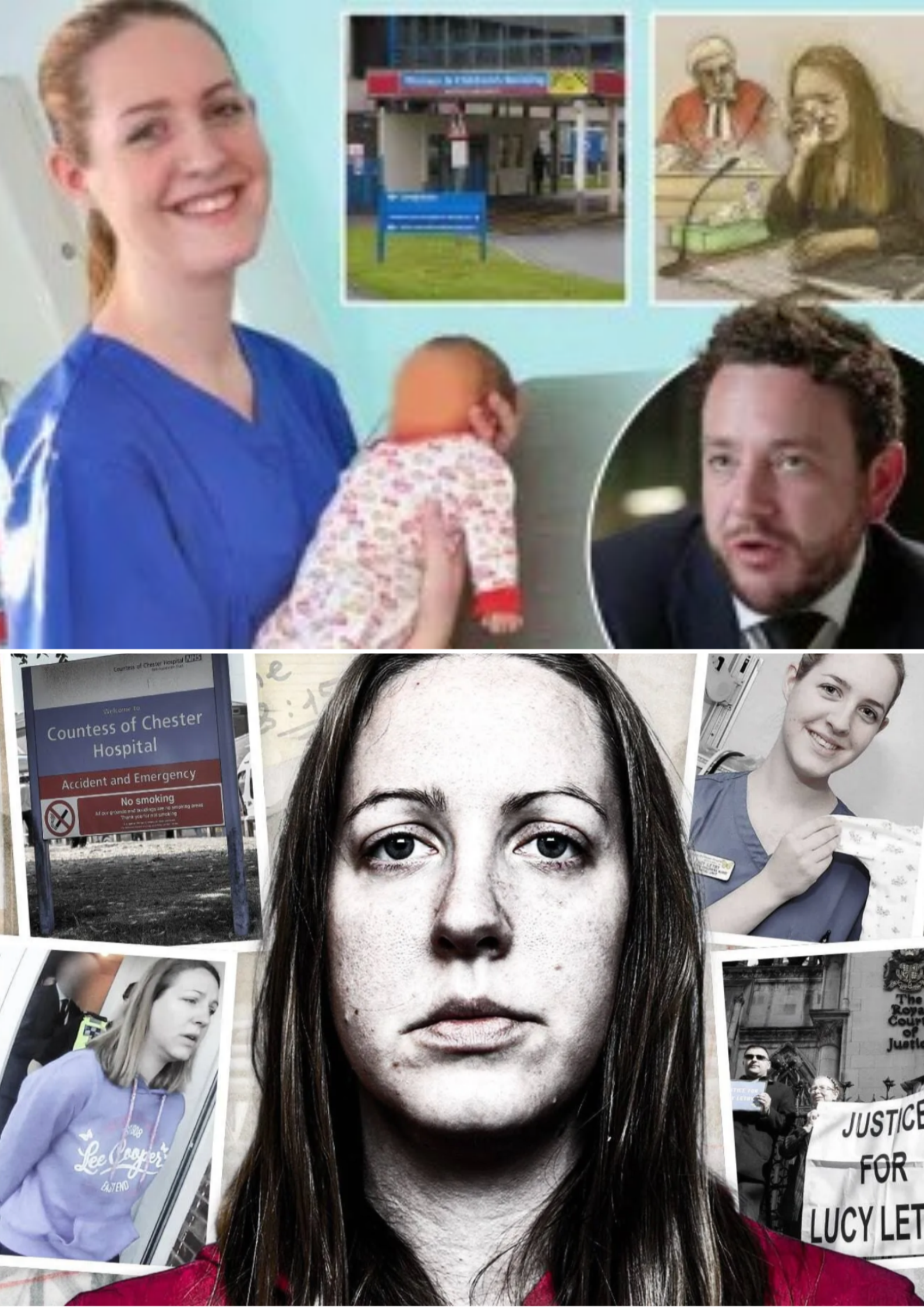
A retired paediatrician whose evidence helped convict former neonatal nurse Lucy Letby has made a dramatic change to his public position, saying he is now “no longer certain” that she murdered babies at the Countess of Chester Hospital.
Dr John Gibbs, one of three consultants whose evidence contributed to the prosecution case, has said that a retrial could be “the most appropriate thing for everyone” as renewed questions are raised about what happened on the hospital’s neonatal unit in 2015 and 2016.
But there is currently no verified evidence that Gibbs was pressured behind the scenes into changing his position, despite claims circulating online.
Instead, his comments appear to be linked to his consideration of new arguments and evidence surrounding the case, as well as findings from the recently published Thirlwall Inquiry into failures at the hospital.
 “NO” — WHEN ASKED IF HE IS STILL CERTAIN
Asked directly whether he remained certain that Letby had killed the babies, Gibbs reportedly answered:
“No.”
He went further, saying he held a “very small concern” that there may not have been deliberate harm at all.
“If it wasn’t Letby, do I think someone else was harming them? No, I don’t,” he said.
Gibbs also acknowledged the devastating effect that renewed questions about Letby’s convictions could have on the families of the babies involved.
However, he argued that this should not prevent new evidence from being examined if it could potentially undermine the convictions.
“What really matters is why so many babies collapsed on the neonatal unit in Chester in 2015 and 2016,” he said.
 THE THIRLWALL INQUIRY CHANGED THE CONTEXT
Gibbs’ comments came shortly after the publication of the final report from the Thirlwall Inquiry on September 15, 2026.
The inquiry found serious failures in management, governance and safeguarding at the Countess of Chester Hospital.
Lady Justice Kathryn Thirlwall said there had been a “complete failure” at all levels to invoke safeguarding procedures once concerns arose that a member of staff could be deliberately harming babies.
The inquiry also found that senior management delayed responding to doctors’ concerns and that some consultants were themselves subjected to investigation during Letby’s grievance process.
However, the inquiry was not a retrial of Lucy Letby.
Lady Justice Thirlwall explicitly stated that the inquiry was not an investigation into Letby’s criminal convictions or her guilt.
LETBY’S CONVICTIONS REMAIN IN PLACE
Letby was convicted in 2023 of murdering seven babies and attempting to murder several others at the Countess of Chester Hospital.
She was convicted again in 2024 following a retrial on one outstanding attempted-murder charge.
She is currently serving 15 whole-life orders, and her attempts to challenge her convictions have so far been unsuccessful.
The Criminal Cases Review Commission (CCRC) is separately examining material submitted on Letby’s behalf.
The CCRC has confirmed that its review is ongoing and stressed that it does not determine whether someone is guilty or innocent. Its role is to investigate potential miscarriages of justice and, where appropriate, refer cases back to the appellate courts.
NO CONFIRMED “SECRET PRESSURE”
The dramatic claim that some hidden pressure forced Gibbs to break his silence has not been established by the evidence currently available.
What is documented is that Gibbs has reconsidered his level of certainty after years of scrutiny surrounding the case.
He has said that he sees merit in some arguments advanced by experts who question aspects of the prosecution case, while also disagreeing with other arguments made by those challenging Letby’s convictions.
That distinction is important.
Gibbs’ comments do not themselves overturn Letby’s convictions, and the Thirlwall Inquiry did not find that Letby was wrongly convicted.
For now, her convictions remain legally in force while the CCRC continues its review.
But the public statement from a doctor whose evidence helped support the original prosecution is certain to add another significant development to one of Britain’s most closely watched criminal cases.