FORMER FRATERNITY LEADER SENTENCED AFTER HAZING DE@TH OF 18-YEAR-OLD PLEDGE
FORMER FRATERNITY LEADER SENTENCED AFTER HAZING DEATH OF 18-YEAR-OLD PLEDGE
Carter Eslick receives 60 days in jail and three years of probation after pleading guilty to felony hazing in the death of Northern Arizona University student Colin Martinez
A former fraternity leader at Northern Arizona University has been sentenced to jail after a hazing ritual ended with the death of an 18-year-old college student.
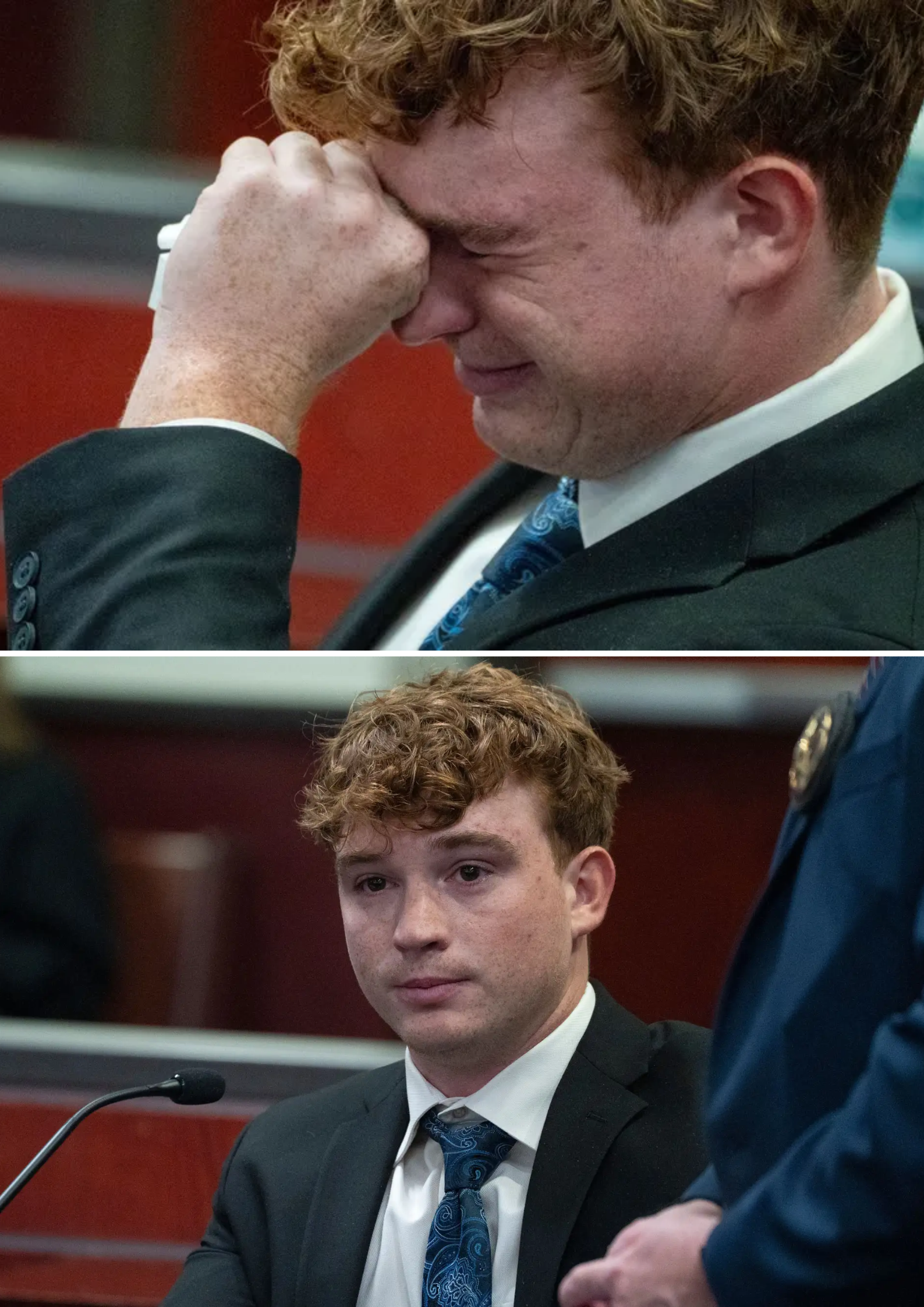
Carter Eslick, who served as the pledge master for the university’s Delta Tau Delta fraternity chapter, was sentenced on September 30 to 60 days in jail and three years of supervised probation for his role in the death of Colin Daniel Martinez. Eslick had pleaded guilty to a felony hazing charge.
Martinez died on January 31, 2026, after attending an off-campus fraternity rush event in Flagstaff, Arizona. An autopsy determined that he died from acute alcohol poisoning, with a blood-alcohol concentration of 0.425%.
:max_bytes(150000):strip_icc():focal(999x0:1001x2):format(webp)/Carter-Eslick-100326-2-7d6a8c6d99fa4e9e885367618ea98851.jpg) A NIGHT THAT WAS SUPPOSED TO BE ABOUT JOINING A FRATERNITY
A NIGHT THAT WAS SUPPOSED TO BE ABOUT JOINING A FRATERNITY
According to court documents, Martinez was one of four fraternity pledges taking part in an event connected to the Delta Tau Delta recruitment process.
The pledges were given vodka and encouraged to participate in a drinking ritual. Court records described the group being expected to consume large quantities of alcohol as part of the activity.
Eslick, who was responsible for the pledge process, admitted that he had provided the alcohol and explained the rules of the drinking game. Prosecutors said the ritual created a substantial risk to the students involved.
What followed would become a devastating warning about the dangers of hazing on college campuses.
:max_bytes(150000):strip_icc():focal(999x0:1001x2):format(webp)/Carter-Eslick-100326-1-0cc07d853140497d8f75c0b018dba8c3.jpg) MARTINEZ BECAME UNRESPONSIVE
MARTINEZ BECAME UNRESPONSIVE
Witnesses later told investigators that Martinez became heavily intoxicated during the gathering.
Rather than immediately seeking emergency medical assistance, people at the house reportedly monitored him for signs of alcohol poisoning. Court documents said witnesses adjusted his sleeping position and checked his pulse and breathing during the night.
Martinez was found unresponsive the following morning.
Police and emergency personnel responded to the off-campus residence, but the 18-year-old could not be saved.
His death was ultimately ruled accidental, with the medical examiner determining that acute alcohol toxicity was the cause.
A FATHER SPOKE OF A LOSS THAT CANNOT BE UNDONE
At Eslick’s sentencing, Martinez’s family continued to grapple with the loss of a son who was just beginning his adult life.
His father, Chris Martinez, appeared at the sentencing and spoke about the reality his family has faced since January.
He said the family wakes up every morning knowing Colin is not coming home.
The family has also called for changes within fraternity culture, hoping Colin’s death can lead to stronger protections for students participating in Greek-life organizations.
“No parent should ever have to bury their child,” Colin’s father said.
E SLICK BREAKS DOWN AND ACCEPTS RESPONSIBILITY
During the sentencing hearing, Eslick became emotional as he addressed Martinez’s loved ones.
He apologized and said he takes responsibility for the role he played in the hazing ritual.
“I am so incredibly deeply sorry,” Eslick said, according to reports from the hearing. He acknowledged that he failed to understand the seriousness of what could happen when alcohol was used in such a dangerous ritual.
Eslick also told the court that he had joined the fraternity as a teenager looking for friendship — much like Martinez.
He said he now wants to use his experience to warn other young people about the dangers of hazing.
THE SENTENCE GOES BEYOND JAIL TIME
Eslick’s punishment includes more than the 60 days he will spend behind bars.
He was sentenced to three years of supervised probation and must meet strict conditions. Among them, he is required to participate in anti-hazing education and deliver 305 anti-hazing presentations, while providing updates to the court on his progress.
He is also prohibited from using alcohol or drugs unless they are prescribed. Failure to comply with the conditions could result in additional jail time.
The sentence is intended not only to hold Eslick accountable but also to turn the tragedy into a warning for other students.
TWO OTHER FRATERNITY MEMBERS WERE ARRESTED
Eslick was not the only fraternity member arrested during the initial investigation.
The fraternity’s vice president, Ryan Creech, and treasurer, Riley Cass, were also arrested in connection with the investigation. Prosecutors ultimately did not pursue charges against either man.
Eslick was the only person indicted in the case and ultimately pleaded guilty to felony hazing.
Under Arizona law, hazing can become a more serious felony when it results in someone’s death.
THE FRATERNITY CHAPTER WAS PERMANENTLY CLOSED
The tragedy also brought major consequences for Delta Tau Delta at Northern Arizona University.
NAU suspended the fraternity following Martinez’s death, while the national Delta Tau Delta organization later announced the permanent closure of the chapter at the university. Eslick is no longer enrolled at NAU.
The university said hazing and behavior that puts students in danger have no place on its campus and announced an independent investigation into the circumstances surrounding the incident.
COLIN MARTINEZ’S DEATH LEAVES A LARGER WARNING
For Colin Martinez’s family, no sentence can bring their son back.
But his death has become part of a larger conversation about how dangerous hazing traditions can become when young people are pressured to prove themselves, fit in or earn acceptance.
Coconino County Attorney Ammon Barker said no sentence could undo the harm suffered by Martinez’s family, but expressed hope that the case would encourage students to recognize the dangers of hazing and intervene before another family experiences a similar loss.
Colin was only 18.
He had gone to a college fraternity event expecting to take part in a tradition associated with joining a new community. Instead, the night ended with a family mourning a son and a former fraternity leader standing before a judge.
The case now stands as a painful reminder that what may be presented as a college tradition can have permanent consequences.