Viral Video Shows Arizona State Student Eryn Bonner Being Shoved to Ground During Police Arrest
Viral Video Shows Arizona State Student Eryn Bonner Being Shoved to Ground During Police Arrest
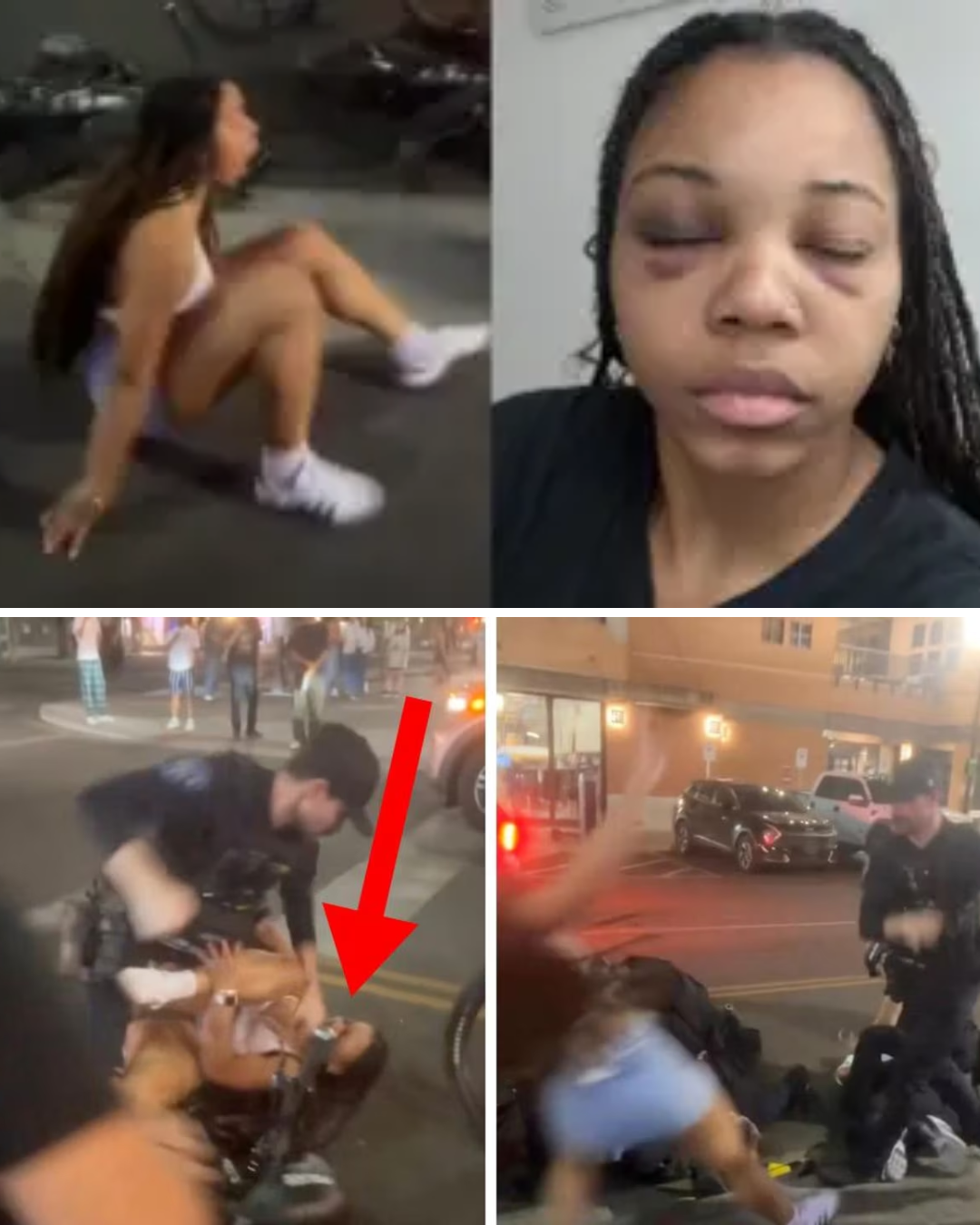
TEMPE, Ariz. — A newly released video showing an Arizona State University student being shoved to the ground and restrained by police has sparked widespread attention and renewed questions about what happened during a chaotic July arrest in downtown Tempe.
Eryn Bonner, a 21-year-old Arizona State senior and former member of the university’s stunt team, was arrested on July 19 after approaching officers who were taking two men into custody near Mill Avenue.
Bonner is now facing two misdemeanor charges — disorderly conduct and hindering or interfering with police. She has pleaded not guilty.
The Encounter Was Captured on Multiple Cameras
The confrontation unfolded after police officers on bicycles responded to a disturbance involving several people outside a bar on Mill Avenue.
Surveillance footage from a nearby business shows Bonner and two male companions walking past another man before an argument appeared to break out.
Officers intervened and began arresting two men.
Bonner can then be seen approaching the officers and repeatedly telling them to let one of the men go.
Police eventually instructed her to back away.
Video released by authorities shows an officer pushing Bonner to the ground after she approached the officers again. She then got back up and confronted the officer, leading to a physical struggle in which she was forced onto a police bicycle and restrained on the pavement.
Bonner was later taken into custody.
Two Very Different Accounts
The circumstances surrounding the use of force have become the central point of the controversy.
Bonner’s attorney, Benjamin Taylor, has accused the officer of using excessive force and has called for the officer to be fired. He argues that the video shows Bonner being pushed before the physical struggle escalated.
Taylor has also alleged that an officer in the footage inappropriately touched Bonner during the arrest. That allegation is disputed and remains part of the broader controversy surrounding the incident.
Police, however, have presented a different account.
According to police, Bonner interfered with the arrests and struck one of the officers multiple times.
A police union representative who was not involved in the incident has defended the officer’s actions, arguing that the full collection of videos provides additional context that is missing from the short clip circulating online.
The conflicting accounts have made the different camera angles particularly important to the case.
Bonner Was Left With Bruises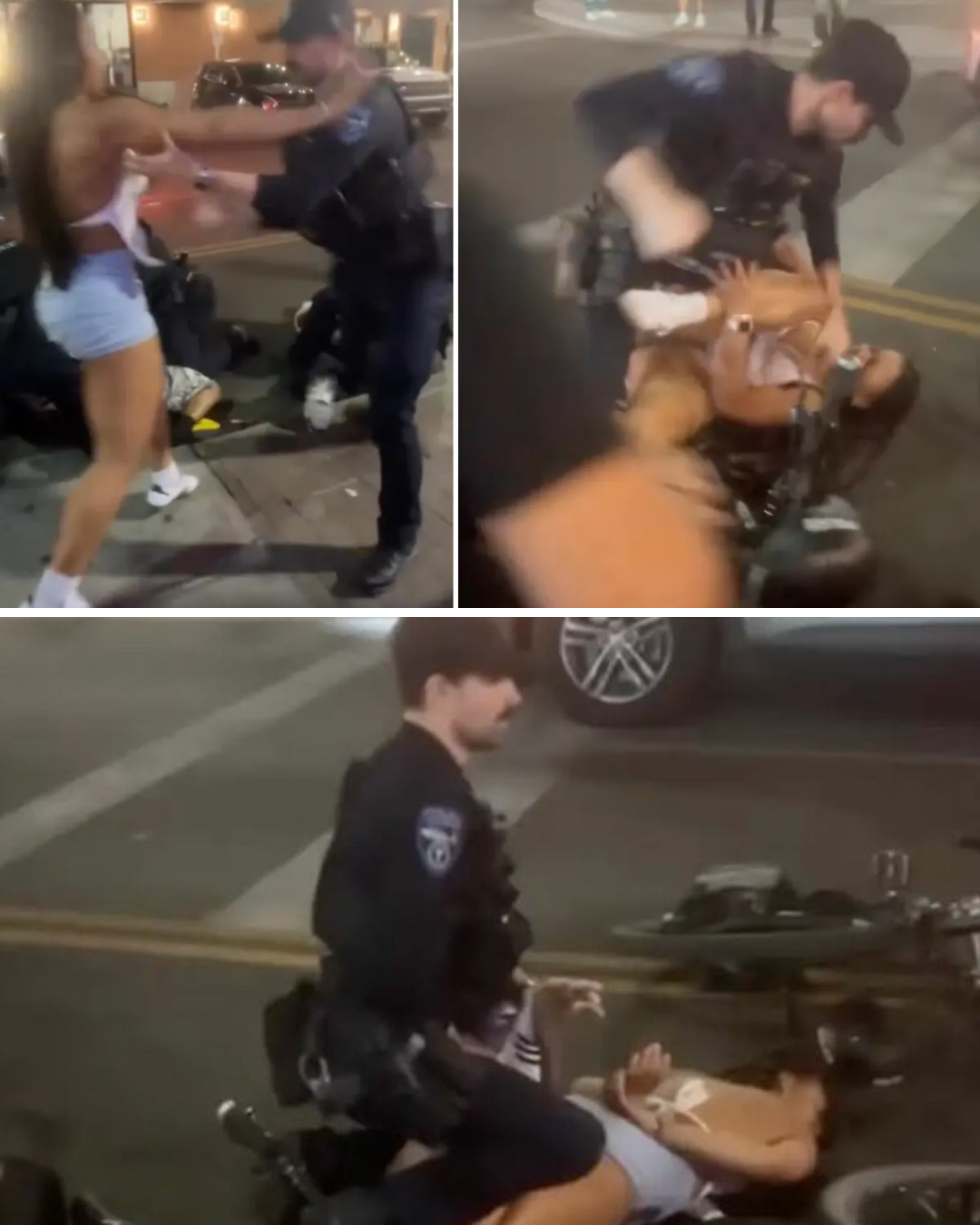
Photos released through Bonner’s attorney show bruising on her face following the confrontation.
Her family has publicly expressed distress over seeing the footage and said they believe public servants should be held to high professional standards.
Bonner’s attorney has also indicated that civil litigation could follow depending on how the matter develops.
At the same time, authorities have not concluded that the officer violated department policy.
Tempe Police said the incident was under administrative review and that the available video and other evidence would be evaluated to determine whether the officer’s actions were consistent with department policy, training and professional standards.
Criminal Charges Remain Pending
The Maricopa County Attorney’s Office declined to pursue potential felony charges against Bonner.
She was subsequently charged with misdemeanor disorderly conduct and interfering or hindering police.
The city has said the misdemeanor charges were not filed as retaliation for allegations involving the officers and that the charges were pursued as part of the existing case.
Bonner has pleaded not guilty.
Her legal case and the police department’s administrative review are separate processes, and neither has produced a final determination about whether the officers used excessive force.
The Video Has Raised More Questions Than Answers
The incident has quickly become another example of how a short piece of viral footage can dominate public attention before the full circumstances are known.
In Bonner’s case, several different recordings — including surveillance footage, body-camera video and footage circulating online — show different portions of the encounter.
One side argues the video demonstrates unnecessary force.
The other argues that the viral clip does not show everything that happened immediately beforehand.
For now, both the criminal case against Bonner and the internal review of the police conduct remain unresolved.
And as more footage continues to circulate, the central question remains:
What happened in the moments before the camera captured the confrontation — and did the force used during the arrest comply with police policy?