“SHE SURVIVED — BUT WILL SHE EVER FULLY RECOVER?” CHRISTA PIKE’S LAWYERS FEAR LASTING BRAIN DAMAGE AFTER FAILED EXECUTION
“SHE SURVIVED — BUT WILL SHE EVER FULLY RECOVER?” CHRISTA PIKE’S LAWYERS FEAR LASTING BRAIN DAMAGE AFTER FAILED EXECUTION
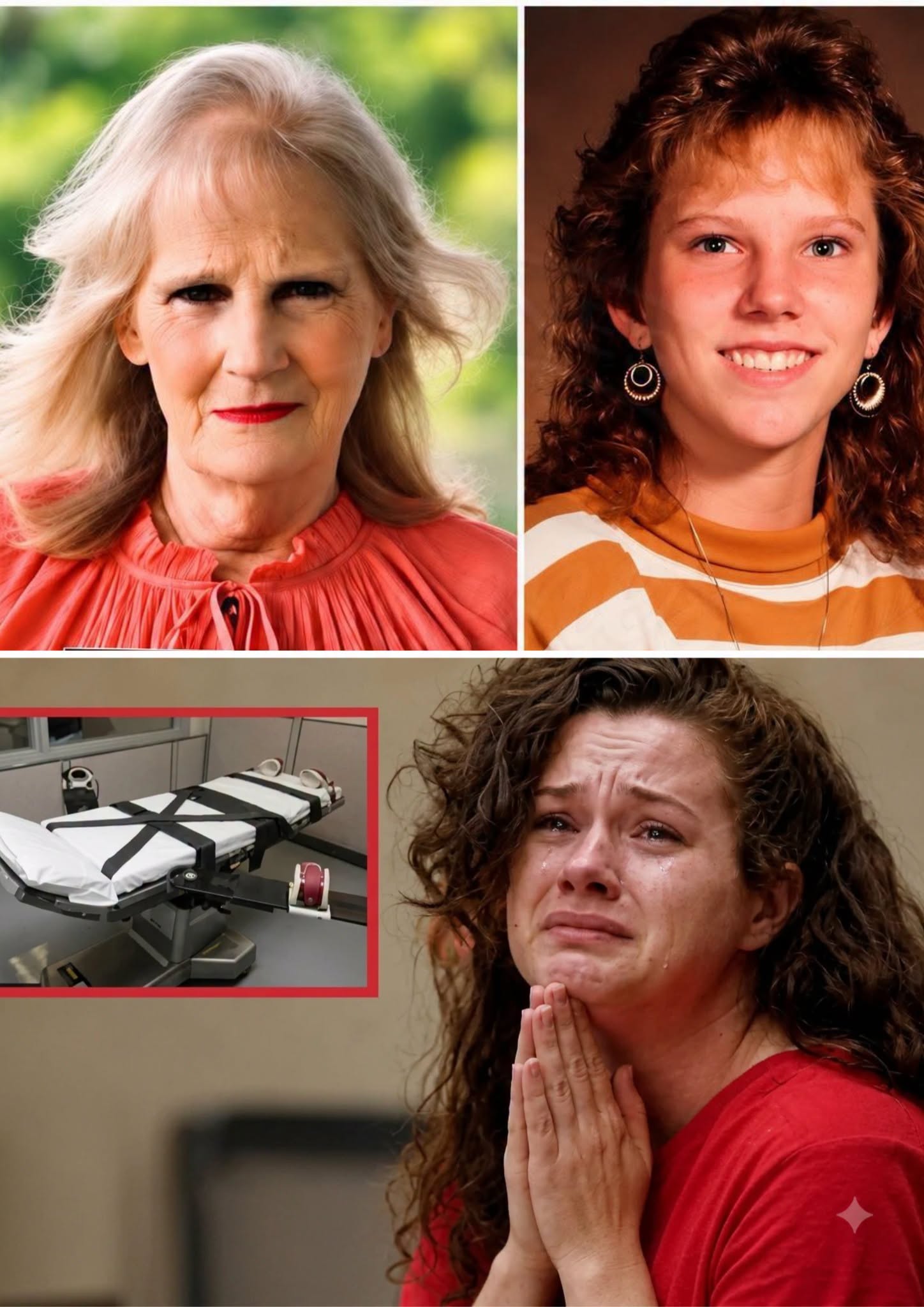
Christa Pike, 50, is walking with assistance and eating again after surviving Tennessee’s failed execution attempt. But as her physical condition improves, her lawyers say serious questions remain about her memory, concentration and the possibility of permanent cognitive injuries.
A week after Tennessee attempted to carry out her death sentence, Christa Pike is making physical progress in hospital. Yet the latest update from her legal team reveals that her recovery may be far more complicated than it first appeared.
Pike survived two doses of pentobarbital during the attempted execution on September 30, 2026. She remained unconscious and required a ventilator for several days before unexpectedly regaining consciousness on October 6.
Her attorneys now say that although she is beginning to walk short distances with assistance, eat a regular diet and breathe without a ventilator, they remain concerned about possible lasting effects on her brain.
 PHYSICAL PROGRESS — BUT SERIOUS QUESTIONS REMAIN
In an update shared with PEOPLE on October 8, Pike’s attorneys described her physical recovery as remarkable.
However, they said she continues to experience difficulties with memory and concentration. Her lawyer Stephen Ferrell told ABC News that she sometimes begins a sentence but struggles to maintain her train of thought.
Doctors have reportedly warned that it could take months to determine whether she has suffered permanent cognitive damage.
For now, her long-term prognosis remains uncertain. Her legal team has stressed that improvements in her physical condition do not necessarily mean she has recovered fully.
 THE INJURIES LEFT BEHIND
Pike has also been dealing with painful injuries to her arms following the execution attempt.
Her attorneys reported severe burns and tissue damage around the injection sites. The injuries have affected her ability to carry out simple tasks, including holding a pen to sign documents.
The legal team has described the recovery process as unusual and difficult to predict, with uncertainty surrounding how quickly the injuries will heal and whether any lasting impairment will remain.
They have also said Pike is experiencing significant psychological distress following the ordeal.
WHY THE EXECUTION FAILED
Pike was scheduled to be executed at Riverbend Maximum Security Institution in Nashville on September 30.
Authorities administered two doses of pentobarbital, the drug intended to cause her death. The attempt did not have the intended outcome, and she was taken to hospital for emergency medical treatment.
She remained unconscious for days before waking on October 6, surprising people who had feared she might not regain consciousness.
The episode has raised serious questions about Tennessee’s execution procedures and the handling of the attempt.
A CASE THAT DATES BACK MORE THAN 30 YEARS
Pike was sentenced to death for the 1995 killing of 19-year-old Colleen Slemmer, a fellow Job Corps participant in Knoxville, Tennessee.
Pike was 18 at the time of the crime. Her case has remained in the public eye for decades, and the failed execution has renewed attention to both the state’s procedures and the consequences of the attempt.
Slemmer’s mother, May Martinez, has publicly expressed anger over the failed execution and continues to seek justice for her daughter. She has also disputed claims that Pike has shown remorse.
The perspectives of Slemmer’s family remain an important part of the story, alongside the questions now surrounding Pike’s medical condition.
TENNESSEE ORDERS A REVIEW
Following the failed attempt, Tennessee Governor Bill Lee paused scheduled executions and ordered an independent review.
A judge has also ordered state officials to preserve evidence related to the procedure, including records and other materials that could be relevant to ongoing legal proceedings.
Pike’s attorneys are continuing to seek a commutation of her death sentence to life imprisonment without the possibility of parole. Her future legal status remains unresolved.
WHAT HAPPENS NEXT?
For now, doctors are focused on Pike’s recovery, while her legal team waits for a clearer picture of the long-term effects.
Her ability to walk and eat again marks progress, but the concerns about memory, concentration and possible permanent injury remain unanswered.
The coming months may provide a clearer understanding of the medical consequences — and the legal and procedural questions raised by Tennessee’s failed attempt.
Christa Pike has regained consciousness and begun recovering physically, but her lawyers say the most important questions about her long-term condition remain unanswered.
=