Christa Pike Refused a Traditional Last Meal Before Her Execution — What She Requested Instead
Christa Pike Refused a Traditional Last Meal Before Her Execution — What She Requested Instead
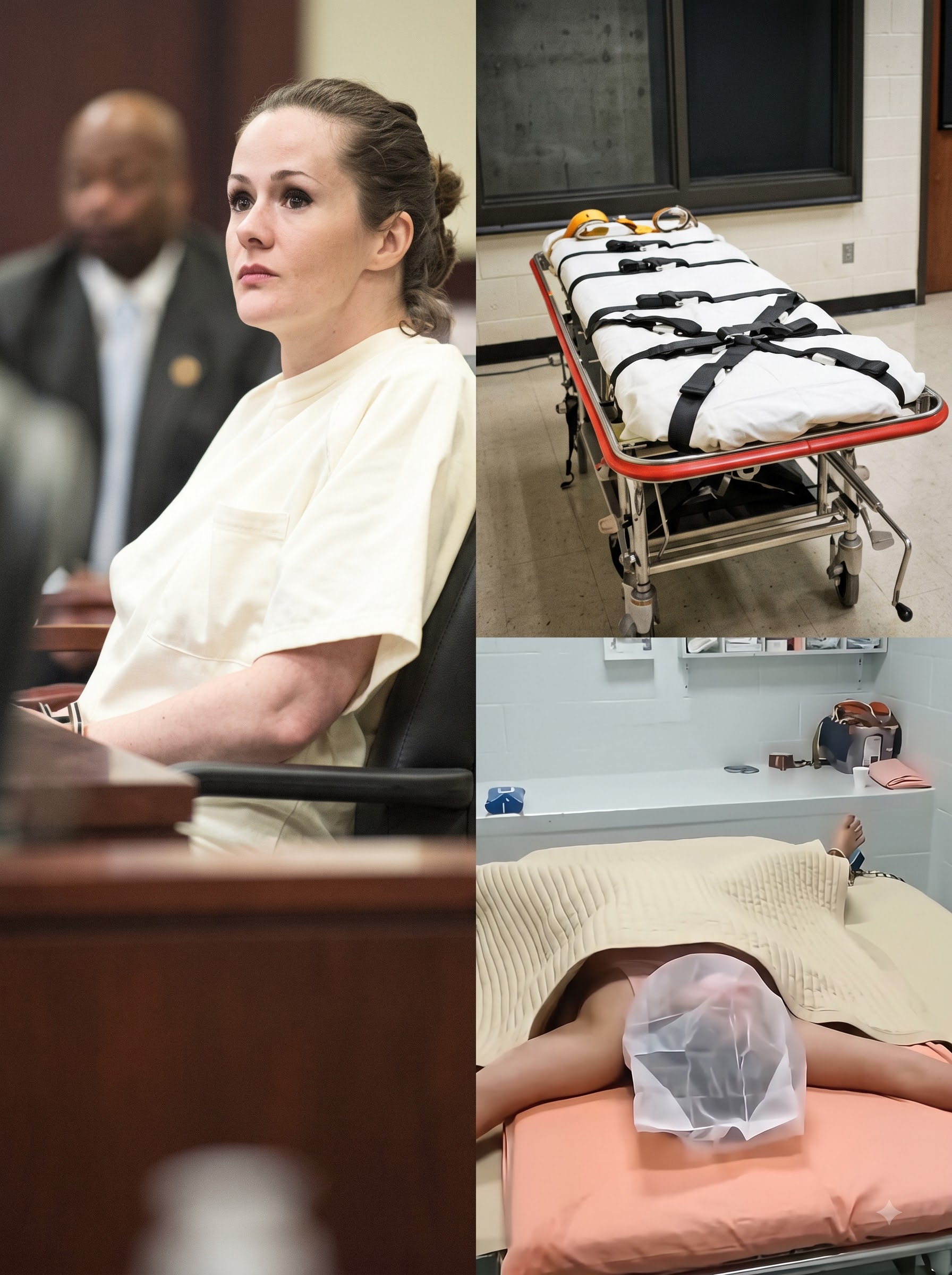
In the hours before Tennessee attempted to execute Christa Pike, she reportedly made a choice that took on new meaning after the procedure failed: she declined a traditional last meal and asked that the money be used to feed homeless people.
Pike, now 50, was scheduled to die by lethal injection on September 30, 2026, for the 1995 murder of 19-year-old Colleen Slemmer. Instead, she survived two doses of pentobarbital and was rushed to a hospital after the execution could not be completed.
According to People, Pike asked that her $20 meal allowance be used to buy pizza for people experiencing homelessness in Nashville. Supporters later organized a food donation effort in response to her request. The account was reported by the publication citing information from people familiar with the situation. <Cite refs={[“turn697645news19″,”turn697645news20”]}/>
Questions About Her Final Meal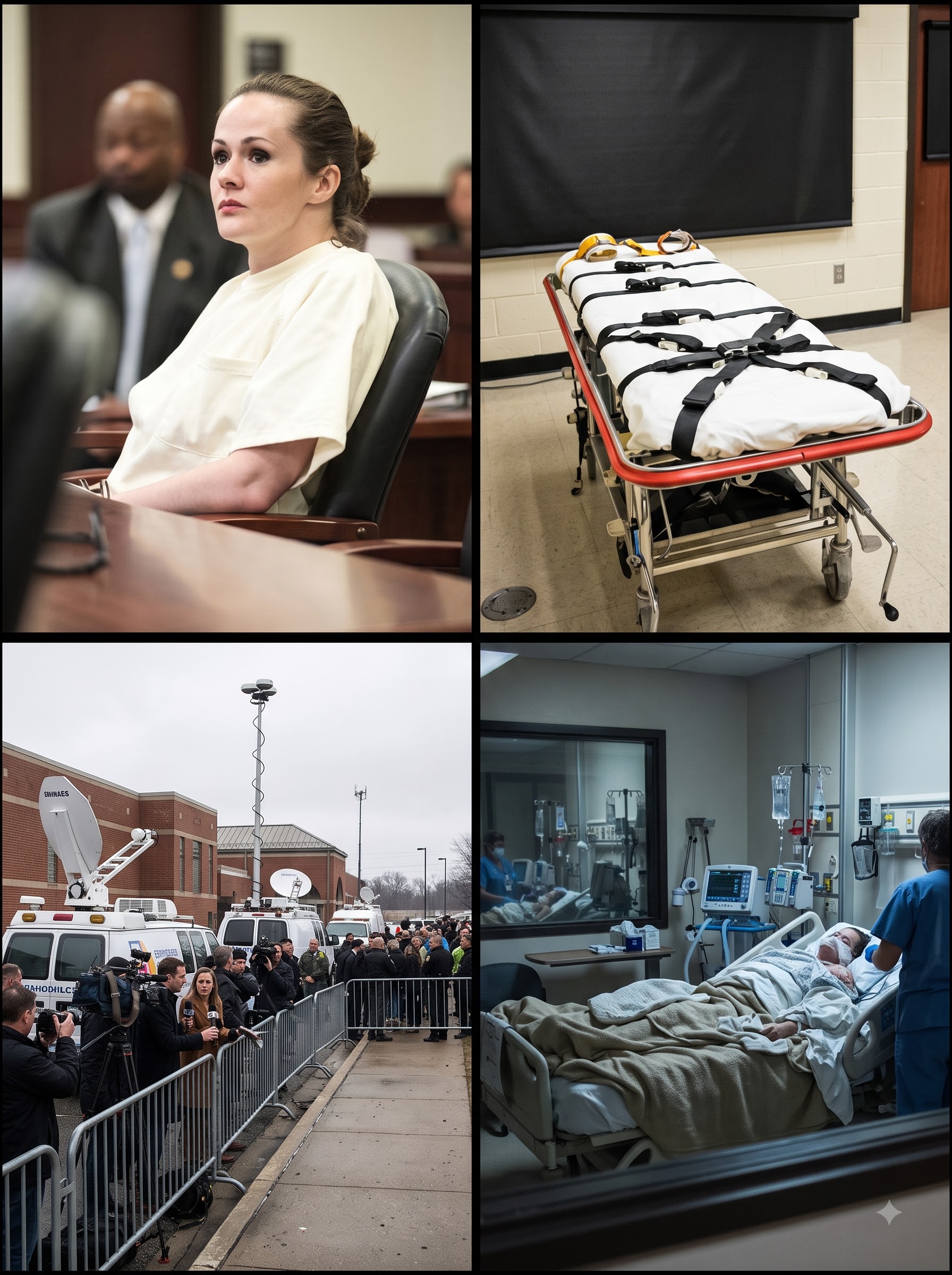
News of Pike’s decision prompted speculation online about whether refusing food or water might have affected the execution attempt.
Her attorneys pushed back against claims that she deliberately dehydrated herself to make the lethal injection more difficult. They said she had eaten and consumed fluids before the procedure, including Gatorade. Reports also said the prison warden brought her food.
There is no established evidence that Pike’s decision about the traditional last meal caused the execution to fail. The precise reason the lethal injection did not result in her death remains under investigation. <Cite refs={[“turn697645news20″,”turn697645search7”]}/>
The Execution Failed After Two Doses
During the September 30 procedure at Riverbend Maximum Security Institution in Nashville, witnesses reported that Pike remained alive after receiving two doses of pentobarbital. She reportedly complained of arm pain, continued breathing, and made snoring sounds as the process stretched on.
The execution was ultimately halted, and Pike was transported to a medical facility. Her survival has drawn national attention because she is the only person known to have survived after lethal-injection drugs were administered during a U.S. execution attempt. <Cite refs={[“turn697645news25″,”turn697645search2”]}/>
Pike was hospitalized in critical condition and later regained consciousness. On October 10, her attorneys said she had been discharged and returned to the Debra K. Johnson Rehabilitation Center, where she continues to receive medical care. Her long-term recovery remains uncertain. <Cite refs={[“turn697645news13″,”turn697645news14”]}/>
Tennessee Faces an Independent Review
The failed execution has triggered a broader examination of Tennessee’s execution procedures. Gov. Bill Lee suspended the state’s remaining scheduled executions for 2026 while an independent review proceeds. A judge has also ordered officials to preserve evidence connected to Pike’s execution attempt, including drugs, medical equipment, records, photographs, and video.
Pike’s attorneys are seeking a commutation of her death sentence to life imprisonment without parole. The failed procedure does not automatically overturn her conviction, and the legal outcome remains unresolved.
For now, the story of her last-meal request is one detail in a much larger case—one that has left serious questions about the execution process, Pike’s health, and the future of Tennessee’s death penalty.
What investigators ultimately discover about the failed procedure may prove far more consequential than the last meal she declined.