Christa Pike Survived Tennessee’s Failed Execution — Now, 911 Recordings Raise New Questions About Emergency Response
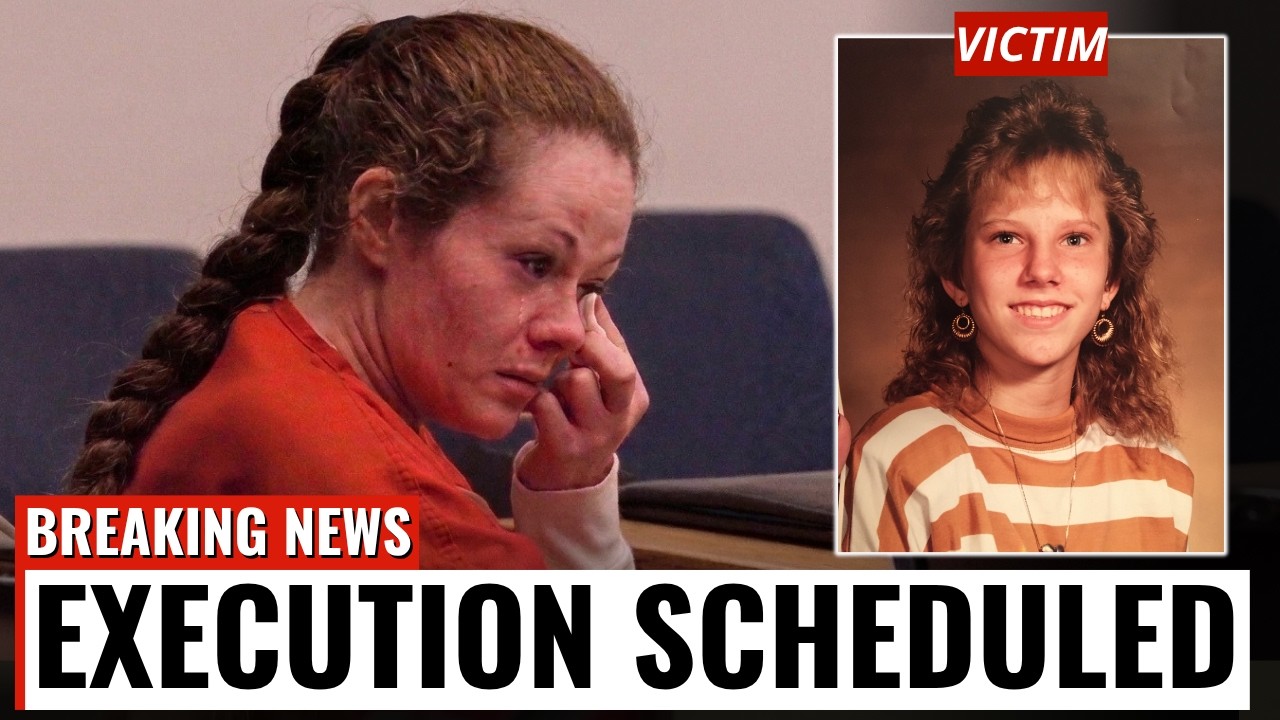
Christa Pike Survived Tennessee’s Failed Execution — Now, 911 Recordings Raise New Questions About Emergency Response
SEO Title: Christa Pike Execution Failure: 911 Calls Reveal Emergency Delays
Meta Description: Christa Pike survived Tennessee’s failed lethal-injection attempt and returned to prison. Newly released 911 recordings raise questions about delayed emergency assistance.
MORE THAN 30 MINUTES PASSED BEFORE EMERGENCY RESPONDERS WERE CLEARED TO HELP CHRISTa PIKE — AFTER TENNESSEE’S ATTEMPT TO EXECUTE HER FAILED.
The case of Christa Pike has taken another troubling turn after newly released 911 recordings revealed confusion among prison officials and emergency dispatchers following the September 30 lethal-injection attempt that left the 50-year-old inmate alive and in need of urgent medical care.
The recordings, reported by The Associated Press, show that the first request for an ambulance was initially treated as unverified. Emergency assistance was not cleared to proceed until officials confirmed the situation, raising fresh questions about communication and emergency procedures inside Tennessee’s execution chamber.
The 911 Calls That Raised New Questions
According to the recordings, the initial emergency call was made at approximately 8:40 p.m. on September 30, after officials had administered two doses of pentobarbital but Pike had not died.
The caller informed the dispatcher that an execution had been underway and that Pike remained alive. However, the call reportedly lacked a verification code used to establish that the emergency request was legitimate.
That missing verification led to confusion over whether the request should be treated as a genuine emergency. Officials later confirmed the situation, with authorization for responders reportedly coming at approximately 9:11 p.m.
The interval has become a central issue in questions about how Tennessee handled the medical crisis.
Pike’s attorneys also made an emergency call, emphasizing the need for immediate medical attention. The recordings provide a clearer timeline of the response, although they do not, by themselves, establish every factor that contributed to the failed execution.
The central question now is not only why the lethal-injection procedure failed, but also whether emergency protocols worked as intended once it became clear that Pike was still alive.
What Happened During the Failed Execution?
Tennessee attempted to execute Pike on September 30 at Riverbend Maximum Security Institution in Nashville.
Under the state’s protocol, officials administered two doses of pentobarbital. According to accounts from witnesses and court filings by Pike’s attorneys, she continued breathing and had a heartbeat after the injections.
The execution was halted, and Pike was transported to a hospital for emergency treatment.
Her survival was an extraordinary development that immediately drew attention to the state’s execution procedures, the administration of the drugs and the medical response inside the prison.
Tennessee officials maintained that the Department of Correction followed the state’s established execution protocol. The precise cause of the failure has not been publicly established.
Pike Has Returned to Prison After Hospitalization
In the days following the incident, Pike’s condition was initially described as critical. Her attorneys later reported that she regained consciousness and began speaking, offering a significant change from the uncertainty surrounding her early recovery.
On October 10, her legal team confirmed that she had been discharged from the hospital and transferred back to the Debra K. Johnson Rehabilitation Center in Nashville, where she had been held for decades.
Her attorneys said she would continue receiving medical care in prison and that they would monitor her recovery.
The transfer marked an important development, but it did not mean that all medical concerns had been resolved. Her lawyers have described a recovery involving serious injuries and uncertainty about her longer-term physical condition.
The state has not publicly provided a comprehensive medical assessment explaining the full extent of her injuries or her long-term prognosis.
Governor Bill Lee Orders a Review
The failed execution prompted Tennessee Gov. Bill Lee to suspend the state’s remaining scheduled executions for the rest of 2026 and order an independent review into what happened.
The review is intended to establish how the execution failed and why the procedure did not produce the intended result. The newly reported emergency-response timeline adds another layer to the investigation.
A judge has also ordered Tennessee officials to preserve evidence related to the execution, including relevant records, recordings, photographs and equipment. Preserving that material could prove important as Pike’s attorneys examine the circumstances surrounding the procedure.
The review’s findings may help answer questions about the execution protocol and the handling of the subsequent medical emergency. Until those findings are made public, the exact causes of the failure and the full extent of any procedural shortcomings remain unresolved.
A Case That Reaches Back More Than 30 Years
Pike was sentenced to death for her role in the 1995 murder of 19-year-old Colleen Slemmer, a fellow student at a residential training program in Tennessee.
The case has remained a major part of Pike’s legal history for more than three decades. Her scheduled execution drew particular attention because she would have been the first woman executed by Tennessee in more than 200 years.
The failed attempt has now shifted attention toward the state’s responsibility for carrying out executions according to its procedures and responding appropriately when a medical emergency occurs.
That scrutiny does not erase the murder for which Pike was convicted or the loss suffered by Slemmer’s family. It raises a separate question about the state’s conduct during an execution it had planned and authorized.
What Happens Next?
As of October 16, Tennessee’s remaining executions for 2026 remain suspended while the independent review proceeds. Pike has returned to prison, where she is continuing to receive medical care, and officials have not announced a new execution date for her.
Several major questions remain unanswered: What caused the lethal-injection procedure to fail? Why did verification confusion delay emergency assistance? And what changes, if any, will Tennessee make before carrying out another execution?
The 911 recordings have added a documented timeline to a case already facing intense scrutiny. The answers to those questions will depend on the findings of the review, preserved evidence and any further legal proceedings.
For now, Christa Pike is alive and back in prison. The investigation into how Tennessee’s execution failed — and how officials responded when it did — is still unfolding.