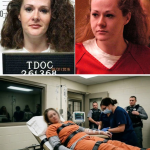
“HER ARMS WERE SWOLLEN, BURNED AND BLISTERED” — CHRISTA PIKE SURVIVES FAILED EXECUTION AS QUESTIONS GROW OVER WHAT HAPPENED
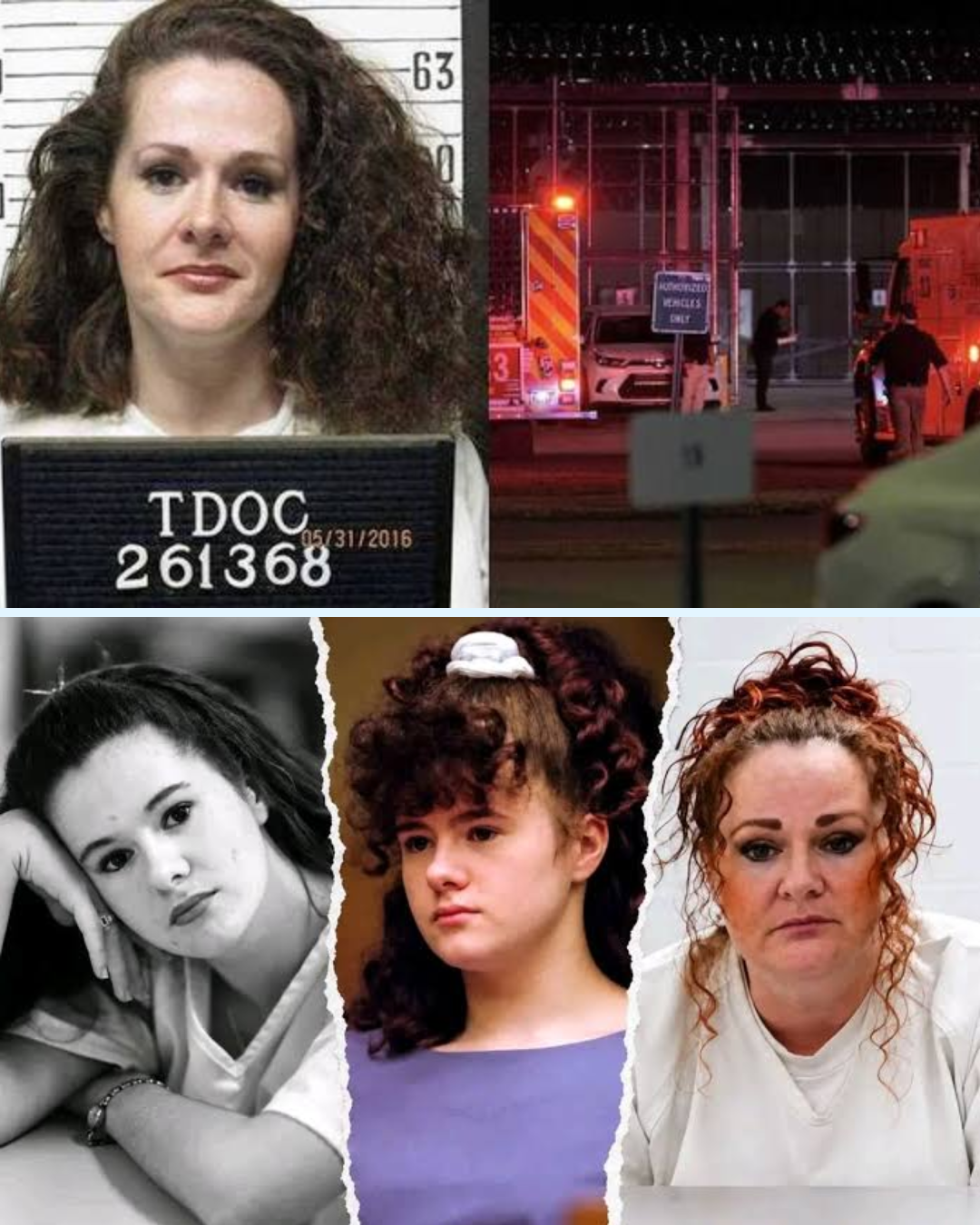
“HER ARMS WERE SWOLLEN, BURNED AND BLISTERED” — CHRISTA PIKE SURVIVES FAILED EXECUTION AS QUESTIONS GROW OVER WHAT HAPPENED
After two rounds of lethal-injection drugs failed to end her life, Christa Pike was rushed to hospital with serious injuries, according to her attorneys. She has since been released from hospital, but the full extent of her recovery remains uncertain.
Christa Pike’s survival of a failed execution in Tennessee has raised urgent questions about what happened inside the execution chamber — and what lasting consequences she may face.
On September 30, 2026, Tennessee officials attempted to carry out the 50-year-old death-row inmate’s execution using pentobarbital. But after two doses were administered, Pike remained alive, prompting an emergency response and her transfer to hospital.
In the days that followed, her attorneys described severe injuries to both arms, along with other serious medical complications. Their accounts have intensified scrutiny of the state’s execution procedures.
WHAT HAPPENED DURING THE EXECUTION ATTEMPT?
According to court filings and witness accounts, officials spent an extended period attempting to establish intravenous access before administering the drugs.
Pike’s attorneys said the team used multiple needles while trying to access her veins. During the procedure, Pike reportedly complained that her arm hurt.
After the injections, one of her attorneys said he saw her arm turn purple. Witnesses also reported that she continued breathing and making sounds long after the drugs had been administered.
The execution did not proceed as intended. Pike was eventually taken by ambulance to a Nashville-area hospital for emergency treatment.
Tennessee officials said the state had followed its established protocol, while Pike’s legal team raised concerns about whether the procedure had been carried out safely and correctly.
The precise sequence of events and the reasons the drugs failed to produce the intended result remain subjects of scrutiny.
 ATTORNEYS DESCRIBE SERIOUS ARM INJURIES
In court filings after the incident, Pike’s lawyers reported that both arms were swollen, burned and blistered when she arrived at the hospital.
They later described additional complications, including a blood clot in one arm, substantial swelling in her hands and arms, and pneumonia. At one point, they said she was unable to move her arms or hands.
Her condition was initially critical. She was reportedly unconscious and on a ventilator before regaining consciousness and beginning to speak.
The injuries have raised questions about whether the intravenous lines were properly positioned and whether the execution drugs entered her bloodstream as intended.
Pike’s attorneys have alleged serious failures in the procedure. Those allegations have not, by themselves, established a final official finding of fault.
 SHE HAS LEFT HOSPITAL — BUT RECOVERY CONTINUES
In the days after the failed execution, Pike’s legal team described her recovery as slow and uncertain.
There were, however, signs of progress. Her attorneys later reported that she had begun taking limited steps with assistance and that her arms were healing and regaining some movement and strength.
On October 10, Reuters reported that Pike had been released from hospital and returned to the Debra K. Johnson Rehabilitation Center in Tennessee, where she has been imprisoned for more than three decades.
She was expected to continue receiving medical care.
Although her return to prison marked a significant development, it did not mean that the consequences of the incident had ended. The full extent of any lasting physical damage has not been independently established.
A JUDGE ORDERS EVIDENCE TO BE PRESERVED
Pike’s attorneys have also taken legal steps to ensure that evidence relating to the attempted execution is not lost or destroyed.
On October 7, a Tennessee judge ordered the state to preserve evidence connected to the incident. The order covered items including drugs, syringes, intravenous equipment, photographs, recordings, witness accounts and relevant records.
The preservation order could prove important as investigators and the courts examine what occurred.
Tennessee Governor Bill Lee ordered a review of the failed execution and suspended scheduled executions in the state for the remainder of 2026.
The investigation is expected to play a central role in determining what went wrong and what happens next in Pike’s case.
WHY THE CASE IS DRAWING NATIONAL ATTENTION
Pike was scheduled to become the first woman executed in Tennessee in more than 200 years.
She was sentenced to death for her role in the 1995 killing of 19-year-old Colleen Slemmer, whom Pike and two other teenagers lured into a wooded area in Knoxville. Pike was 18 at the time.
The failed execution has renewed debate about lethal injection procedures, medical safeguards and the responsibilities of state officials carrying out a death sentence.
Pike’s attorneys have argued that the incident caused severe suffering and have continued to challenge the circumstances surrounding the procedure.
Meanwhile, the state’s review must establish what happened and whether its protocols were followed.
For now, several questions remain unanswered: Why did the injections fail? What caused the injuries to Pike’s arms? And could she face long-term consequences from the ordeal?
Christa Pike survived the September 30 execution attempt, but the questions surrounding her injuries and the procedure itself remain unresolved. The investigation — and her recovery — continue.
READ THE FULL STORY IN THE COMMENTS. ⚖️