AILEEN WUORNOS: THE DARK STORY OF AMERICA’S MOST INFAMOUS FEMALE SERIAL KI//ER — SEVEN MEN DEAD, SIX DE@TH SENTENCES AND A FINAL EXECUTION
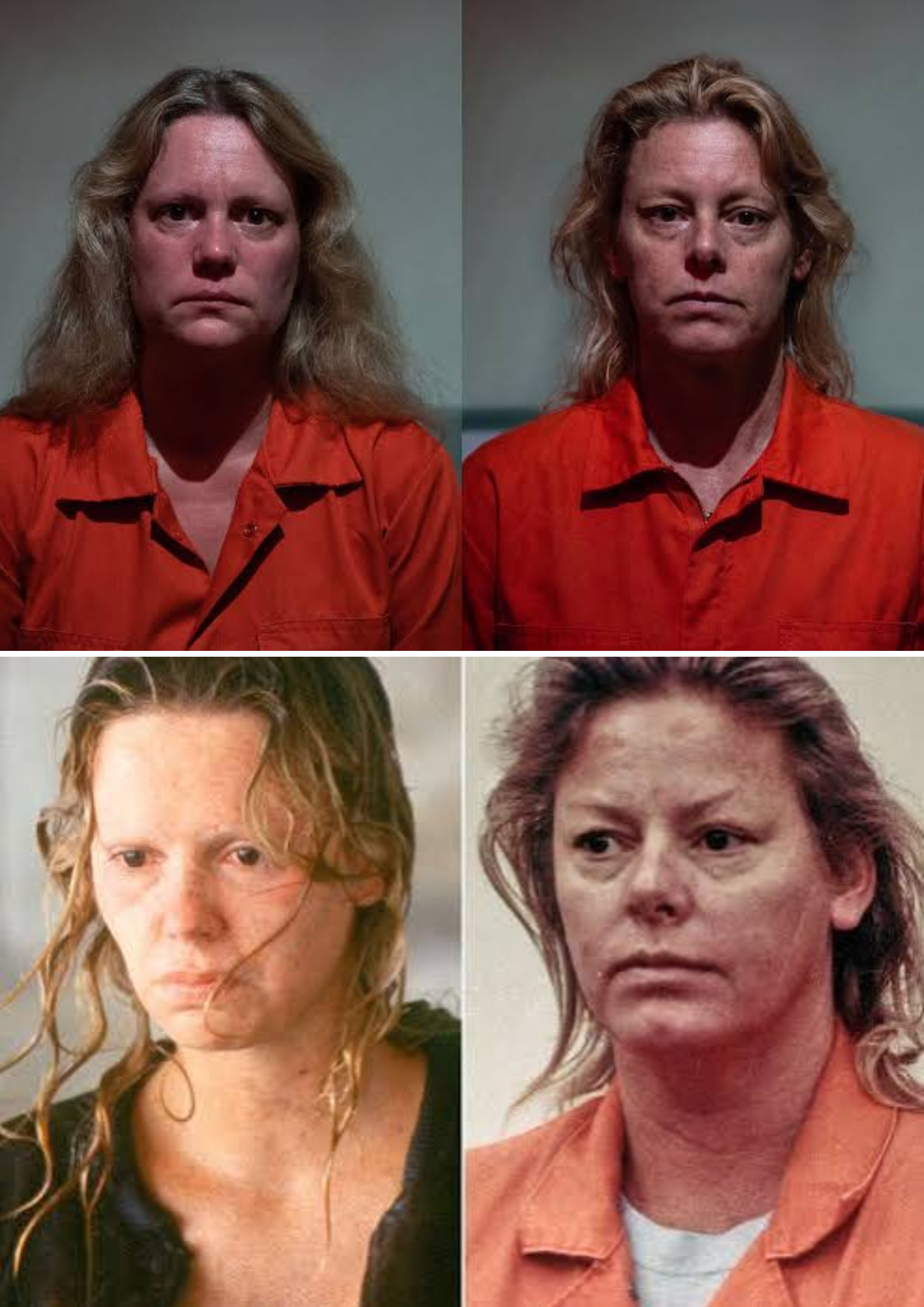
AILEEN WUORNOS: THE DARK STORY OF AMERICA’S MOST INFAMOUS FEMALE SERIAL KILLER — SEVEN MEN DEAD, SIX DEATH SENTENCES AND A FINAL EXECUTION
Her childhood was marked by abandonment and abuse. Years later, Aileen Wuornos became one of America’s most notorious female serial killers after a series of highway murders in Florida. Convicted of killing six men and confessing to seven killings, she was executed in 2002 at the age of 46. Decades later, her life and crimes continue to raise difficult questions about trauma, violence, justice and the criminal mind.
Aileen Carol Wuornos remains one of the most widely discussed female serial killers in American criminal history. Her case shocked the country not only because of the number of victims but also because of the troubled life that preceded her crimes.
Between 1989 and 1990, seven men were killed in separate incidents across Florida. Their bodies were discovered in wooded areas and locations near highways, triggering an extensive investigation that eventually led authorities to Wuornos.
She was arrested in January 1991 and ultimately convicted of murdering six men. Although she confessed to killing seven, the body of one alleged victim was never recovered, and she was never formally prosecuted for that death.
Her case attracted enormous media attention, particularly because Wuornos initially maintained that she had acted in self-defense after being sexually assaulted or threatened by the men. Prosecutors, however, argued that the killings were motivated by robbery and financial gain.
 A TROUBLED CHILDHOOD AND A LIFE MARKED BY ABANDONMENT
Aileen Carol Wuornos was born on February 29, 1956, in Rochester, Michigan.
Her early life was deeply unstable. Her parents separated before she was born, and her mother left Aileen and her older brother, Keith, in the care of their maternal grandparents.
The children were raised believing their grandparents were their parents. Aileen reportedly did not learn the truth about her family relationships until she was around 10 or 12 years old.
Her childhood was reportedly marked by neglect, instability and abuse. Wuornos later alleged that she had been physically and sexually abused by her grandfather.
She also experienced difficulties at school and repeatedly ran away from home.
At approximately 14, she became pregnant and gave birth to a son in March 1971. The child was placed for adoption shortly after birth.
By her teenage years, Wuornos had become increasingly disconnected from her family and traditional home life. After her grandmother died in 1971, she was eventually forced to leave the family home.
She spent periods living outdoors, sleeping in abandoned vehicles and surviving through unstable work and prostitution.
Those early experiences would later become an important part of discussions surrounding her psychological background, although they do not excuse the crimes for which she was convicted.
 HER RELATIONSHIP WITH TYRIA MOORE
In 1986, Wuornos met Tyria Moore at a bar in Daytona Beach, Florida.
The two women developed a romantic relationship and eventually began living together.
Moore worked various jobs, including housekeeping, while Wuornos supported herself through sex work along Florida highways.
Their relationship would later become central to the murder investigation.
According to court records, Wuornos began telling Moore about the killings after returning from encounters with men along the highways.
As investigators began connecting a series of murders, Moore eventually cooperated with police.
She agreed to participate in recorded telephone conversations with Wuornos, helping investigators obtain statements that became important evidence in the case.
SEVEN MEN CONNECTED TO THE FLORIDA MURDER INVESTIGATION
Between late 1989 and November 1990, authorities connected Wuornos to the deaths of seven men.
The victims included:
- Richard Mallory, 51: An electronics repair shop owner whose death in December 1989 became the first murder for which Wuornos was prosecuted.
- David Spears: A victim whose body was discovered in Citrus County, Florida.
- Charles Carskaddon: A 40-year-old man whose death became one of the cases against Wuornos.
- Peter Siems: A man whose vehicle was connected to the investigation. His body was never recovered, and Wuornos was never formally charged with his murder.
- Troy Burress: A victim whose death was part of the series of killings in 1990.
- Charles Richard Humphreys: A retired police chief whose death became another major part of the investigation.
- Walter Jeno Antonio: Another victim whose killing resulted in a separate conviction and death sentence.
The cases shared several similarities. The men were found in isolated areas, many had been shot, and investigators discovered connections involving stolen vehicles and personal belongings.
The investigation eventually focused on Wuornos after forensic evidence, fingerprints and other information connected her to the victims.
THE ARREST THAT BROUGHT THE INVESTIGATION TO A TURNING POINT
On January 9, 1991, Wuornos was arrested at the Last Resort bar in Port Orange, Florida.
At the time, investigators were already examining her possible involvement in the series of killings.
Moore was located in Pennsylvania and later returned to Florida to cooperate with authorities.
Police arranged recorded telephone conversations between the two women. During these calls, Wuornos made statements about the killings.
She eventually confessed to killing seven men, although she continued to offer explanations involving self-defense.
The recordings became a significant part of the prosecution’s case.
The arrest marked the end of a major investigation that had drawn attention across Florida and throughout the United States.
THE TRIAL THAT SHOCKED AMERICA
Wuornos’s first murder trial concerned the death of Richard Mallory.
The trial began in January 1992.
During the proceedings, Wuornos claimed that Mallory had sexually assaulted and attacked her, forcing her to shoot him in self-defense.
There was an important detail surrounding Mallory’s background: he had previously served time for attempted sexual assault. However, the court restricted the use of certain evidence concerning his past during the trial.
Prosecutors argued that the killing was not an act of self-defense and presented evidence connecting Wuornos to the crime.
On January 27, 1992, the jury found her guilty of first-degree murder and robbery.
Four days later, on January 31, she was sentenced to death.
Over the following months, Wuornos entered guilty or no-contest pleas in several additional murder cases.
By February 1993, she had received six separate death sentences.
The case became one of the most widely publicized criminal proceedings involving a female serial killer in American history.
HER CLAIMS OF SELF-DEFENSE AND THE QUESTIONS THAT REMAINED
Throughout the investigation and legal proceedings, Wuornos gave different explanations for why she had killed the men.
Initially, she maintained that the victims had attempted to sexually assault her or threatened her during encounters.
Prosecutors disputed those claims, arguing that robbery and financial motives played a significant role.
Her mental health also became an important issue during the years she spent on death row.
Experts and observers debated the effects of her traumatic childhood, psychological condition and whether she fully understood the legal consequences of her decisions.
Her case became the subject of broader discussions about violence against women, childhood trauma, mental illness and the criminal justice system.
However, the legal outcome remained unchanged: she was convicted of six murders and sentenced to death in each case.
HER FINAL YEARS ON DEATH ROW
Wuornos spent more than a decade awaiting execution at a Florida prison.
During that period, she became increasingly outspoken about her crimes and her desire to be executed.
At different points, she expressed conflicting views about her actions and the events surrounding the murders.
She eventually dismissed her appeals attorneys, despite their efforts to challenge the death sentences.
Questions were also raised about her mental competence and whether she was capable of making informed decisions regarding her appeals.
In 2002, Florida authorities determined that she was competent to proceed with execution following psychiatric evaluations.
Her case continued attracting public attention, with journalists, filmmakers and researchers examining her life and the circumstances that led to the killings.
AILEEN WUORNOS WAS EXECUTED AT 46
On October 9, 2002, Aileen Wuornos was executed by lethal injection at Florida State Prison in Starke, Florida.
She was 46 years old.
Her reported final words included a reference to sailing with Jesus and returning, statements that attracted additional attention following her death.
Her remains were later cremated, and her ashes were scattered beneath a tree in Michigan.
Her execution brought an end to a case that had remained in the public eye for more than a decade.
THE STORY THAT BECAME A HOLLYWOOD FILM
Wuornos’s life later inspired numerous documentaries, books and dramatic productions.
One of the most famous portrayals appeared in the 2003 film Monster, starring Charlize Theron as Wuornos.
Theron’s performance received widespread critical acclaim and earned her the Academy Award for Best Actress.
The film explored Wuornos’s relationship with Tyria Moore, her troubled background and the murders that eventually led to her arrest.
More than two decades after the film’s release, interest in the case continued through documentaries and renewed examinations of the evidence.
Netflix’s 2025 documentary Aileen: Queen of the Serial Killers brought the story to a new generation of viewers.
A CASE THAT CONTINUES TO RAISE DIFFICULT QUESTIONS
Aileen Wuornos’s story remains deeply disturbing and complicated.
She was a woman whose early life was reportedly marked by abandonment, instability and abuse, but she also became responsible for a series of devastating crimes that took the lives of six men.
Her claims of self-defense, the evidence presented in court, her psychological condition and the circumstances surrounding her execution continue to be examined by historians, criminal justice researchers and documentary filmmakers.
For the victims’ families, the story is ultimately about the people who lost their lives and the families left behind.
Aileen Wuornos died on October 9, 2002, but the case remains one of the most recognizable and controversial chapters in the history of American true crime.