NEW CLAIM RAISES QUESTIONS ABOUT NOLAN WELLS’ FAMILY LIFE — BUT WHAT REALLY DO WE KNOW?

NEW CLAIM RAISES QUESTIONS ABOUT NOLAN WELLS’ FAMILY LIFE — BUT WHAT REALLY DO WE KNOW?
A new claim circulating online is raising questions about Nolan Wells’ relationship with his parents before his death.
The allegation suggests that Nolan may not have been living with his mother and stepfather in the way some people had assumed.
If true, that could add another layer to an already complicated case.
But there is an important question that should not be ignored:
Is this a verified fact — or simply another claim spreading online?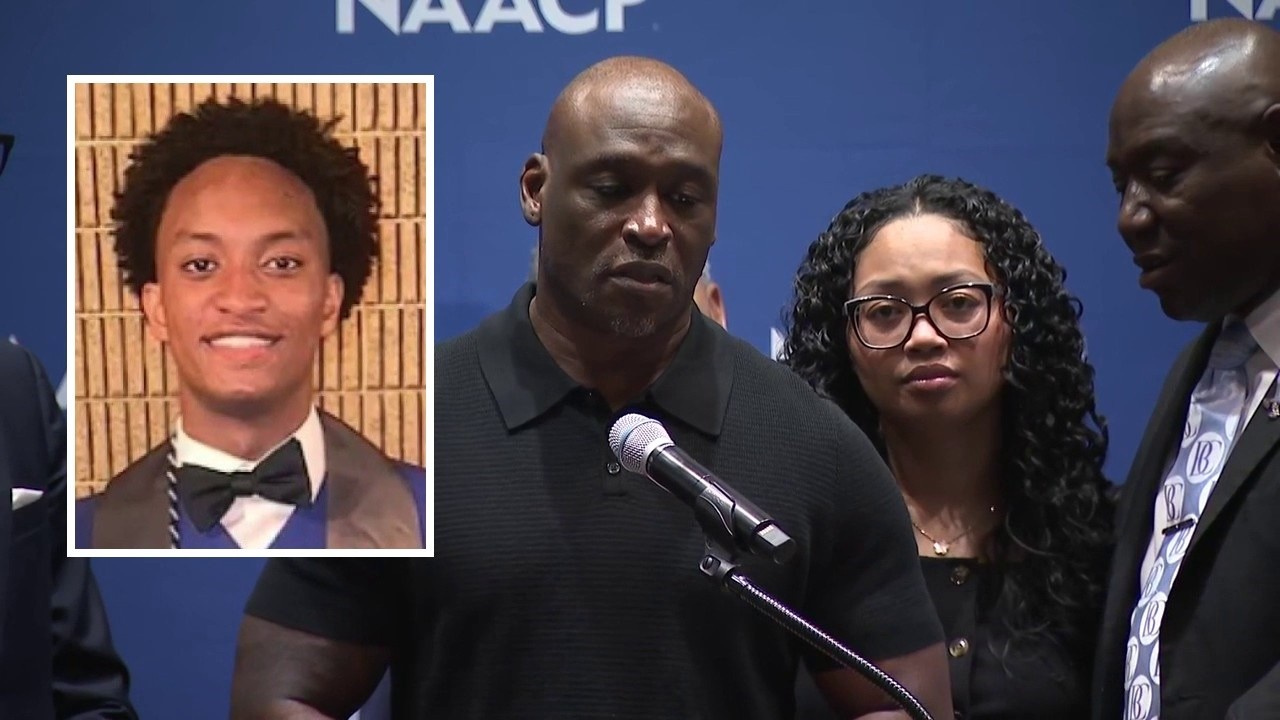
Nolan’s parents, Christine Wonsley and Elmore Wonsley, have publicly spoken about their son since his disappearance and death.
They have described Nolan as loving, kind and deeply connected to his family.
They have also continued to demand answers about what happened to him during the Fourth of July trip to Horn Island.
That makes the newest claim particularly interesting.
What was Nolan’s relationship with his parents really like?
Where was he living before his death?
Who was closest to him in his everyday life?
And could understanding Nolan’s personal life provide investigators with important context about his final days?
Those are reasonable questions.
But they should not automatically lead to accusations.
There is currently no established evidence proving that Nolan was estranged from his parents or that he did not have a meaningful relationship with them.
In fact, everything publicly known about the aftermath of his disappearance shows his parents becoming deeply involved in the search for answers.
They questioned the circumstances surrounding his decision to remain on Horn Island.
They questioned aspects of the timeline.
They sought additional information about his phone.
And they pursued an independent investigation into their son’s death.
For a grieving family, those actions are hardly surprising.
When a child dies unexpectedly and important questions remain unanswered, parents may search for explanations anywhere they can.
But the investigation still has to separate facts from assumptions.
A family disagreement does not prove a crime.
A complicated relationship does not establish motive.
And an online allegation does not become evidence simply because thousands of people repeat it.
That distinction is especially important in Nolan’s case.
His death has already generated enormous speculation.
Every new claim seems to create another theory.
Every unanswered question becomes another opportunity for someone online to fill in the blanks.
But the truth may be far more complicated.
Investigators still have to determine exactly what happened during Nolan’s final hours.
They have to reconstruct the timeline.
They have to examine physical and digital evidence.
And they have to determine which accounts can be independently supported.
The question about Nolan’s relationship with his parents may eventually become relevant.
Or it may have nothing to do with what happened on Horn Island.
Right now, there simply isn’t enough verified information to say.
And perhaps that is the most important thing to remember.
Nolan was not just the center of an internet mystery.
He was an 18-year-old young man with a family, friends, dreams and a future.
His death left people searching for answers.
His parents are still grieving.
And the investigation remains unfinished.
So the question should not be:
“What does this new claim prove?”
The better question is:
“Can this claim actually be verified?”
Because in a case surrounded by emotion, speculation and conflicting accounts, the difference between a genuine clue and an unverified rumor could be enormous.
And until investigators establish the facts, one question continues to hang over the entire case:
WHAT REALLY HAPPENED TO NOLAN WELLS?