Alex Boutin Wanted to Get Bigger at 17. His Sister Says the Pursuit Changed Him for 16 Years
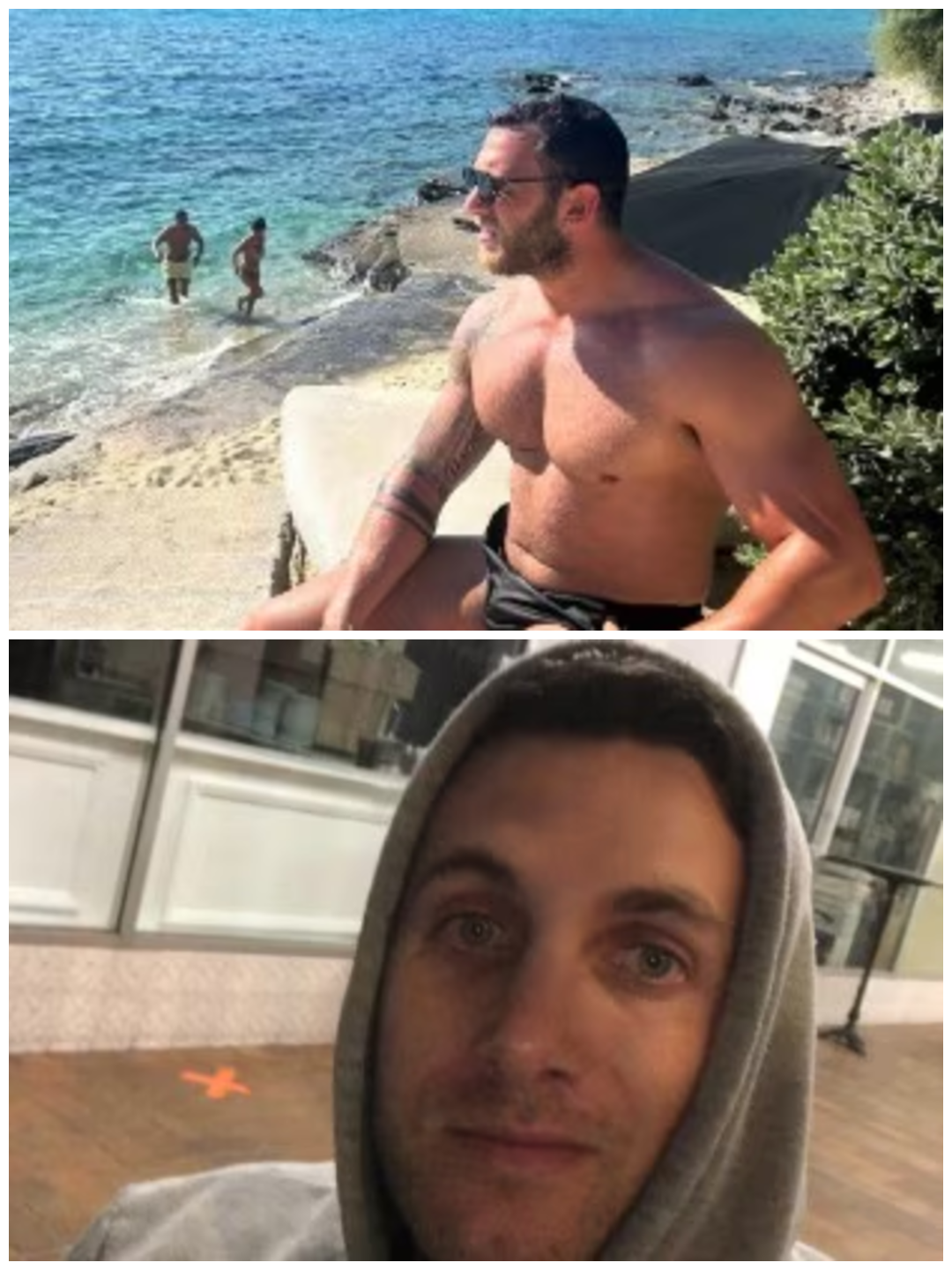
When Isabella Boutin looks through old family photographs of her younger brother Alex, she remembers someone very different from the man he eventually became.
To her, Alex had once been a sweet, vulnerable boy who lacked confidence. But at about 17, after a breakup left him feeling insecure about being small and skinny, he began going to the gym with a simple goal: he wanted to get bigger.
What followed, Isabella says, was not the confidence-building transformation he may have imagined. It became a 16-year struggle involving steroids, injectable peptides, anxiety, aggression and an increasingly consuming need to maintain a muscular body.
Alex died at 33 on October 16, 2024, after collapsing at his Sydney home.
Nearly two years later, his sister is telling his story as concern grows over young Australian men turning to unregulated peptides and other body-enhancing substances in pursuit of physiques that experts say may be impossible to achieve safely.
A Teenage Trip to the Gym Changed Everything
According to Isabella, Alex entered the gym during an emotionally vulnerable period of his life.
He had recently been rejected by a girlfriend who, she said, had described him as small and skinny. Like many teenagers, he wanted to change his appearance and bulk up.
At the gym, however, he encountered older, much larger men who introduced him to steroids. Isabella said they offered the drugs as a way for him to gain size more quickly.
From there, she watched the brother she knew begin to change.
Over the next 16 years, Alex used steroids and unregulated injectable peptides. His sister said he spent more than a decade taking such substances, all recommended by people without medical qualifications. After his death, police found a collection of bodybuilding drugs at his home, including substances used to restore testosterone production.
Isabella described a long emotional deterioration alongside the physical pursuit. Alex became more aggressive and anxious, she said, while his dependence on the drugs deepened.
For his sister, the transformation was especially painful because she still remembered the person underneath it.
Alex, she said, had been a “really sweet boy.”
Bigger Became a Feeling of Control
Isabella came to believe her brother was also struggling with an undiagnosed eating disorder centered on his perception of his own size.
She sometimes described what she saw as “megarexia,” comparing his experience to the distorted body perception associated with anorexia.
When Alex was muscular, Isabella said, he seemed to feel in control. When he stopped taking the substances, his emotional state could crash and he would become distressed about feeling small again.
Eating disorder dietitian Alex Rodriguez said the use and sharing of unregulated peptides within Australian gym communities has become a worrying trend, particularly as more young men experience eating disorders.
The pressure surrounding muscularity can begin early.
The Butterfly Foundation’s most recent BodyKind Youth Survey found that 84 percent of boys between 12 and 18 wanted to be more muscular. The organization estimates that about 365,000 men in Australia are living with an eating disorder.
Mel Wilton, the Butterfly Foundation’s head of communications and engagement, said the growing use of unregulated peptides is especially concerning when the substances are promoted to vulnerable young people through online content or social circles.
The promise can be enormously appealing: a faster route to an ideal body.
But Wilton said that ideal may itself be unrealistic, while the methods being used to reach it can carry serious consequences.
The Drugs Are Moving Beyond the Gym
Peptides are short chains of amino acids involved in proteins in the body, and some peptide-based medicines and products are approved for use in Australia.
But another market has developed around unregulated peptides that have not been approved for human use.
They are promoted for a striking range of physical changes, including gaining muscle, losing fat, recovering from injuries, slowing signs of aging and even tanning. Unregulated peptides are illegal to import or sell in Australia.
The substances are no longer discussed only between people standing beside weight racks.
Information about them travels through bodybuilding communities, looksmaxxing forums, private online conversations and Telegram channels. Rodriguez described internet spaces where people intensely exchange advice about increasingly extreme ways to alter their appearances.
He also pointed to another problem: the bodies young people compare themselves with online may not be achievable naturally — and sometimes may not even be entirely real, with drug-enhanced physiques appearing alongside images altered by artificial intelligence.
Questions also remain about what buyers are actually receiving.
Studies cited in the source found that samples of enhancement drugs and peptides could contain doses substantially different from those advertised. Other testing identified contaminants including lead, arsenic and cadmium at levels outside permissible daily limits.
In June 2026, Australia’s Therapeutic Goods Administration said it had been notified of six cases of acute liver toxicity associated with the unapproved weight-loss peptide Retatrutide.
For Rodriguez, one of the central dangers is that users may have little idea what is actually in the products they are taking or what risks they are accepting.
A Night Out With Friends Ended in Tragedy
Alex’s years-long struggle ended suddenly.
On October 16, 2024, he had been out having dinner with friends. After returning home, he suffered a heart attack, according to his sister. A loved one later found him collapsed inside his Sydney home.
A post-mortem report listed myocarditis as his cause of death. Isabella said doctors told the family that Alex’s drug use would have affected his heart.
For her, his death became inseparable from the years she had watched him pursue a larger body while largely managing his drug use himself.
She said Alex did not routinely go to doctors or have his blood checked. Looking back, she believes that approach contributed to the devastating outcome.
The family albums now return Isabella to an earlier Alex — the boy before steroids, peptides and the pressure to become bigger took over so much of his life.
But she does not want his story to remain only inside those albums.
His Sister Wants Other People to Talk
Isabella is now hoping to create a discussion group for men and women who believe hormone growth drugs have negatively affected their lives.
Her goal is to give people a place to speak openly about what happened to them and, through those stories, make others more aware of the possible consequences.
For people already using such substances, she hopes Alex’s experience will encourage them to pay attention to their health, seek appropriate medical checks and, perhaps most importantly, stop dealing with their struggles entirely alone.
“And talk,” she said. “I think talking is one of the most powerful things you can do.”
For Isabella, that may now be the lasting purpose of telling the story of the vulnerable 17-year-old who walked into a gym hoping to change his body — and the brother she spent the next 16 years watching struggle to believe he was ever big enough.