THE TRUTH ABOUT PAMELA CISNEROS’ MENTAL HEALTH STRUGGLES — THE YEARS OF CRISIS BEFORE TIMES SQUARE
THE TRUTH ABOUT PAMELA CISNEROS’ MENTAL HEALTH STRUGGLES — THE YEARS OF CRISIS BEFORE TIMES SQUARE
Long before Pamela Cisneros became the woman at the center of a deadly Times Square attack, her family says she had already been fighting a serious and complicated mental-health battle.
For years, relatives described periods when Pamela appeared stable — followed by moments of profound psychological crisis.
Now, details about those years are emerging following the August 31 attack that left Erin Piacenti, 32, dead and another man injured.
But one important question remains unanswered:
Did anything change before the attack?
 THE 2019 CRISIS
According to family members and law-enforcement sources, Pamela had a serious mental-health crisis in March 2019, when she jumped onto the tracks of the E train at a Queens subway station.
She survived and was taken for medical treatment.
Her brother, Patrick Peralta, later said Pamela was hospitalized following the incident and received psychiatric care, including treatment at Jamaica Hospital and Bellevue Hospital.
Police records also show Pamela had another mental-health-related encounter with officers in 2018.
These incidents became part of a much larger history that her family says stretched back years.
 HER FAMILY SAYS POSTPARTUM DEPRESSION WAS PART OF THAT HISTORY
Peralta has also said Pamela experienced postpartum depression after the birth of her second child.
He described his sister as someone who struggled with mental illness but was not known by the family to be violent toward other people.
That distinction is important.
Her family says the problems they witnessed were largely directed inward, including previous crises and a suicide attempt — not attacks on strangers.
There has been speculation about a possible bipolar diagnosis, but Peralta himself described it as something he believed she might have had rather than a diagnosis he could definitively confirm publicly.
THEN SHE APPEARED TO FIND STABILITY
In the years that followed, Pamela’s family said treatment appeared to help.
Her brother said she had been receiving monthly medication injections and had seemed more stable for several years.
Her father, Mario Cisneros, also said Pamela had been receiving monthly injections for a mental-health condition and appeared to be doing well when he saw her shortly before the Times Square attack.
But relatives later raised questions about whether something had changed.
Peralta wondered whether Pamela may have stopped receiving her injections.
That remains a family concern, not an established fact.
There is currently no official finding that stopping medication caused or contributed to the Times Square attack.
THE DIVORCE AND OTHER PRESSURES
Pamela’s mental-health history unfolded alongside major changes in her personal life.
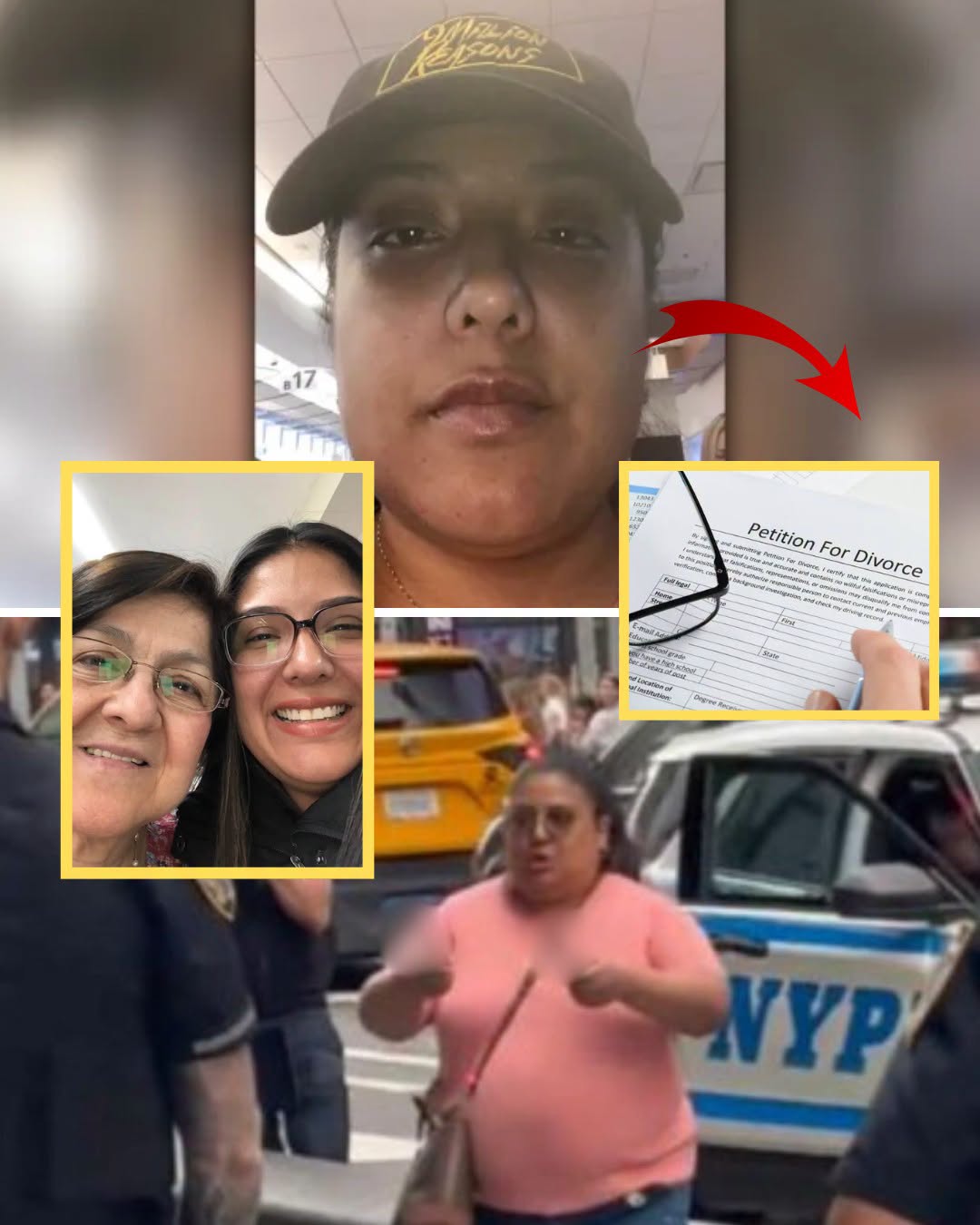
Her marriage eventually broke down, and divorce proceedings began in 2020.
Court records also show she faced difficulties involving employment and family circumstances.
To those who knew her, however, these struggles did not necessarily make her appear dangerous.
Neighbors and relatives described a woman who could seem completely ordinary despite the difficulties happening behind closed doors.
THEN CAME TIMES SQUARE
On August 31, Pamela, 49, allegedly approached strangers in the middle of Times Square carrying two knives.
Police said the attacks appeared to be random and unprovoked.
A 68-year-old man was stabbed and survived.
Seconds later, Erin Piacenti, a 32-year-old Bank of America executive and new mother, was fatally stabbed.
Pamela then encountered NYPD officers.
Police said officers repeatedly ordered her to drop the knives. Several Tasers were deployed but appeared ineffective.
When she allegedly moved toward officers while still holding the knives, two officers fired their service weapons.
Pamela was taken to Bellevue Hospital, where she died.
New York’s Attorney General’s Office of Special Investigation has opened an investigation into her death during the police encounter.
WHAT CHANGED?
That may now be one of the most important unanswered questions.
Pamela’s family says she had spent years receiving treatment and had appeared relatively stable.
Her father said he had seen her shortly before the attack and believed she was doing fine.
So what happened between that apparently ordinary period and the chaos that unfolded in Times Square?
Was she still receiving treatment?
Had something changed in her personal life or mental state?
And why did a woman her family described as someone who had never been violent toward others suddenly become involved in a deadly attack?
Those questions remain unanswered.
What is clear is that Pamela’s story did not begin in Times Square.
For years, her family says, there had been a struggle happening largely out of public view.
And now, after one woman lost her life and another family’s world was shattered, those hidden years are being examined more closely than ever.