“DON’T WORRY, DAD. I’M FINE.” — PAMELA CISNEROS’S FATHER THOUGHT HIS DAUGHTER HAD FINALLY TURNED A CORNER
“DON’T WORRY, DAD. I’M FINE.” — PAMELA CISNEROS’S FATHER THOUGHT HIS DAUGHTER HAD FINALLY TURNED A CORNER
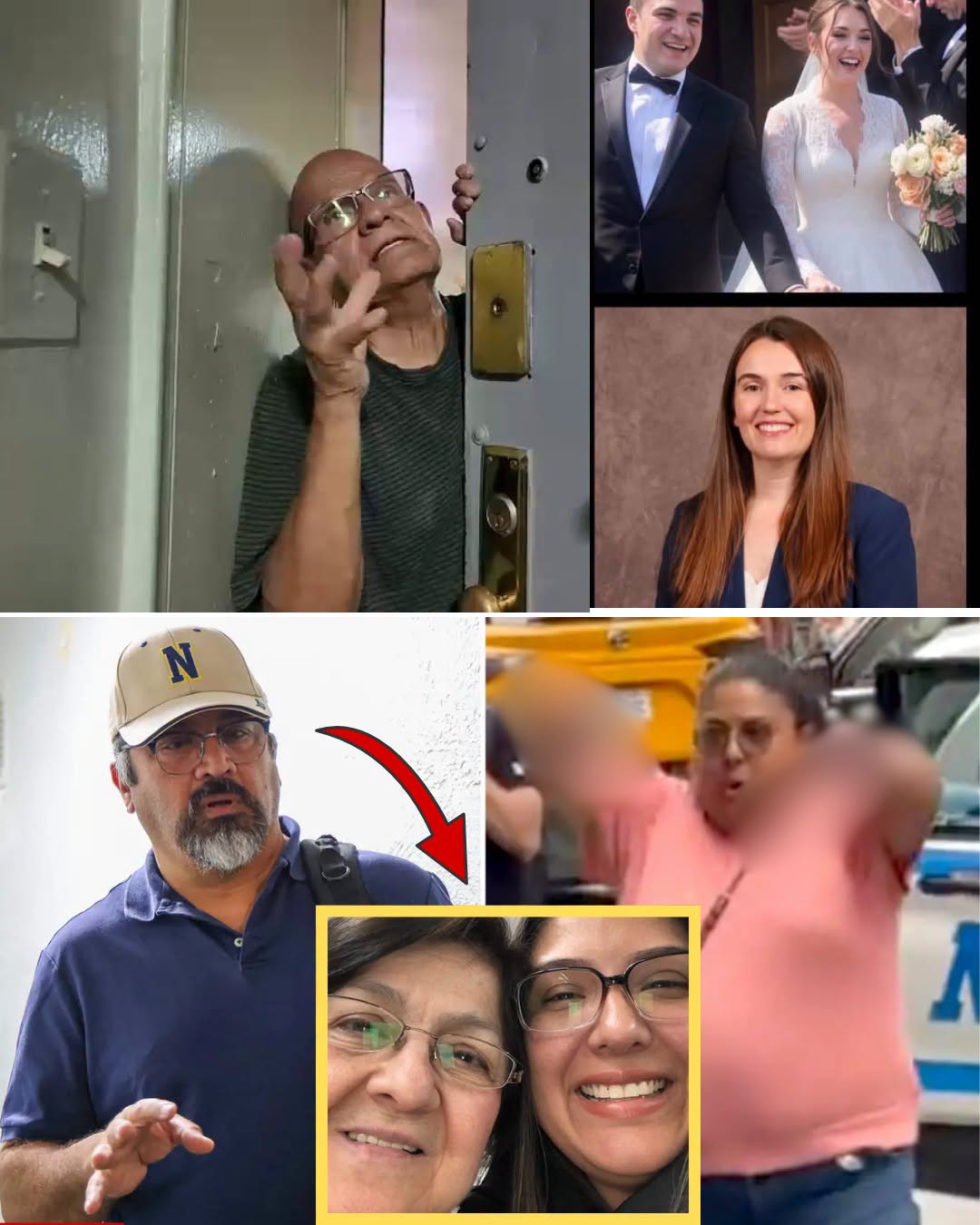
He had spent years helping his daughter through some of the darkest moments of her life. So when Pamela Cisneros told her father she could handle a treatment appointment on her own, he believed her.
“Don’t worry, Dad. I’m fine.”
That was how Mario Cisneros remembered Pamela responding when he offered to drive her to a mental-health appointment in April 2026.
For years, her father had been closely involved in her treatment.
After a serious mental-health crisis in 2019, Pamela’s family became deeply involved in helping her stay on track. Her father said she received regular medication injections, and for several years, he believed the treatment had helped stabilize her.
Her brother, Patrick Peralta, similarly said Pamela had appeared to be doing well for years and had never shown aggression toward other people.
So when Pamela said she could go to the appointment herself, her father believed it was a sign of progress.
He had no reason to think that conversation would later become one of the most haunting memories of his daughter’s final months.
 A FAMILY THOUGHT SHE WAS DOING BETTER
Pamela, 49, had lived with serious mental-health difficulties for years.
Her family has described a particularly difficult period in 2019, when she experienced a severe crisis. Police also confirmed that she had documented mental-health-related encounters with the NYPD in 2018 and 2019.
But the years that followed seemed different.
Her relatives believed treatment had helped.
Her brother said she had been stable for roughly four or five years.
She visited family. She attended gatherings. She maintained an outwardly ordinary life in Queens.
And according to her father, she appeared fine when he saw her roughly a week before the Aug. 31 attack.
Nothing, from his perspective, suggested what was about to happen.
 THEN SOMETHING CHANGED
Pamela’s personal life had also become increasingly complicated.
Her marriage had broken down, with divorce proceedings beginning in 2020 and the case not concluding until 2025.
She had three daughters, but family relationships had become strained. Two of her daughters lived in Florida with their father, while another lived in a care facility in Brooklyn, according to her brother.
Pamela had also experienced professional and financial difficulties.
Yet none of those circumstances alone explains what happened next.
And investigators have not publicly established a single motive connecting those struggles to the Times Square attack.
That distinction matters.
Her family saw someone who had endured years of difficulties but appeared, at least from the outside, to have regained some stability.
THE FINAL DAYS
In the days before the attack, relatives noticed something unusual.
According to her brother, Pamela had stopped making some of her usual visits to family.
That absence was concerning precisely because it was not normal for her.
Family members began calling to check on her.
On the Saturday before the attack, Pamela reportedly reassured her mother that she was fine. Her brother later recalled that Pamela had seemed “fine” and “normal” when he last saw her in person in early August.
Her father, meanwhile, said he had seen her about a week before the attack and noticed nothing that made him believe she was in immediate danger.
Then came Monday.
THE ATTACK THAT SHOCKED TIMES SQUARE
On Aug. 31, Pamela appeared in Times Square carrying two knives.
Police said she attacked two strangers in a matter of seconds.
The first victim, 68-year-old Tak Kam, survived.
The second victim was 32-year-old Erin Piacenti, a Bank of America executive and new mother.
Piacenti had recently returned to work after maternity leave.
She never made it home.
Pamela was confronted by NYPD officers moments later.
Authorities said officers repeatedly ordered her to drop the knives and used Tasers, but the weapons did not stop her. Police said she then advanced toward officers while holding the knives, prompting two officers to open fire.
Pamela was taken to a hospital and died.
The attack left one woman dead, another victim injured and a family struggling to understand how the daughter they believed was doing better had reached that moment.
“WE DON’T UNDERSTAND”
For Mario Cisneros, perhaps the most painful part is the contrast.
He had seen his daughter during the week before the attack.
She appeared fine.
Months earlier, when he offered to accompany her to treatment, she had told him not to worry.
He believed her.
Now, he is left wondering what he did not see.
“I knew my daughter very well but I didn’t know what was going on with her,” Mario said in an interview reported after the attack.
His family has emphasized that Pamela had not previously been violent toward other people.
That makes the events of Aug. 31 even harder for them to comprehend.
WHAT HAPPENED IN THOSE MISSING MONTHS?
That may be the central unanswered question.
Something appears to have changed between the period when Pamela’s family believed she was stable and the afternoon she entered Times Square carrying knives.
But exactly what changed remains unclear.
There is no public evidence establishing that a particular treatment decision, her divorce, her family circumstances or any single personal setback caused the attack.
There is also no indication that her relatives could have known exactly what was coming.
What they did know was that Pamela had struggled before.
They had helped her through those struggles.
They believed she had reached a better place.
And then, in the final months of her life, the warning signs they did notice were subtle enough to be mistaken for something far less serious.
For Pamela’s family, the words “Don’t worry, Dad. I’m fine” now carry a meaning they could never have imagined at the time.
For Erin Piacenti’s loved ones, the consequences are even more devastating.
A young mother went to work in Manhattan and never returned home.
And behind the shocking Times Square attack is a second, quieter story — one about a family that believed a loved one was finally getting better, only to discover that there were struggles they could no longer see.