The Trial Made Headlines. Their Dad Wants America to Remember Cora, Dawson and Callan as Children — Not Just Victims
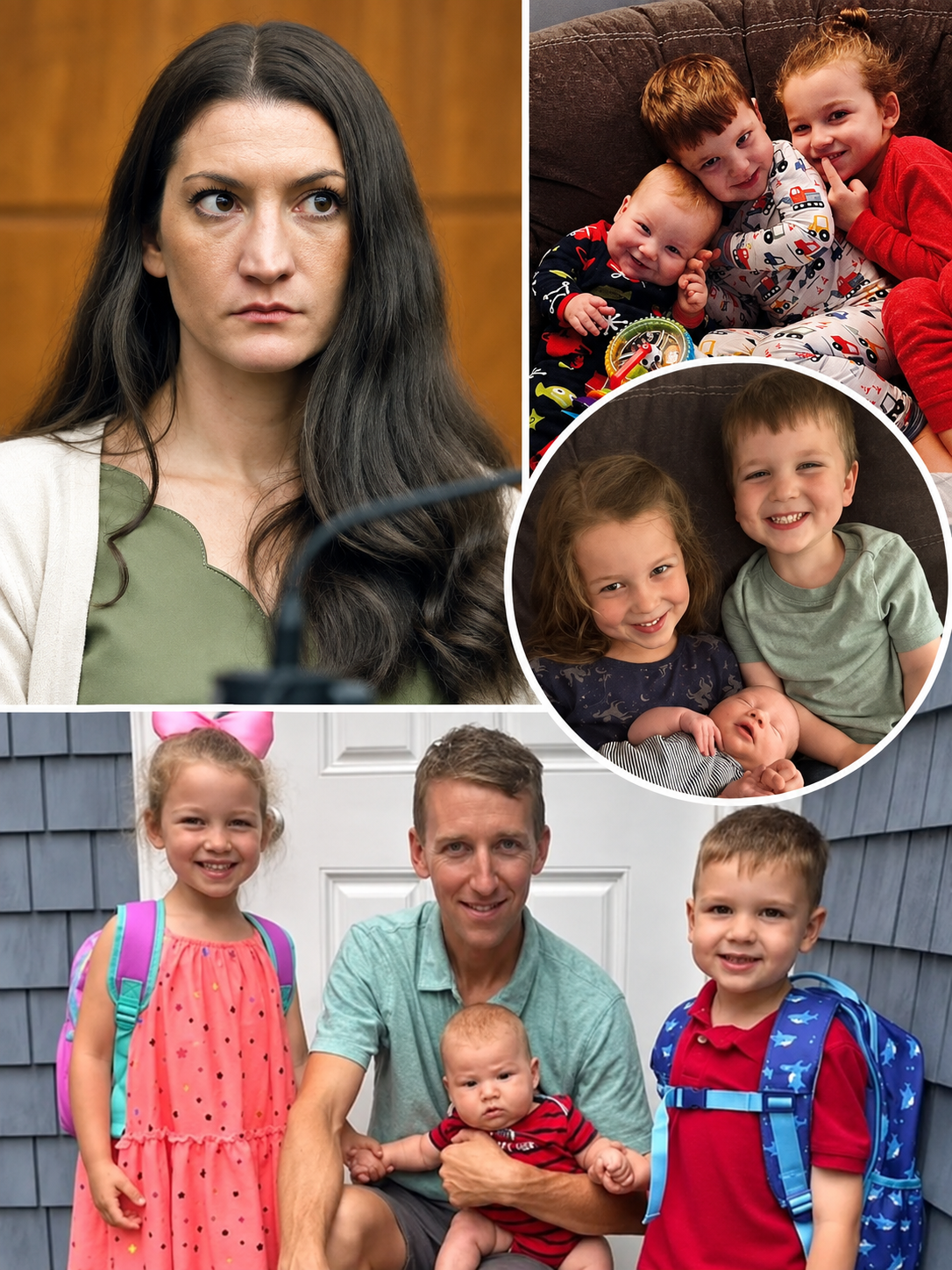
For weeks, the names Cora, Dawson and Callan Clancy were heard inside a Massachusetts courtroom surrounded by words no parent would ever want connected to their children: murder, psychosis, criminal responsibility, evidence and mistrial.
Their father, Patrick Clancy, wants people to remember something else.
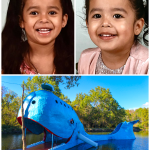
Cora loved princesses and taking care of people.
Dawson loved firefighters, trucks and “Paw Patrol.”
Callan was, as his father described him simply, “a happy baby.”
Now, weeks after the murder trial of their mother ended without a verdict, Patrick is speaking publicly about the three children at the center of a case that has drawn national attention — and about the private ritual that has helped him live with their absence.
He still talks to them.
“All the time,” Patrick said in a preview of an upcoming “60 Minutes” interview.
Asked what he says to Cora, Dawson and Callan, his answer was only two words:
“Help me.”
Patrick said he likes to believe they do.
“It’s a way I stay connected to them,” he explained.
It is a remarkably quiet admission after a case dominated by some of the loudest and most painful questions imaginable.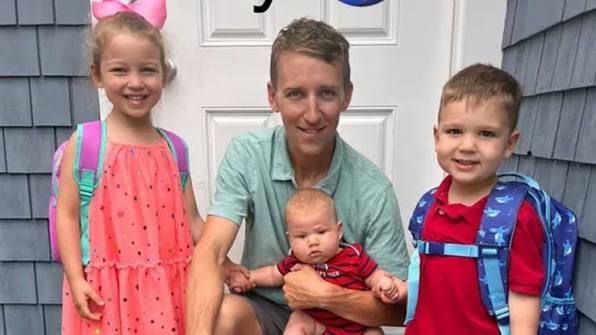
Three children behind a national court case
Cora was 5, Dawson was 3 and Callan was 8 months old when they died at the family’s Duxbury, Massachusetts, home on January 24, 2023.
Their mother, Lindsay Clancy, was charged with murder and other offenses in their deaths. She has pleaded not guilty based on a lack of criminal responsibility.
Her defense argued at trial that she was suffering from severe postpartum psychosis and could not appreciate the wrongfulness of her actions at the time.
Prosecutors disputed that conclusion, arguing that evidence showed planning and purposeful behavior.
After nearly 40 hours of deliberations, the jury could not reach a unanimous verdict. Judge William Sullivan declared a mistrial on September 4, 2026.
Jurors who later spoke publicly said the panel had been split 11-1, with 11 jurors prepared to find Lindsay not criminally responsible. Prosecutors had not announced as of mid-September whether they would seek another trial. A court hearing was scheduled for September 29.
But amid months of testimony about psychiatric treatment, medications, expert opinions and legal standards, another story sometimes struggled for space.
It was the story of three children who existed long before they became exhibits and evidence.
Cora was the one who cared for people
When Patrick took the witness stand during the trial, prosecutors showed him photographs of his children.
Describing Cora appeared difficult.
She was “into princesses,” he said.
“She had a lot of friends. And she just liked taking care of people.”
Other testimony filled in small pieces of her world.
A nanny who had cared for the family described Cora as a “girly girl” who enjoyed arts and crafts and playing with toys. She liked the Dr. Seuss story “Green Eggs and Ham” enough that she would eat green eggs and ham made for her at home.
She did gymnastics. She swam. Patrick took her skiing. She had started soccer, although, according to her father, she was not especially enthusiastic about it.
Family photographs presented during the trial often showed Cora smiling, sometimes wearing a large bow in her hair.
Only weeks before her death, the family had celebrated her fifth birthday.
That ordinary detail — a birthday party, a little girl surrounded by people who loved her — stood in painful contrast to the courtroom where the photograph was eventually displayed.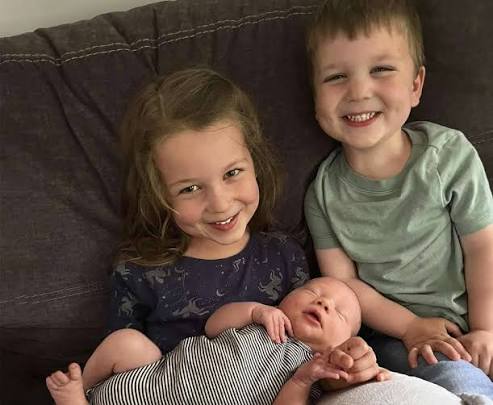
Dawson was “full of energy”
Dawson was three.
His interests were exactly the kind many parents of young children would immediately recognize.
Firefighters.
Trucks.
“Paw Patrol.”
A nanny described him during testimony as “full of energy, rambunctious, funny, silly.”
He and Cora were active together, swimming and doing gymnastics. The family had also recently visited Boston’s Museum of Science and an indoor water park on Cape Cod.
On the final morning of his life, Patrick remembered another tiny milestone.
Dawson dressed himself completely on his own for the first time.
Later that day, the children played outside in the snow and made art projects at home. Photographs from those hours captured a family day whose significance no one could have known at the time.
Callan was simply “Happy Callan”
Callan was only eight months old.
There were fewer stories to tell because he had barely begun his life.
When Patrick was asked what his youngest child was like, he did not need a long description.
“He was just a happy baby,” he told the court.
Family photographs showed his round baby face between his older brother and sister.
“Happy Callan” became one of the names by which he was remembered.
For Patrick, those distinctions matter.
His children were not interchangeable symbols of tragedy.
They were three different people.
“Every mile, every day”
Patrick has tried before to make their names mean something beyond the circumstances of their deaths.
In April 2024, he ran the Boston Marathon as part of Boston Children’s Hospital’s Miles for Miracles team.
He finished in 3 hours, 59 minutes and 19 seconds and raised more than $75,000.
But the objects he carried were more personal than the fundraising total.
Patrick tied one of Cora’s hair bows to his racing jersey.
On one wrist, he wore a wristband that had belonged to Dawson.
On the other, he wore Callan’s bracelet.
Across the back of his jersey were their names and five words:
“In memory of Cora, Dawson & Callan. Every mile, every day.”
“They were my motivation,” Patrick said afterward. “It was therapeutic. It was purpose.”
He also explained what he wanted people to understand about his children.
“They had short lives,” he said, “but they had really good lives.”
That idea has followed him into 2026.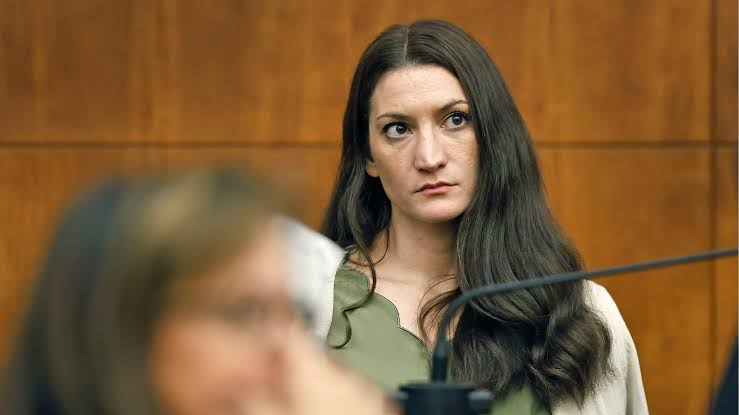
A father speaks after the mistrial
Patrick’s upcoming television interview comes after one of the most public periods of his life.
He testified during Lindsay’s trial and described both the deterioration he witnessed in her mental health and the children they shared.
He has previously said that he forgave Lindsay. During the trial, he also described her as a loving mother before the tragedy.
At the same time, the case generated a flood of online speculation, including unsupported conspiracy theories involving Patrick himself. His attorneys have rejected those allegations, and CBS described them as baseless in announcing the interview.
Patrick’s full interview is scheduled to air September 20.
But one short exchange released before the broadcast may say more about his life now than any legal argument could.
He still speaks to his children.
He asks them for help.
And he believes, in some way, that maintaining that conversation keeps them near him.
What happens next
The legal story is not over.
Lindsay Clancy’s attorneys are preparing arguments intended to prevent another trial on double-jeopardy grounds, while prosecutors still must decide whether they will try the case again. The next court proceeding is expected September 29.
That process will almost certainly produce more headlines about Lindsay, more arguments about psychiatric illness and criminal responsibility, and more debate over what happened inside the Clancy home in January 2023.
Patrick’s latest public comments point in another direction.
Back toward Cora.
Back toward Dawson.
Back toward Callan.
A girl who liked princesses and looked after people.
A little boy fascinated by firefighters and trucks.
And a baby whose defining characteristic, in the brief time his family had with him, was that he was happy.
The trial made their deaths national news.
Their father is trying to make sure their lives are remembered too.