JON VENABLES: JAMES BULGER’S KI//ER TO FACE PRIVATE PAROLE HEARING DESPITE MOTHER’S PLEA FOR PUBLIC SCRUTINY
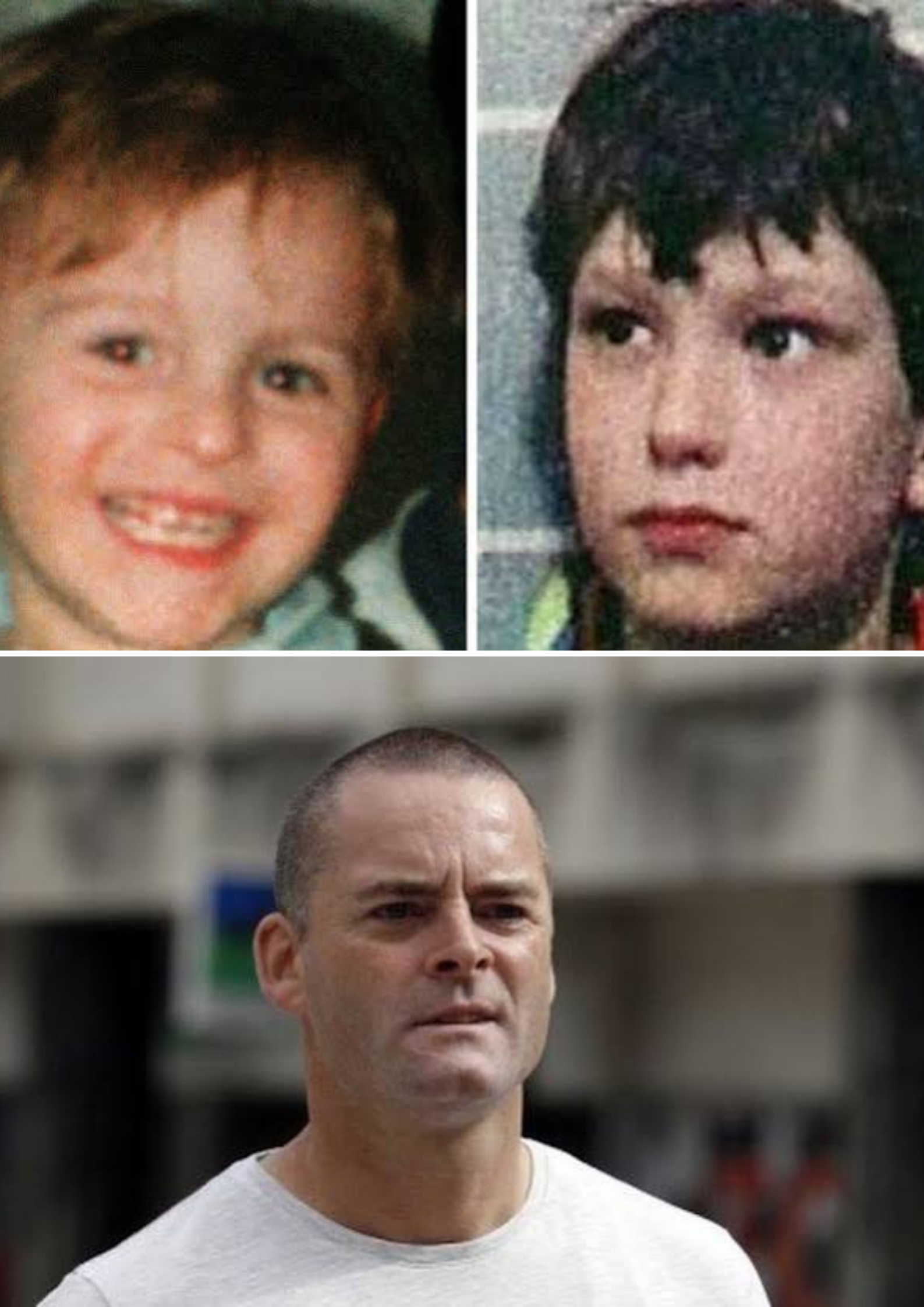
JON VENABLES: JAMES BULGER’S KILLER TO FACE PRIVATE PAROLE HEARING DESPITE MOTHER’S PLEA FOR PUBLIC SCRUTINY
Jon Venables is set to face another parole hearing — but the proceedings will take place behind closed doors despite a request from James Bulger’s mother for the case to be heard publicly.
The Parole Board has ruled that Venables’ latest bid for freedom will be considered at a private oral hearing, rejecting applications from Denise and Stuart Fergus and representatives for James Bulger’s family who had argued that greater transparency was needed.
The decision comes more than two years after Venables’ previous parole review was rejected.
Now 44, Venables has remained in prison since his most recent recall in 2017.
The case continues to attract intense public attention because of the circumstances of James Bulger’s murder and Venables’ subsequent convictions.
 JON VENABLES TO FACE ANOTHER PAROLE REVIEW
Venables was 10 years old when he and Robert Thompson abducted two-year-old James Bulger from a shopping centre in Bootle, Merseyside, in February 1993.
James was subsequently murdered.
Venables and Thompson were convicted of murder and became the youngest people in England to be convicted of murder in the 20th century.
Because they were children at the time of the offence, the two were initially detained under orders for life.
Venables was eventually released on licence in July 2001.
However, his freedom did not last permanently.
TWO RECALLS TO PRISON
Venables was recalled to prison in February 2010 after indecent images of children were discovered on his computer.
He was released again in August 2013.
In November 2017, however, he was recalled once more after another conviction relating to indecent images of children.
He has remained in custody since then.
A previous parole review in 2023 resulted in the Parole Board refusing his release.
The panel concluded at the time that he continued to pose a danger and that his risk could not safely be managed in the community.
The latest hearing will therefore examine his circumstances more than three years after that decision.
 JAMES BULGER’S MOTHER WANTED THE HEARING OPEN
Denise Fergus, James Bulger’s mother, had asked the Parole Board to allow the public to observe the hearing.
The application was made alongside one from Stuart Fergus, while legal representatives for James’s father Ralph Bulger and uncle Jimmy Bulger also sought a public hearing.
Their arguments were set out in an official Parole Board publication in August.
They said the extraordinary history of the case, Venables’ later offending, previous recalls to prison and questions surrounding risk management made it a case of significant public interest.
They also argued that a public hearing could help people better understand how parole decisions are made.
Another reason cited was the continuing spread of misinformation and speculation surrounding the case.
Denise Fergus said this had been retraumatising for her and argued that greater transparency could help address some of the misinformation surrounding her son’s murder.
THE PAROLE BOARD REJECTS THE PUBLIC HEARING REQUEST
Although public parole hearings are legally possible, they remain unusual.
The Parole Board’s guidance states that the normal position is for hearings to remain private because witnesses need to be able to give evidence openly and fully.
A hearing can be opened to the public if the Chair considers that doing so would be in the interests of justice.
In Venables’ case, however, John Saunders, acting on behalf of the Parole Board, decided that the high threshold required for a public hearing had not been met.
One of the major concerns was Venables’ safety.
The board said that making the hearing public could make it extremely difficult for him to give evidence because people seeking information about his identity or whereabouts could potentially be listening.
That risk is particularly significant because Venables has lifelong anonymity protections.
WHY HIS IDENTITY REMAINS PROTECTED
Venables and Thompson were children when they committed the murder.
Venables has subsequently lived under strict anonymity protections designed to prevent his identification.
Those protections are intended to reduce the risk of vigilante attacks and protect the possibility of rehabilitation following a childhood offence.
The Parole Board has previously expressed concerns that information disclosed during an open hearing could inadvertently contribute to identifying him.
That issue was also raised during the consideration of an earlier request for a public hearing in 2023.
The latest decision therefore reflects a continuing tension between transparency in the parole system and the need to protect Venables’ anonymity and safety.
THE FAMILY WILL STILL HAVE ACCESS TO THE PROCESS
The fact that the hearing will be private does not mean James Bulger’s family will necessarily be excluded from the proceedings.
Under reforms introduced nationally in April 2026, victims have been able to attend private parole hearings in certain circumstances.
A spokeswoman for Denise Fergus has previously confirmed that her application to observe the hearing had been granted.
This means the family can have a degree of access to the process even though members of the wider public and media will not be able to observe the hearing directly.
THE 2023 PAROLE DECISION
Venables’ last major parole review took place in 2023.
The Parole Board refused his application for release after determining that he still represented a risk.
That decision came after years of scrutiny of his behaviour following his original release.
His first release in 2001 was followed by the 2010 recall.
After being released again in 2013, he returned to prison in 2017.
The repeated recalls have become an important part of the debate surrounding any future release because the Parole Board must consider whether any risk can be safely managed in the community.
A DIFFERENT VENABLES THAN THE CHILD WHO WAS CONVICTED
The latest parole process also raises a difficult legal and social question.
Venables was a child when he committed the offence.
He is now 44.
The parole system therefore has to consider not only the extraordinary seriousness of the original crime but also his behaviour and risk over the decades since.
Previous release decisions have involved assessments of his conduct, rehabilitation and the possibility of managing risk outside prison.
However, the later convictions that led to his recalls remain part of the record that the parole authorities must consider.
WHAT HAPPENS NEXT?
The latest decision only determines how the parole hearing will be conducted.
It does not mean that Venables has been granted parole.
It also does not mean that he has been refused release.
The substantive decision about whether he should remain in prison or be released will be made after the oral hearing.
That decision could include consideration of risk assessments, evidence from professionals, his behaviour in custody, release plans and the ability to manage any risk in the community.
Until the panel reaches its decision, Venables remains in prison.
A CASE STILL SURROUNDED BY QUESTIONS
More than three decades after James Bulger was murdered, his name remains inseparable from one of Britain’s most closely watched child-crime cases.
For Denise Fergus, the latest parole process represents another chapter in a story that has shaped her life since 1993.
Her request for a public hearing was ultimately unsuccessful.
The Parole Board has instead decided that the hearing should remain private, citing the need to protect the integrity of the evidence and Venables’ safety.
That decision does not end the public debate over the case.
It simply means that the next stage of Venables’ parole journey will largely take place away from public view.
The central question now is no longer whether the hearing will be public.
That has been decided.
The question is what the parole panel will ultimately conclude about Jon Venables’ current risk — and whether, after years behind bars, he will remain in prison or be considered safe to return to the community.