THE REMARKABLE LIFE OF BETTY LOU WILLIAMS: FROM SIDESHOW ATTRACTION TO FAMILY BREADWINNER
THE REMARKABLE LIFE OF BETTY LOU WILLIAMS: FROM SIDESHOW ATTRACTION TO FAMILY BREADWINNER
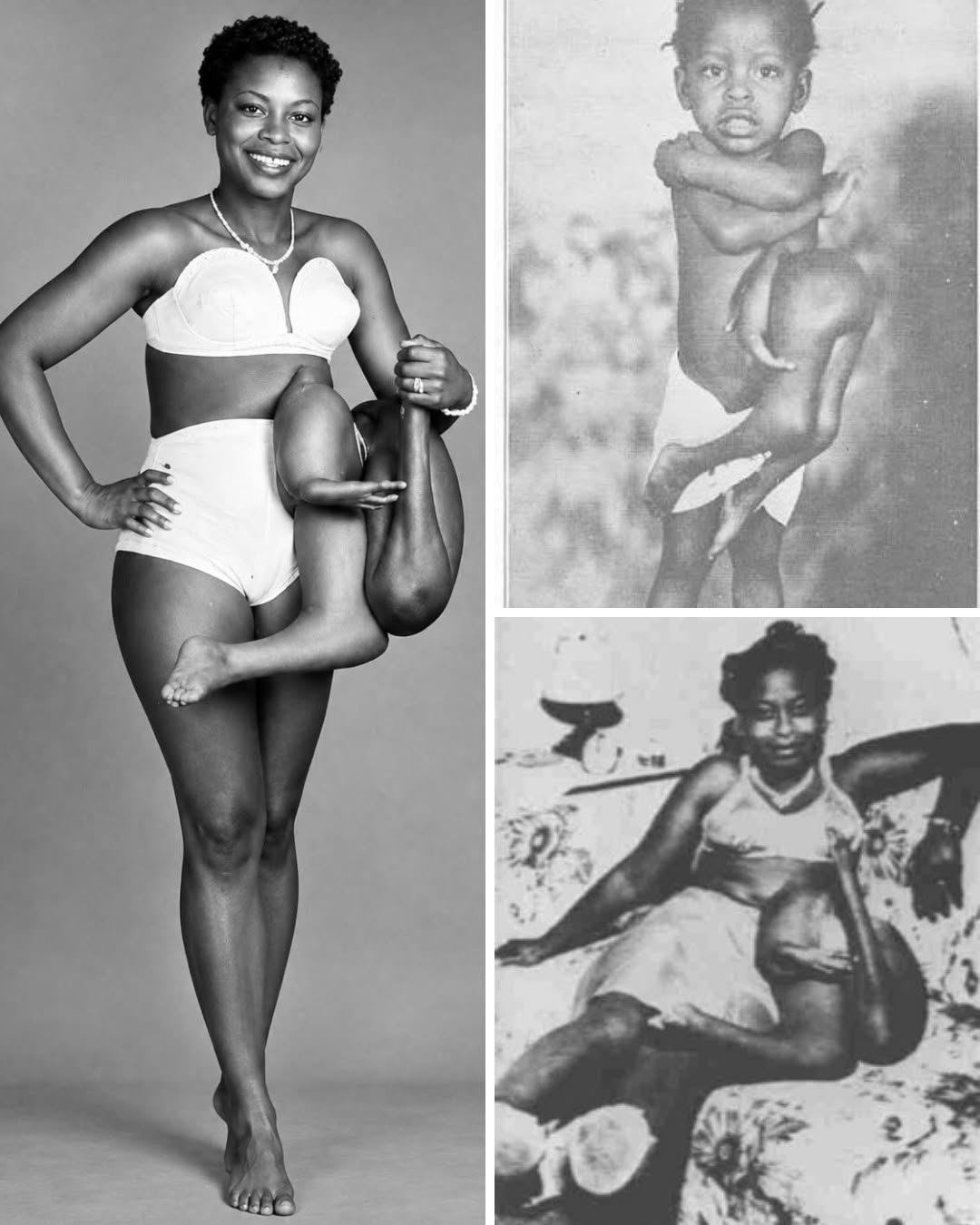
Born with an extremely rare parasitic twin attached to her body, Lillie B. Williams spent her life as a subject of widespread public fascination. Coming from a poor sharecropping family in Georgia in 1932, her condition included two extra legs, an additional arm, and unused vascular structures. Given the limited medical capabilities of the era, safe surgical removal was simply impossible, leaving her to adapt to her body as it was.
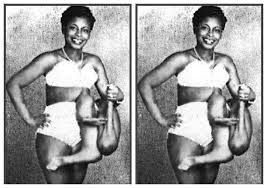
Her life shifted dramatically when traveling showman Dick Best discovered her and gave her the stage name Betty Lou Williams. By age two, she was featured in Ripley’s Believe It or Not! exhibitions, earning up to $250 a week during the height of the Great Depression—an extraordinary income that eventually grew closer to $1,000 per week. Despite the dark reality of public exploitation and circus curiosity shows, her earnings transformed her family’s financial reality, enabling them to purchase a 260-acre farm and pay for her siblings’ college educations.
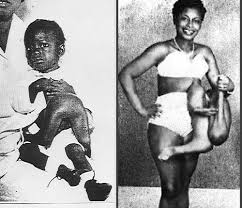
Betty Lou continued her career well into adulthood, performing across major venues until her sudden death from a severe asthma attack in 1954 at just 23 years old. While post-mortem historical accounts revealed even rarer anatomical details, modern medical historians view her story as a landmark case in embryonic development and parasitic twinning research. Beyond being remembered merely as a sideshow wonder or a medical curiosity, Betty Lou Williams stands as a resilient woman who turned an unchosen, extraordinary condition into a lifeline of support for those she loved.