LUCY LETBY CASE ERUPTS AGAIN: NEW MEDICAL EVIDENCE PUTS CONVICTIONS UNDER FRESH SCRUTINY
LUCY LETBY CASE ERUPTS AGAIN: NEW MEDICAL EVIDENCE PUTS CONVICTIONS UNDER FRESH SCRUTINY
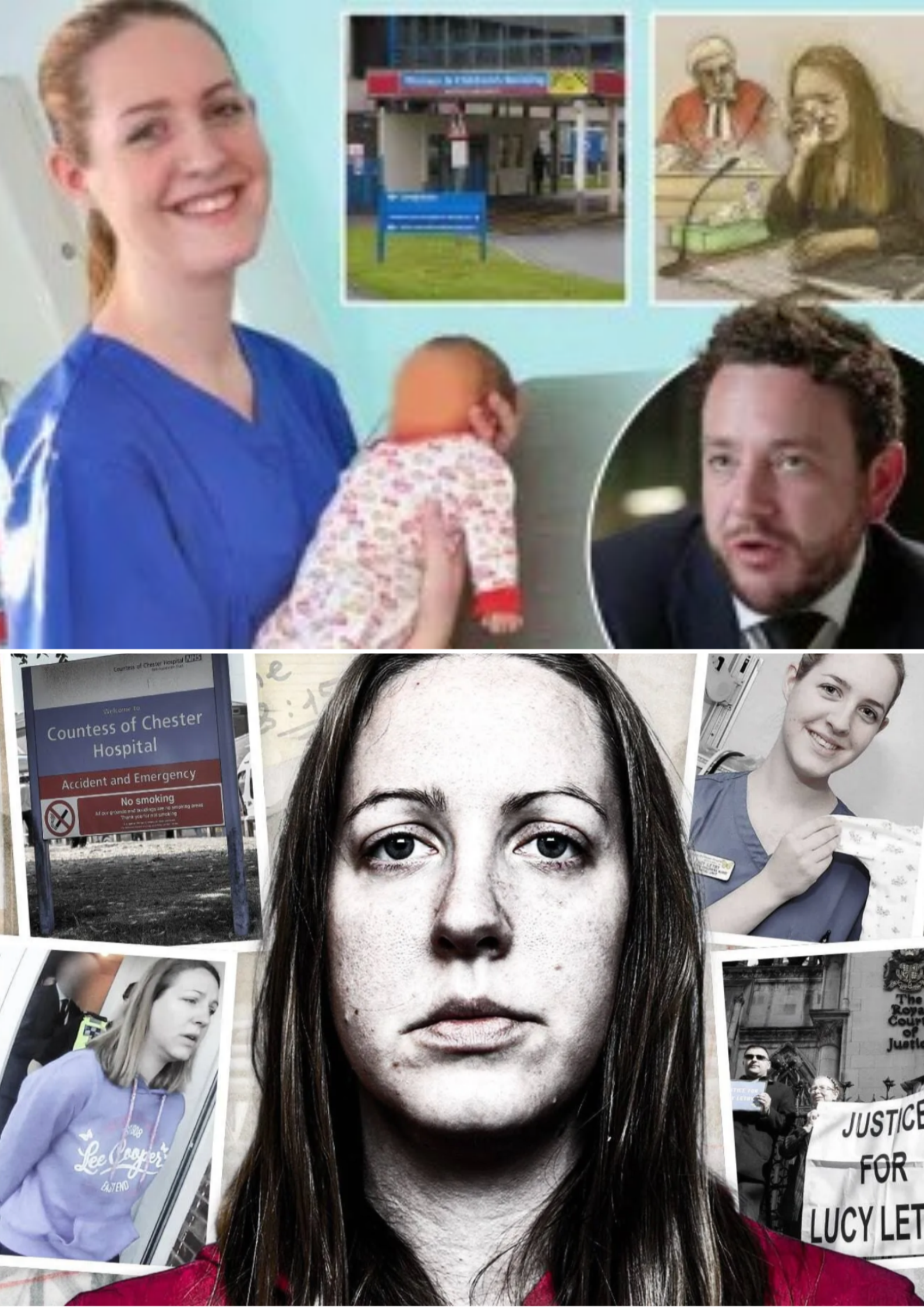
New expert evidence, questions over undisclosed maternity records and a continuing review by Britain’s miscarriage-of-justice watchdog have reopened fierce debate over the evidence used to convict Lucy Letby.
The legal battle surrounding former neonatal nurse Lucy Letby has entered another dramatic chapter, with new medical evidence and questions about previously undisclosed hospital records placing aspects of her convictions under renewed scrutiny.
Letby is currently serving 15 whole-life orders after being convicted of murdering seven babies and attempting to murder seven others at the Countess of Chester Hospital between 2015 and 2016.
But her legal team is now pursuing a fresh challenge through the Criminal Cases Review Commission (CCRC), Britain’s independent body for investigating possible miscarriages of justice.
And this time, the challenge includes evidence from experts in neonatology, laboratory medicine, endocrinology and other scientific disciplines.
 THE CCRC IS EXAMINING NEW EVIDENCE
The CCRC confirmed in February that its review of Letby’s convictions was underway.
The commission said it had received expert reports and further submissions throughout 2025 and into January 2026.
Importantly, the CCRC has not concluded that Letby is innocent or that her convictions were unsafe.
Its role is to determine whether new evidence or legal arguments create a real possibility that a conviction would not be upheld if the case were returned to an appeal court.
That decision has not yet been made.
 MEDICAL EXPERTS HAVE CHALLENGED PARTS OF THE PROSECUTION CASE
One of the most significant developments involves Canadian neonatologist Dr Shoo Lee, whose earlier research concerning air embolism was cited during Letby’s trial.
Lee has since argued that aspects of his research were misinterpreted when it was used in the prosecution case.
An expert panel convened by Lee has also argued that some of the deaths and injuries attributed to deliberate acts could have alternative medical explanations.
According to The Independent, the panel’s findings are among the material now being considered as part of the application for a possible fresh appeal.
However, these are defence-side expert arguments, not findings that have been accepted by an appeal court.
MATERNITY RECORDS CREATE ANOTHER MAJOR QUESTION
In July, a BBC investigation revealed that maternity records belonging to babies involved in the case had been seized by Cheshire Police but were not reviewed by the prosecution’s chief medical expert or disclosed to Letby’s defence before trial.
The records contained information about pregnancy, labour and delivery.
The prosecution’s chief medical witness, Dr Dewi Evans, told the BBC that he had not seen the full obstetric notes.
He said he did not believe the maternity information would have changed his conclusions.
But Professor Phil Bennett, a specialist in obstetrics and gynaecology at Imperial College London, took a different view.
He told the BBC that maternity and neonatal care should normally be assessed together when determining why a baby became critically ill or died.
That disagreement has become an important part of the wider debate over whether all potentially relevant medical evidence was adequately considered.
BABY O IS ONE CASE NOW BEING RE-EXAMINED
One example concerns the baby identified in court as Baby O, one of the triplets involved in the case.
The prosecution argued that Letby had deliberately harmed the baby by injecting air and causing liver injury.
Professor Bennett has subsequently reviewed the case and reached a different medical interpretation.
He believes the baby’s liver condition could have resulted from an injury associated with a difficult Caesarean delivery.
The BBC reported that this alternative explanation is based on his review of the neonatal records together with information about the circumstances of the baby’s birth.
Whether such alternative interpretations are ultimately accepted by the courts remains unresolved.
QUESTIONS HAVE ALSO BEEN RAISED ABOUT THE INSULIN CASES
Another major area of dispute concerns two babies whom Letby was convicted of attempting to murder using insulin.
Two experts who had previously produced a substantial report challenging aspects of those convictions — chemical engineering expert Helen Shannon and bioengineering professor Geoff Chase — said in September that they continued to stand by their assessment that it was very unlikely two babies had been poisoned.
However, they also withdrew from Letby’s defence team after raising concerns about other arguments being advanced on her behalf.
The pair said some of those arguments were inconsistent with available evidence, established science and physiology.
Their decision illustrates just how contested the scientific debate surrounding the case has become.
THE DEFENCE SAYS THE NEW EVIDENCE IS SIGNIFICANT
Letby’s barrister Mark McDonald has argued that the new material goes beyond the opinion of any single expert.
He has said that specialists from different disciplines and countries have identified what he describes as fundamental problems with the scientific evidence used in the insulin convictions.
That remains an argument made by the defence.
It has not yet been accepted as a legal finding by the Court of Appeal or the CCRC.
THE ORIGINAL CONVICTIONS REMAIN IN PLACE
Despite the renewed controversy, an important fact has not changed:
Lucy Letby’s convictions have not been overturned.
Two previous attempts to challenge her convictions have been unsuccessful, and she remains imprisoned under 15 whole-life orders.
The CCRC is still examining the latest application.
Meanwhile, the Crown Prosecution Service has continued to stand by its decisions in relation to further allegations involving other babies.
In January 2026, prosecutors announced that they would bring no additional charges over several further deaths and non-fatal collapses investigated after Letby’s original convictions. A subsequent review of those decisions upheld the decision not to charge her with further offences.
THE THIRLWALL INQUIRY ADDED ANOTHER LAYER TO THE STORY
The wider hospital failures have also been examined separately.
The Thirlwall Inquiry, whose final report was published in September 2026, examined what happened at the Countess of Chester Hospital between 2015 and 2018.
The inquiry identified serious failures in how concerns about the neonatal unit were handled and found missed opportunities for hospital leaders to respond after doctors raised alarms about unexplained deaths.
But the inquiry’s findings about hospital management should not automatically be interpreted as a judicial finding that Letby’s convictions were unsafe.
The two issues are related, but legally distinct.
WHAT HAPPENS NEXT?
For now, the most important development is the ongoing CCRC review.
The commission has received a substantial body of new expert material and submissions.
It could ultimately decide that the case should remain closed.
Or, if it concludes that the new evidence creates the required real possibility of an unsafe conviction, it could refer one or more convictions back to the Court of Appeal.
Until that happens, the legal position remains unchanged.
Lucy Letby remains convicted.
But the scientific and legal arguments surrounding those convictions are being examined again — this time with new expert opinions, newly reported questions about medical records and a growing body of material before the UK’s miscarriage-of-justice watchdog.
For the families of the babies involved, the continuing dispute carries enormous emotional weight.
And for the British justice system, the eventual CCRC decision could determine whether the most controversial questions surrounding the evidence in the Letby case receive another examination in court.