New York City Moves to Ban Horse-Drawn Carriages by 2028 After Fatal Central Park Accident
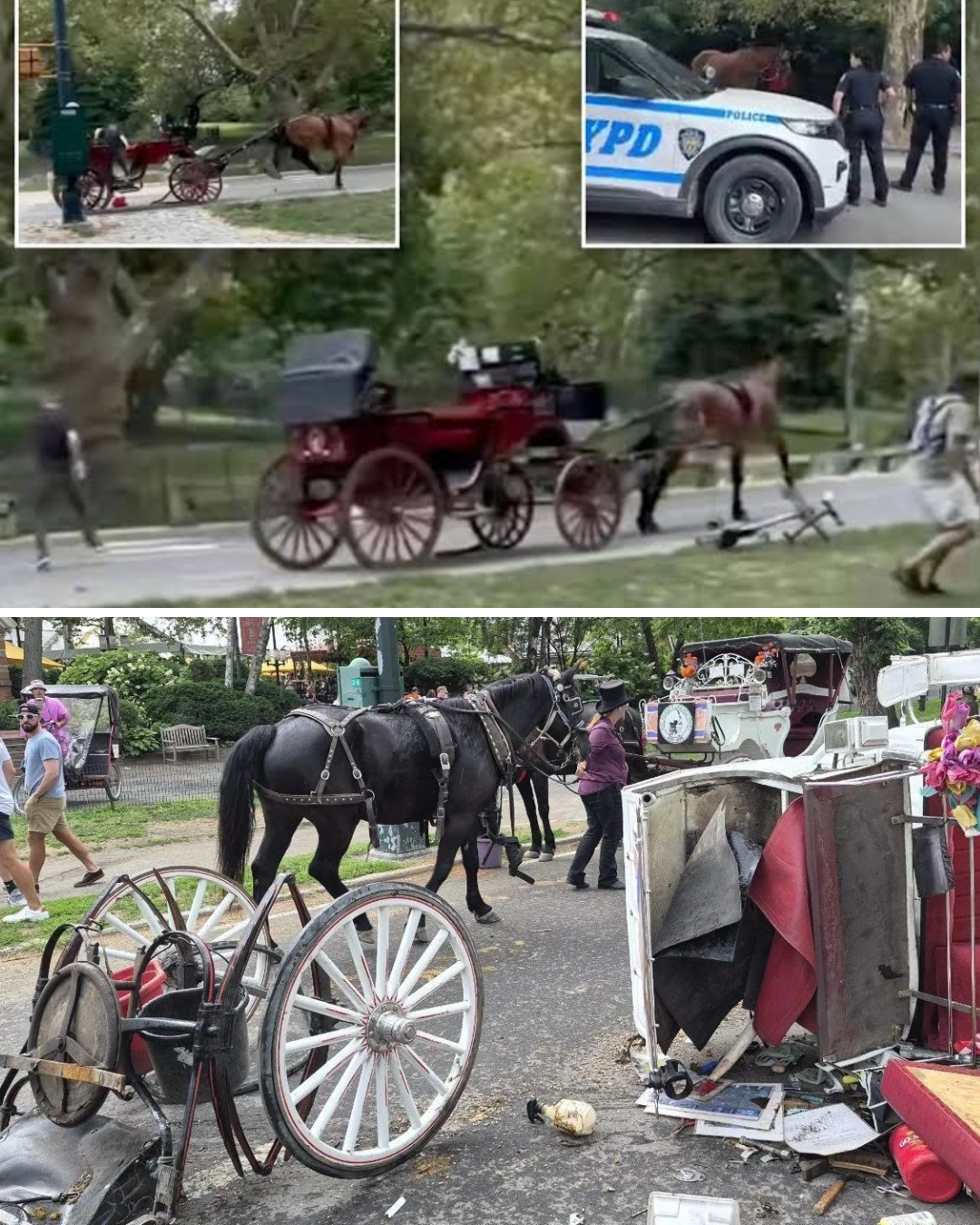
New York City Moves to Ban Horse-Drawn Carriages by 2028 After Fatal Central Park Accident
New York City is moving toward ending its horse-drawn carriage industry, as Mayor Zohran Mamdani and City Council Speaker Julie Menin back legislation that would phase out the longtime tourist attraction by June 2028.
The proposed ban follows years of debate over animal welfare and public safety, with renewed urgency after the death of 18-year-old tourist Romanch Mahajan in a Central Park carriage accident in June 2026.
Menin announced the agreement on October 13, saying the City Council would consider the legislation, known as Romanch’s Law, in a scheduled vote on October 22. The measure is expected to prohibit horse-drawn carriages from operating in New York City beginning June 1, 2028, if approved. <Cite refs={[“turn356587news9″,”turn356587search4″,”turn356587search6”]}/>
A Fatal Accident Renewed Calls for Change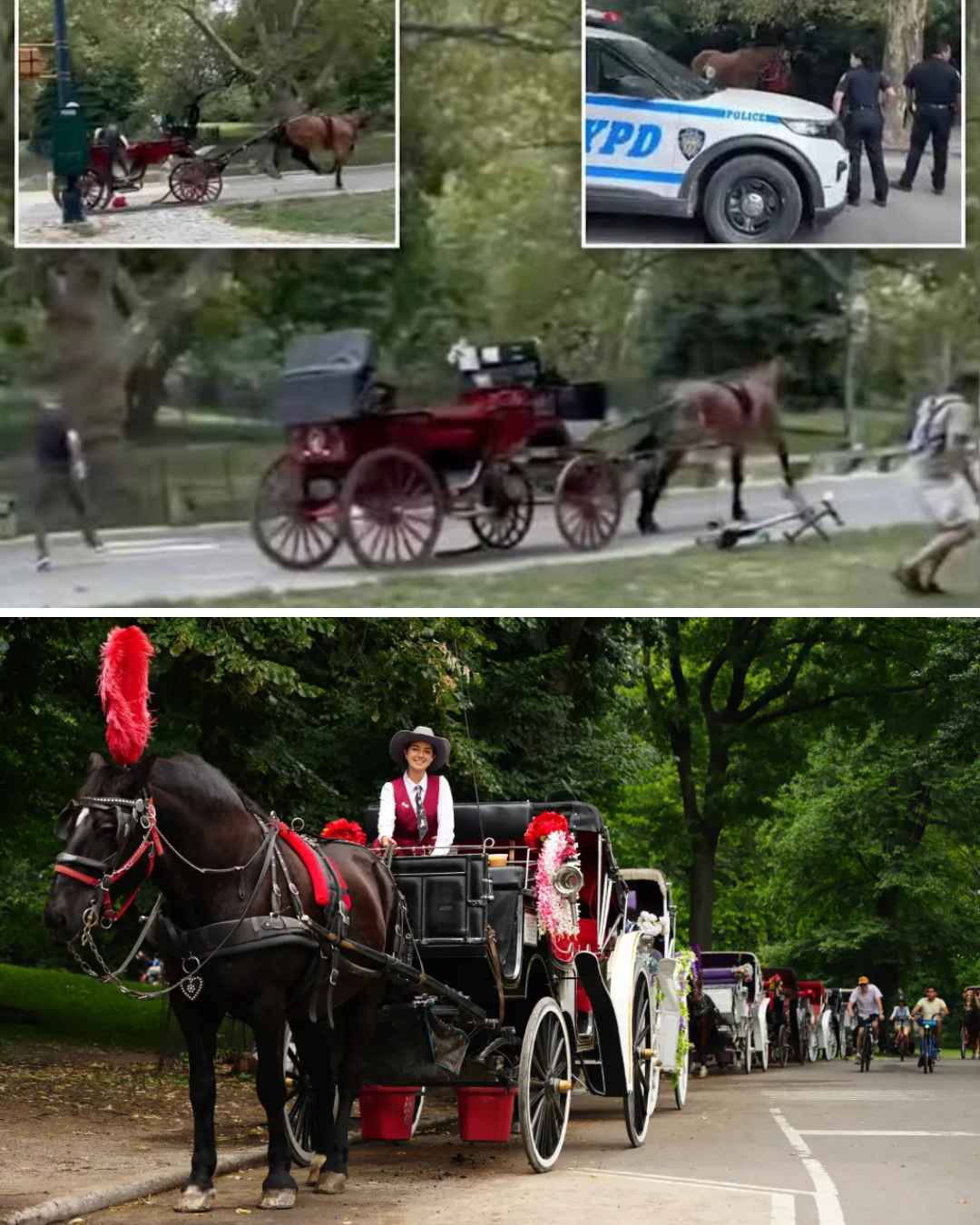
Horse-drawn carriage rides have been a familiar feature of New York City tourism for generations. But supporters of a ban have increasingly questioned whether the industry can operate safely in a city defined by heavy traffic, crowded streets and unpredictable urban conditions.
The debate intensified following Mahajan’s death on June 17, 2026. According to reports, the teenager was riding in a horse-drawn carriage in Central Park when the horse became uncontrollable. The resulting accident left Mahajan fatally injured.
His death prompted renewed calls from his family and animal welfare advocates for city officials to end the industry.
The proposed legislation was subsequently named Romanch’s Law in his memory. Advocates say the measure would address risks to passengers, pedestrians, drivers and horses while bringing an end to a controversial tourist tradition.
What Would the Proposed Ban Change?
If enacted, the legislation would establish a deadline for ending commercial horse-drawn carriage operations across New York City.
The proposal also addresses what would happen to the horses and the people whose livelihoods depend on the industry.
According to reports, the city would be required to develop a workforce transition program to help affected carriage drivers pursue alternative employment. The proposal also includes provisions intended to ensure that retired carriage horses are placed in appropriate homes rather than sent to slaughterhouses. <Cite refs={[“turn356587search5″,”turn356587search6”]}/>
The transition plan is a central part of the agreement because the industry supports workers and businesses that have operated for years under the city’s existing licensing system.
Mamdani’s administration has said it has worked with council members, labor representatives, carriage drivers and animal welfare advocates to develop a transition that protects workers while phasing out the industry.
However, questions remain about the details of financial assistance, employment opportunities and compensation for owners who have invested in carriage operations.
Supporters Cite Animal Welfare and Public Safety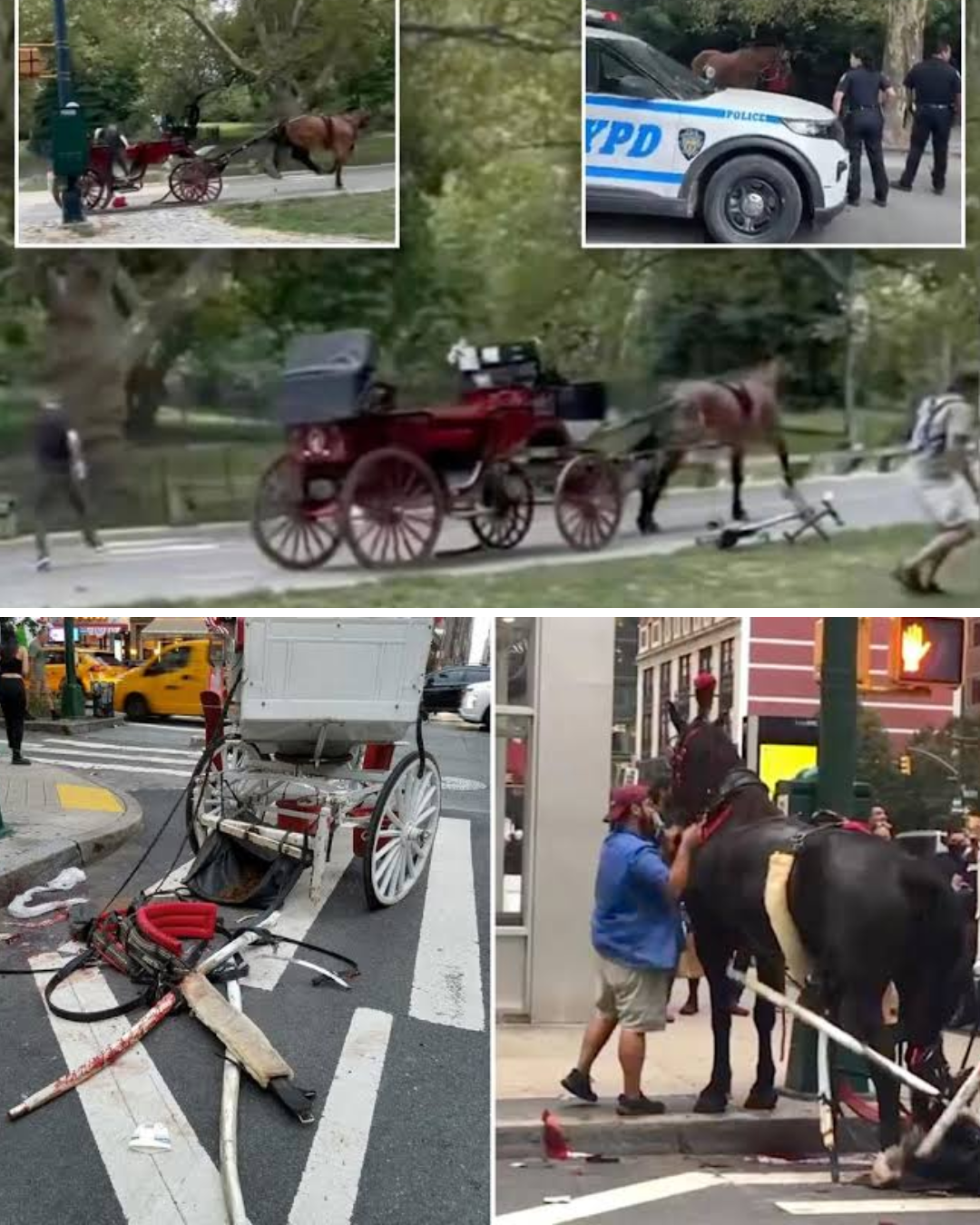
Animal welfare organizations have long argued that horses should not be required to work amid traffic, construction, extreme weather and other unpredictable conditions.
They have also pointed to previous incidents involving horses collapsing, becoming incapacitated or running loose while attached to carriages.
Supporters of the proposed legislation argue that ending the industry would reduce these risks and allow the animals to retire in safer environments.
Menin has similarly emphasized public safety, saying that the fatal accident involving Mahajan highlighted concerns about continuing the practice in an increasingly busy urban environment. <Cite refs={[“turn356587news9″,”turn356587search4”]}/>
The proposed ban reflects a policy choice that city officials must weigh against the economic interests of drivers and carriage businesses.
Carriage Industry Workers Push Back
The proposal has also drawn criticism from labor representatives who argue that the transition plan may not adequately protect workers.
John Samuelsen, president of the Transport Workers Union, criticized the agreement, saying it did not provide meaningful economic relief for affected workers. He raised concerns about the extent of financial compensation and the proposed assistance for drivers seeking new employment. <Cite refs={[“turn356587search5”]}/>
Those concerns highlight one of the central challenges facing the city: ending an established industry while ensuring that workers are not left to absorb the full financial impact.
The final legislation and any accompanying implementation plan will determine how much practical support drivers and carriage owners receive during the transition.
What Happens Next?
The New York City Council was scheduled to vote on Romanch’s Law on October 22, 2026. Reports indicated that the measure had substantial support among council members, although the vote had not yet taken place as of the October 13 announcements. <Cite refs={[“turn356587search6″,”turn356587search5”]}/>
If approved, the legislation would set June 1, 2028, as the planned end date for horse-drawn carriage operations, while requiring the city to address the future of affected workers and horses.
For supporters, the proposal represents a long-awaited response to concerns about animal welfare and public safety. For industry workers, it raises questions about employment, compensation and the future of a longstanding occupation.
New York City now faces a decision that reaches beyond tourism. It must determine how to balance a historic tradition with modern safety concerns, animal welfare and the economic needs of the people who depend on the industry.
The upcoming council vote will determine whether the proposed phaseout moves forward — and whether New York’s iconic horse-drawn carriages will have a defined end date.