Christa Pike Returns to Prison 10 Days After Failed Execution — But Her Legal Battle Is Far From Over
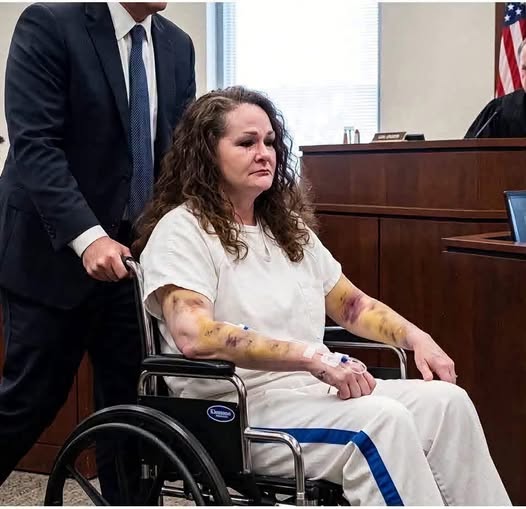
Christa Pike Returns to Prison 10 Days After Failed Execution — But Her Legal Battle Is Far From Over
Christa Pike has been returned to prison just 10 days after surviving Tennessee’s unsuccessful execution attempt, marking another major development in a case that continues to raise questions about the state’s lethal-injection procedures.
According to the Associated Press, Pike’s attorneys confirmed that she had been transferred from the hospital back to the Deborah K. Johnson Rehabilitation Center, the Tennessee women’s prison where she was incarcerated before the September 30, 2026, execution attempt.
Her return marks a significant change from the days immediately following the failed procedure, when reports from her legal team described a critical medical condition and an uncertain recovery.
But leaving the hospital does not necessarily mean the injuries she reportedly sustained have healed.
From Critical Condition to a Return Behind Bars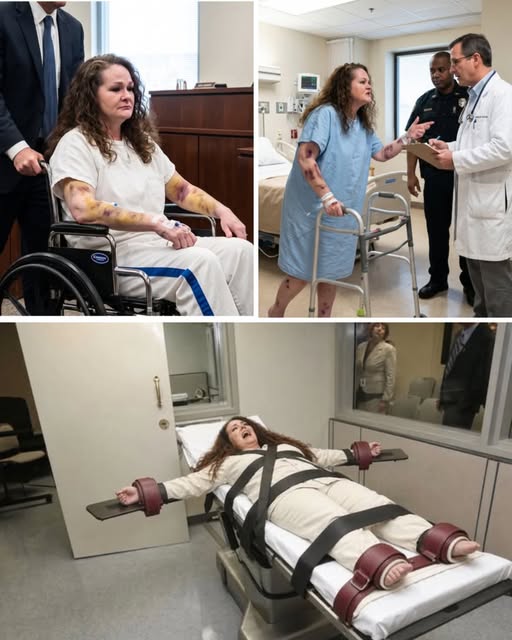
In the aftermath of the unsuccessful lethal injection, Pike’s attorneys reported that she had been unconscious and placed on a ventilator.
They also described injuries affecting both arms, including swelling, burns and tissue damage. Additional medical concerns reportedly included pneumonia, a blood clot, and difficulties with memory and concentration after she regained consciousness.
At one point, her attorneys expressed serious concerns about whether she would wake up.
Her subsequent progress marked a dramatic change in her reported condition. Pike regained consciousness, began speaking, and gradually resumed basic activities, including walking short distances and eating.
Now, approximately 10 days after the execution attempt, she has returned to prison.
Her attorneys have indicated that medical care and monitoring remain necessary. Her transfer should therefore not be interpreted as confirmation that she has fully recovered or that the possibility of lasting injuries has been ruled out.
The full extent of her recovery remains an important unanswered question.
The Failed Execution Is Now a Legal Battle
Pike’s return to prison does not resolve the questions surrounding what happened on September 30.
Her legal team has challenged aspects of Tennessee’s lethal-injection procedures, and the reported medical complications have added further scrutiny to the case.
A judge has allowed litigation challenging the state’s execution procedures to proceed, according to the supplied account. The proceedings could provide an opportunity to examine the procedure, the medical response, and the circumstances surrounding the failed attempt.
However, the existence of ongoing litigation does not itself establish that state officials violated the law or that a particular medical or procedural failure caused the outcome.
Those questions will depend on the evidence presented and the court’s findings.
Why Did the Lethal Injection Fail?
One of the central unanswered questions remains the reason Pike survived the execution attempt.
A definitive explanation has not been established in the information available for this article. Questions about the administration of the drugs, intravenous access, and the medical complications that followed would require reliable medical records, expert analysis, and an official account of the procedure.
Until that evidence is available, any proposed explanation must be treated as unconfirmed.
The distinction is important because understanding why the procedure failed may be central to the legal arguments surrounding Tennessee’s execution protocols.
Could Tennessee Attempt Another Execution?
Pike’s death sentence remains in effect, according to the supplied information. No new execution date has been announced.
Her return to prison therefore leaves two separate issues unresolved: the extent of her long-term medical recovery and the future of the legal proceedings challenging the execution process.
Any future execution attempt would depend on the applicable legal proceedings and decisions by the relevant authorities. Her hospital discharge alone does not determine whether another attempt can proceed.
For now, Pike is back in state custody, her medical recovery remains a concern, and her attorneys continue to challenge the procedures that led to the failed execution.
The case has raised difficult questions about execution protocols, medical accountability, and the legal consequences of an unsuccessful execution.
The central question is no longer simply what happened on September 30, but what the courts and the state will do next.
Will the ongoing legal proceedings change the course of Christa Pike’s death sentence, or will Tennessee ultimately seek another execution attempt? The answer remains unresolved.