Why This 1994 Sci-Fi Action Masterpiece Is Actually a Heartbreaking Story About Grief and Temptation

Why This 1994 Sci-Fi Action Masterpiece Is Actually a Heartbreaking Story About Grief and Temptation
There are action films built entirely around flying fists, and others built on mindless explosions. But then there are the rare cinematic gems built around a premise so emotionally devastating that it alters the entire weight of the narrative before the very first punch is thrown. Released at the absolute pinnacle of Jean-Claude Van Damme’s global box-office dominance, Timecop gave the martial arts legend something his previous hits like Bloodsport and Kickboxer never could: a hero deeply haunted by the hands of time.
While the film delivers the high-octane spectacle, the real terror of the story does not stem from its time-traveling killers. Instead, it lies in the agonizing temptation of the premise itself. Van Damme plays Max Walker, an enforcement agent trapped with the unbearable awareness that the technology he guards creates a cruel illusion: that tragedy might actually be reversible. Beneath the futuristic armor and martial arts choreography is a vulnerable man carrying an exhausting level of grief, living with the knowledge that a version of his life untouched by tragedy exists just a few chronological years backward.
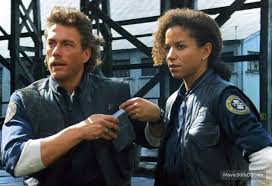
Flanked by the brilliant Gloria Reuben, who brought a grounded intelligence to an era of cinema that frequently sidelined women, Van Damme anchored a story that was ultimately about the seductive urge to rewrite our biggest mistakes. It forces the audience to confront a deeply human dilemma: if you possessed the power to return to the past, would you truly be strong enough to leave your greatest heartbreak unchanged? Ultimately, Timecop endures because it understood that the hardest battles we fight are never against external villains, but against the weight of our own memories.