FRANK WALLS EXECUTED AFTER 37 YEARS ON DEATH ROW — THE CHILLING CASE THAT FINALLY CAME TO AN END
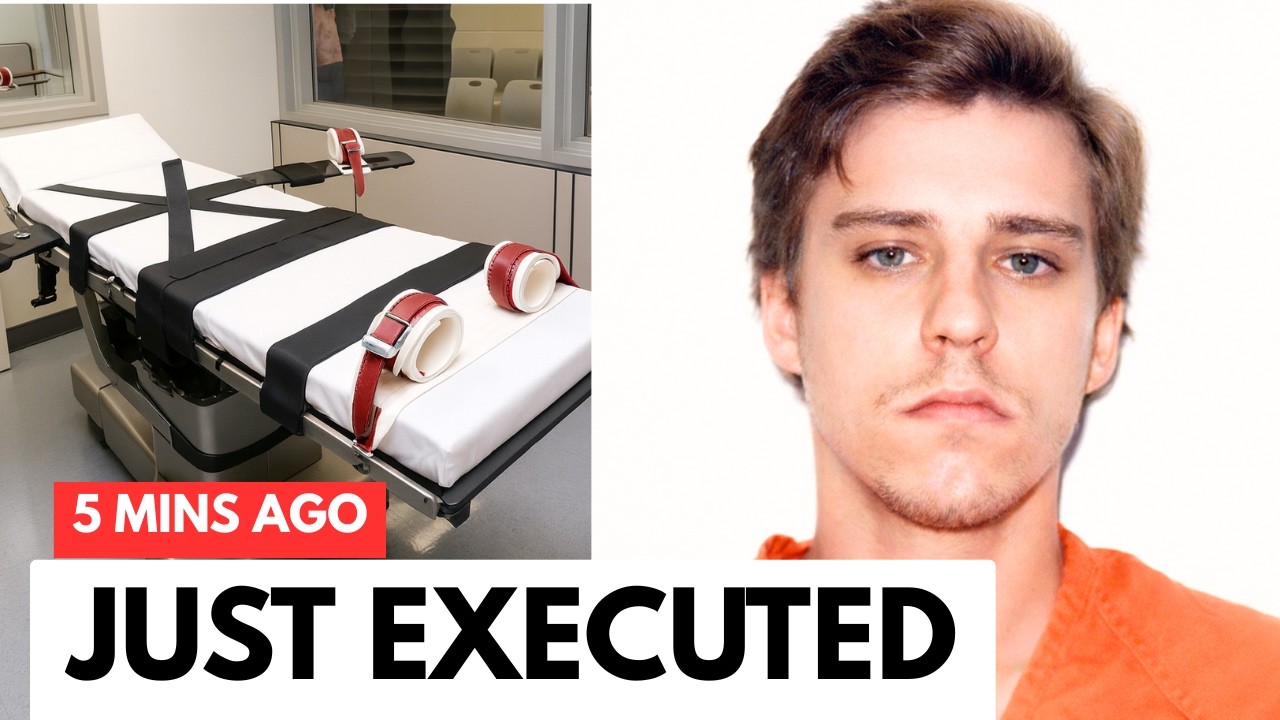
FRANK WALLS EXECUTED AFTER 37 YEARS ON DEATH ROW — THE CHILLING CASE THAT FINALLY CAME TO AN END
For nearly four decades, the name Frank Athen Walls remained connected to one of Florida’s most disturbing murder cases.
Then, on December 18, 2025, the long legal battle finally ended.
Walls, 58, was executed by lethal injection at Florida State Prison after spending roughly 37 years on death row. He was pronounced dead at 6:11 p.m. (AP News)
But the story behind his execution goes far beyond the final moments inside the death chamber.
THE NIGHT THAT CHANGED EVERYTHING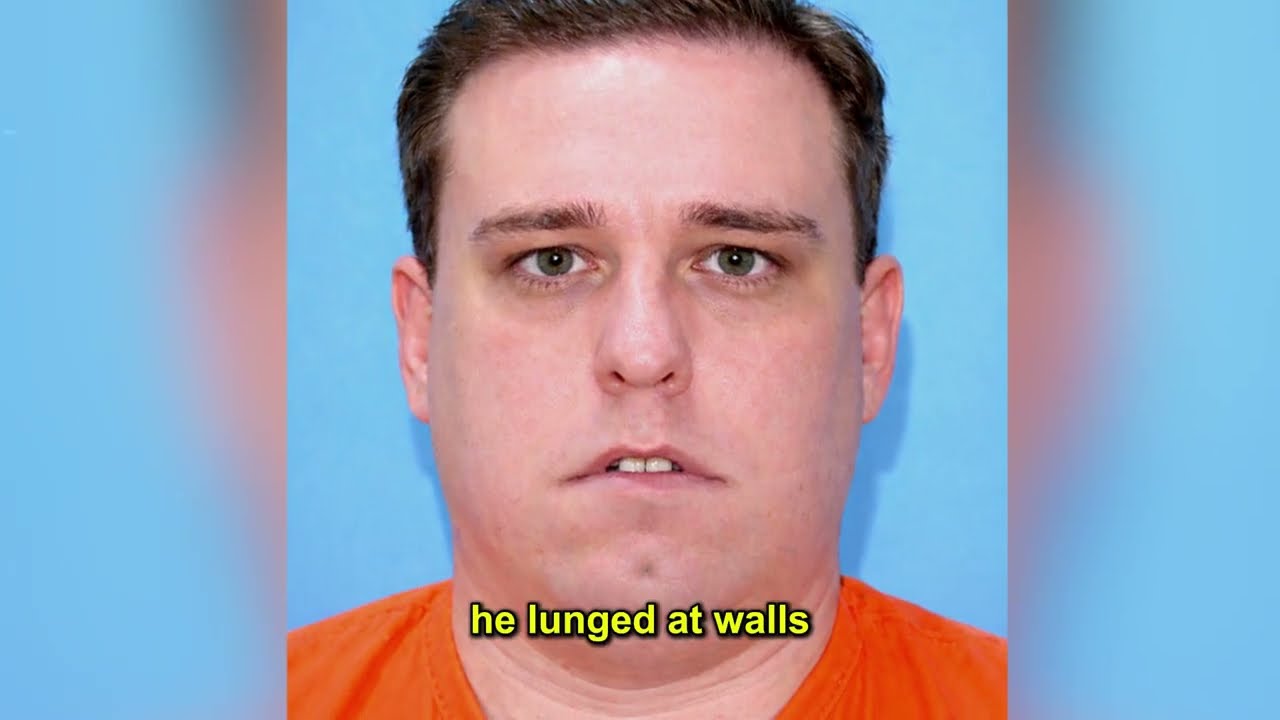
The case began in July 1987 in Okaloosa County, Florida.
Authorities said Walls broke into the home of Air Force airman Edward Alger and his girlfriend, Ann Peterson, during a home invasion.
Both were killed.
Walls was eventually arrested after information from his roommate helped investigators connect him to the crime. (WUSF)
His original conviction came in 1988, but that conviction was later overturned by the Florida Supreme Court.
The case went back to court.
A second jury convicted Walls again in 1992.
This time, the death sentence remained in place.
And then began a legal battle that would last for decades. (AP News)
THE CASE BECAME EVEN MORE DISTURBING
What investigators later uncovered made the case far larger than the two murders that originally put Walls on death row.
DNA evidence eventually linked him to the rape and murder of Audrey Gygi.
Walls also admitted involvement in additional killings, bringing the number of victims connected to him to five.
For investigators, a case that had initially centered on a single home invasion had evolved into something much more disturbing: a wider pattern of violence across Florida’s Panhandle. (AP News)
37 YEARS OF APPEALS
Walls remained on death row while his attorneys continued challenging his sentence.
One of the major issues raised in his final legal efforts involved his intellectual functioning and whether his history of childhood brain damage made him ineligible for execution.
His lawyers argued that his intellectual disability should prevent the state from carrying out the death sentence.
The state disagreed.
Florida courts ultimately rejected the arguments, and the U.S. Supreme Court declined to halt the execution. (CBS News)
THE FINAL HOURS
On the day of his execution, Walls was taken to the death chamber.
A Catholic priest was present beside him.
When given the opportunity to make a final statement, Walls apologized to the victims’ families.
He expressed regret for the pain he had caused and for the suffering that had continued for decades.
Then the execution began.
At 6:11 p.m., Frank Walls was pronounced dead. (AP News)
BUT THE EXECUTION DIDN’T ERASE THE PAST
For the families of Edward Alger and Ann Peterson, the execution brought an end to a wait that had lasted nearly 39 years.
But justice could never restore what was taken from them.
The same is true for the families of the other victims connected to Walls.
Their loved ones remain forever frozen at the ages they were when their lives ended.
Walls, meanwhile, spent his final decades behind prison walls, growing older while the legal system repeatedly revisited his case.
A CASE THAT RAISED BIGGER QUESTIONS
Walls’ execution also became part of a much larger debate surrounding Florida’s death-penalty system.
His attorneys argued that his intellectual disability and medical history should have prevented the execution.
Opponents of the death penalty questioned whether the state should carry out an irreversible punishment in cases involving disputed questions about mental capacity.
Supporters argued that the victims’ families had waited long enough for accountability.
Those arguments continued until the very end.
But the legal system ultimately made its decision.
And on December 18, 2025, that decision became irreversible.
AFTER 37 YEARS, SILENCE
Frank Walls spent approximately 37 years waiting for the sentence to be carried out.
Thirty-seven years of appeals.
Thirty-seven years of court hearings.
Thirty-seven years of uncertainty for the families involved.
Then, in a matter of minutes, it was over.
The execution closed the legal chapter of a case that had haunted Florida’s Panhandle since the 1980s.
But for the families who lost someone, there is no execution that can erase the past.
There is only the painful reality of what happened — and the knowledge that the person responsible will never walk free again.
After 37 years on death row, Frank Walls’ legal battle finally ended.
But the questions surrounding his crimes, his mental capacity and America’s use of the death penalty will continue long after the execution chamber fell silent.