SUITCASE KILLER EXECUTED — DNA EVIDENCE HELPED LINK HIM TO TWO MURDERS

SUITCASE KILLER EXECUTED — DNA EVIDENCE HELPED LINK HIM TO TWO MURDERS
For years, the case surrounding Rosendo Rodriguez III remained one of the most disturbing murder investigations in Texas.
Known as the “Suitcase Killer,” Rodriguez was ultimately convicted of the 2005 murder of 29-year-old Summer Baldwin. Investigators later connected him to the killing of 16-year-old Joanna Rogers, whose remains were discovered in the same Lubbock landfill. (Oxygen)
But what investigators uncovered was far more disturbing than a single murder.
TWO WOMEN. TWO SUITCASES. ONE DISTURBING CONNECTION.
Summer Baldwin disappeared in September 2005.
Her body was later discovered inside a suitcase at a Lubbock landfill. She had been raped and beaten and was approximately 10 weeks pregnant. Investigators eventually found evidence connecting Rodriguez to the suitcase and to the crime scene. (Wikipedia)
At first, the investigation focused on Baldwin’s death.
Then another discovery changed everything.
In 2006, the remains of Joanna Rogers were found in the same landfill.
Rogers had disappeared in 2004, when she was only 16 years old.
The discovery raised a chilling possibility:
Could the two murders have been committed by the same person?
THE FORENSIC EVIDENCE BECAME CRUCIAL
Investigators uncovered a series of pieces of evidence connecting Rodriguez to Baldwin.
Among them were DNA findings involving Rodriguez and Baldwin, along with evidence recovered from his hotel room.
Investigators also determined that Rodriguez had purchased the suitcase later used to conceal Baldwin’s body.
The pieces began forming a disturbing picture.
The case against Rodriguez ultimately resulted in a capital-murder conviction.
But the investigation did not stop there.
ANOTHER MURDER EMERGES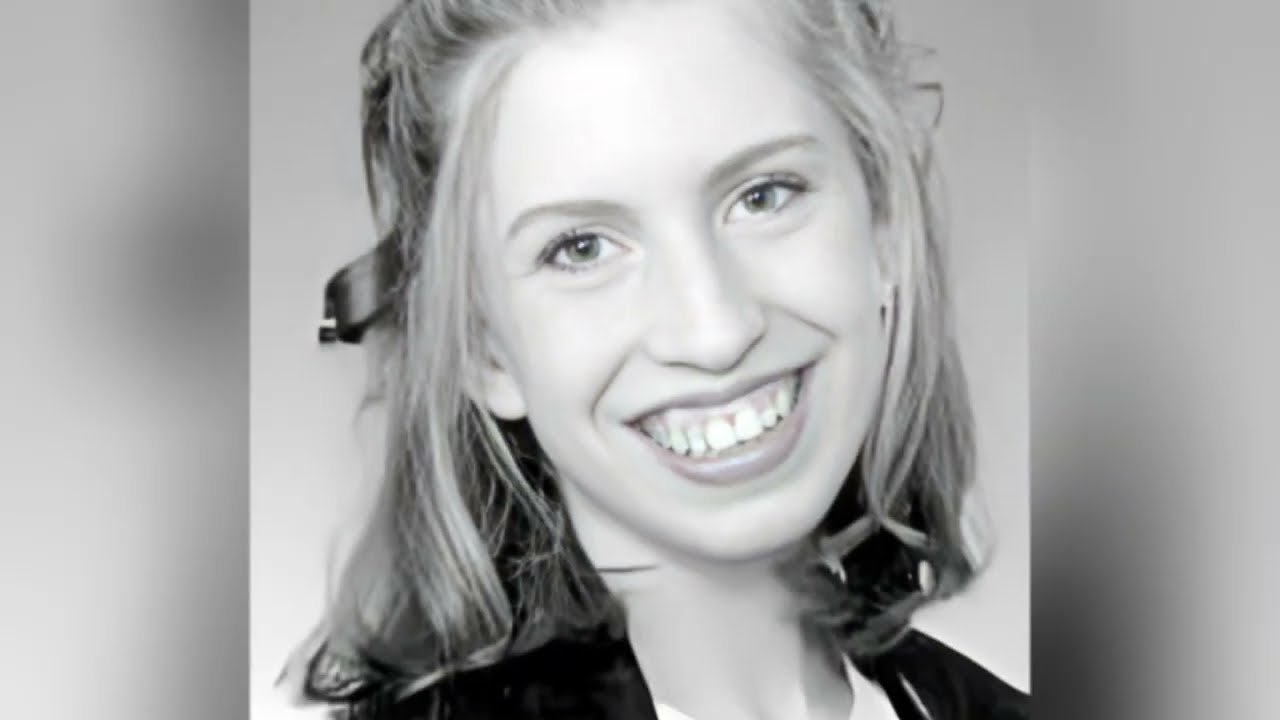
Authorities eventually determined that Rodriguez was responsible for Rogers’ death as well.
The two cases had a striking similarity: both victims were ultimately discovered in suitcases that ended up at the same Lubbock landfill. (Wikipedia)
The similarities were impossible for investigators to ignore.
A single landfill had become the final resting place for two victims.
And the same man was eventually held responsible for both deaths.
THE LEGAL BATTLE CONTINUED
Rodriguez was sentenced to death after being convicted of Baldwin’s murder.
But even after the conviction, his case continued through the courts.
His attorneys raised questions involving evidence and alleged failures to disclose information connected to the medical examiner who handled the case.
Those arguments became part of his final appeals.
Ultimately, however, the courts declined to stop the execution.
THE FINAL DAY
On March 27, 2018, Rodriguez was executed in Texas by lethal injection.
He was 38 years old.
Before his death, Rodriguez delivered a lengthy final statement in which he thanked prison staff and spoke about conditions on death row. He also made allegations concerning officials involved in his case.
Then the execution was carried out.
After more than a decade of legal proceedings, the case was finally closed.
BUT THE CASE STILL LEAVES A CHILLING LEGACY
The Rodriguez case remains disturbing because of how a seemingly isolated murder eventually revealed another victim.
One woman disappeared.
A suitcase was found.
Then investigators uncovered another set of remains in the same landfill.
And forensic evidence helped investigators connect the crimes.
The case is a stark reminder of how modern forensic investigation can transform a murder inquiry — sometimes revealing connections investigators never initially knew existed.
For the victims’ families, however, no evidence can undo what happened.
Summer Baldwin and Joanna Rogers lost their lives.
Their families were left with decades of grief.
And Rodriguez ultimately faced the maximum punishment under Texas law.
Two victims. Two suitcases. One killer.
And a case in which the evidence kept telling a darker story long after the investigation began.