Dolly Parton Chose to Tell Her Own Story Before Anyone Else Could — Now Broadway Will Carry It Forward
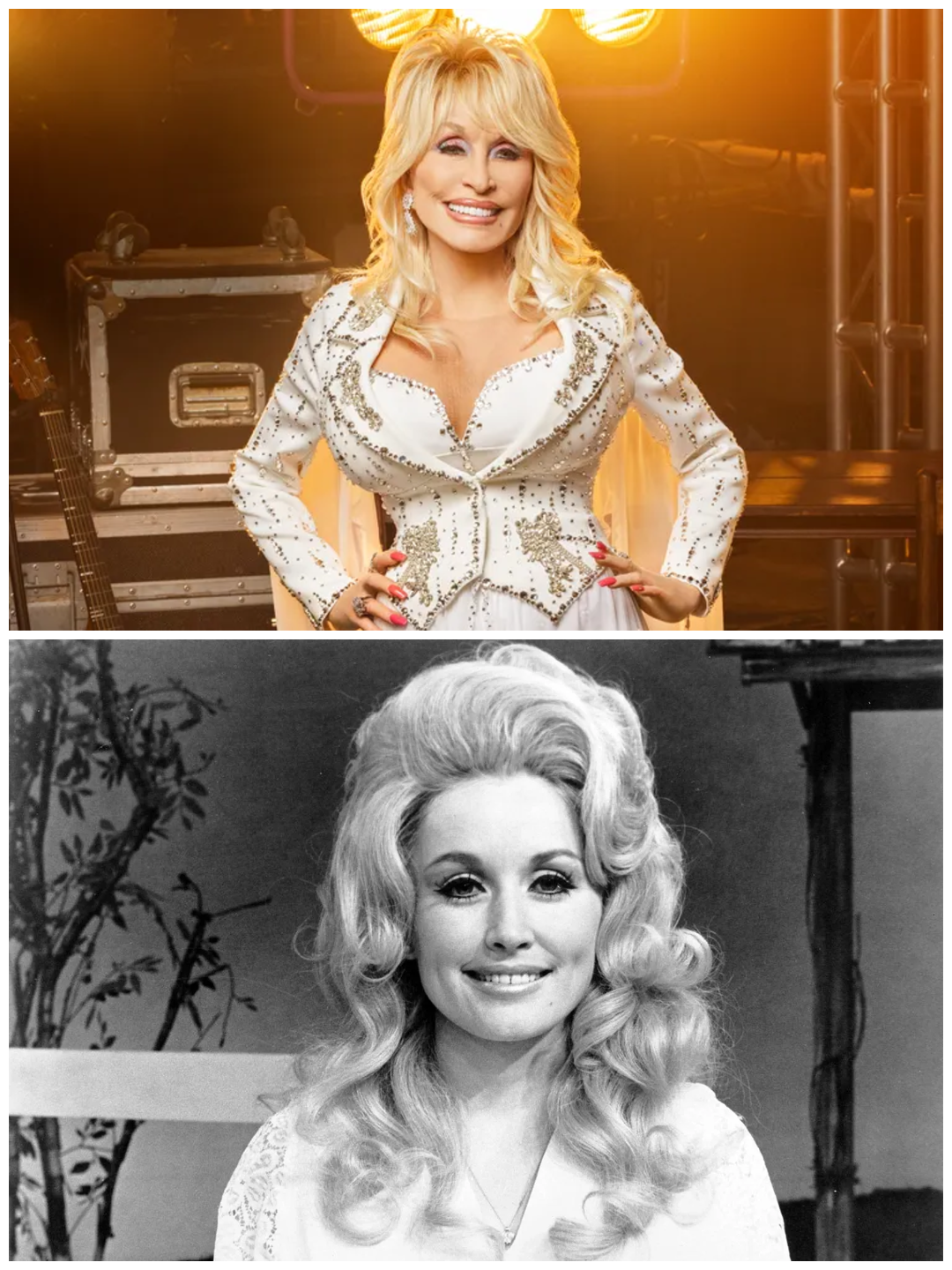
A year before her death, Dolly Parton was thinking carefully about something few people could understand better than she did: what happens to a famous person’s story after that person is no longer around to tell it.
For more than six decades, audiences had watched Parton’s extraordinary rise from a childhood without electricity to international stardom. They knew the songs, the rhinestones, the jokes and the larger-than-life public image.
But Parton knew there were parts of that journey only she could explain.
So rather than leave the telling entirely to biographers, filmmakers or future generations, she decided to put her own version onstage.
In an August 2025 interview, conducted roughly one year before her death at age 80 on Aug. 25, 2026, Parton explained why creating Dolly: A True Original Musical had become so personally important to her.
She wanted audiences to hear her life as she remembered it — including the experiences behind the famous songs and the private moments the public had never fully understood.
A Musical Felt More Like Dolly Than a Movie
Parton had considered how her life might eventually be dramatized for years.
A traditional movie biography would have been the obvious choice. Her career contained nearly everything such a project could require: poverty, ambition, music, extraordinary success and a public image recognized around the world.
But Parton believed a biopic was not the best format for her.
She was, above everything else, a songwriter.
That made a musical feel more natural.
Parton said she had long believed her life would work better onstage because songs could carry ideas and emotions in ways ordinary dialogue could not. The format also allowed her to create new material while incorporating the hits audiences already associated with her career.
There was certainly enough material for a much longer production.
Parton joked that her story was interesting enough to fill three hours, but she recognized that would be asking too much of an audience. The resulting show was designed to run closer to two and a half hours.
The challenge was not finding a story.
It was deciding how much of an enormous life could fit on one stage.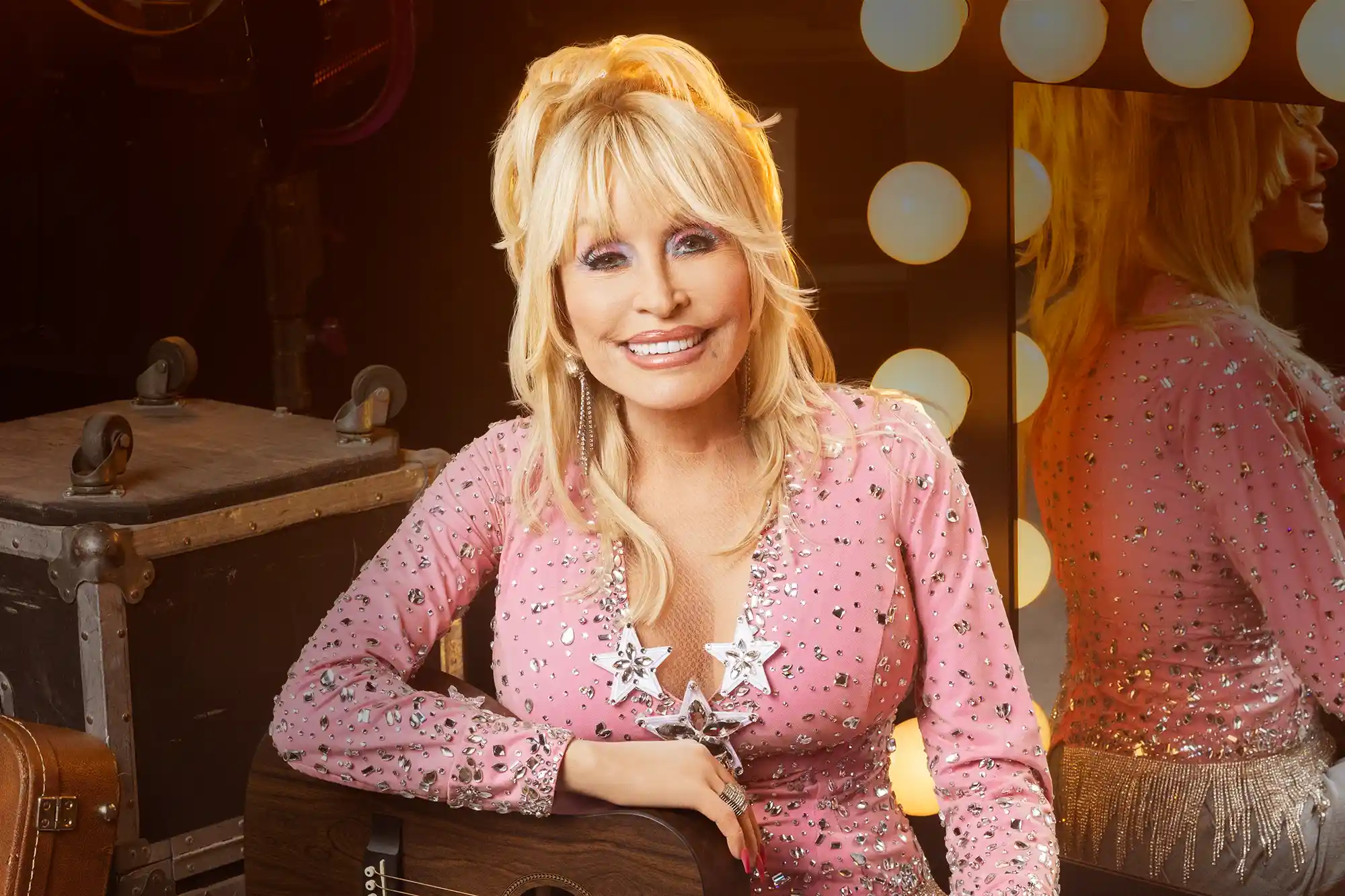
From a Childhood Without Electricity to a Completely Different World
Parton understood that the distance she had traveled was itself part of what fascinated people.
She grew up in circumstances that felt almost impossibly far removed from the modern world surrounding her later career.
Reflecting on those early years, Parton pointed to something as basic as electricity. Her childhood began without it, yet she lived long enough to witness — and participate in — enormous cultural and technological change.
She described the journey as moving from something resembling an earlier age into the modern era.
Even Parton herself remained amazed by the contrast.
To her, the difference between where she began and where she eventually arrived was not simply a success story. It was one of the central reasons her life could speak across generations.
But there was another reason she wanted control over the telling.
Getting from one end of that journey to the other had not been painless.
Parton said she had “suffered a lot” for the life she built, and that history made it especially important for her to have a voice in how the story was presented.
She Knew Other Versions of Dolly Would Eventually Come
By the time she reached her late 70s, Parton understood that her legacy no longer belonged exclusively to her.
There would eventually be books, movies, documentaries and other interpretations of her life.
Different people would remember different versions of Dolly Parton.
Some would focus on the country star. Others might emphasize the songwriter, businesswoman, philanthropist or public personality.
Parton accepted that.
What she did not want was for all those outside interpretations to exist without first leaving behind her own.
She explained that she had reached an age where she finally felt prepared to tell the story from her perspective — her memories, her experiences and what she considered her truth.
“I wanted to tell my story while I was still alive,” she said.
After her death, those words carry a very different emotional weight.
At the time, however, Parton was not speaking as though she were composing a farewell.
She was working.
She wanted to create new songs, revisit old ones and explain what had been happening in her life when some of her best-known music was born.
The Famous Songs Would Come With the Stories Behind Them
Parton knew audiences arriving at a musical about her life would expect the hits.
She had no intention of leaving them out.
But simply performing familiar songs was not enough.
She wanted the production to show where those songs came from and what surrounded their creation.
That approach was similar to one she had already used in her Songteller book, in which she paired her music with the stories behind it.
Onstage, she could take the idea further.
Newly written pieces could connect different periods of her life, while familiar songs could appear with the personal context that gave them new meaning.
The result, in Parton’s view, would let audiences discover things about her they had never known.
And she was surprisingly comfortable with how personal that could become.
Some people were startled by how much she was willing to reveal.
Parton’s response was essentially: why not?
Fame had created the illusion that the public already knew everything about her. Parton knew better.
Even after decades of interviews and autobiographical storytelling, there were still experiences she had kept for herself.
The musical would not reveal every secret.
But she believed audiences would leave knowing considerably more about the woman behind the familiar image.
Broadway Was the Next Challenge
The show first received a four-week limited engagement in Nashville in 2025.
But Parton was already looking toward a larger destination: Broadway.
Her reasoning was characteristically simple.
She had already done so many other things during her career. Why not Broadway too?
Now that decision has become part of the legacy she was trying to preserve.
Preview performances for Dolly: A True Original Musical are scheduled to begin Dec. 7 at the St. James Theatre in New York City.
Opening night is set for Jan. 19, 2027.
The date carries a significance Parton could not have intended when she first began explaining why she needed to tell this story herself.
Jan. 19 would have been her 81st birthday.
When the curtain rises, Parton will no longer be there to watch audiences discover her version of the journey.
But the words, music and memories she deliberately chose to leave behind will be.
For an artist who spent a lifetime turning personal experience into songs, perhaps that is the most fitting ending of all.
Dolly Parton knew other people would eventually tell stories about her.
Before they did, she made sure the world could hear hers.