LINDSAY CLANCY “SCARED” AS JURY CONTINUES DELIBERATIONS — NO VERDICT AFTER FIRST DAY
LINDSAY CLANCY “SCARED” AS JURY CONTINUES DELIBERATIONS — NO VERDICT AFTER FIRST DAY
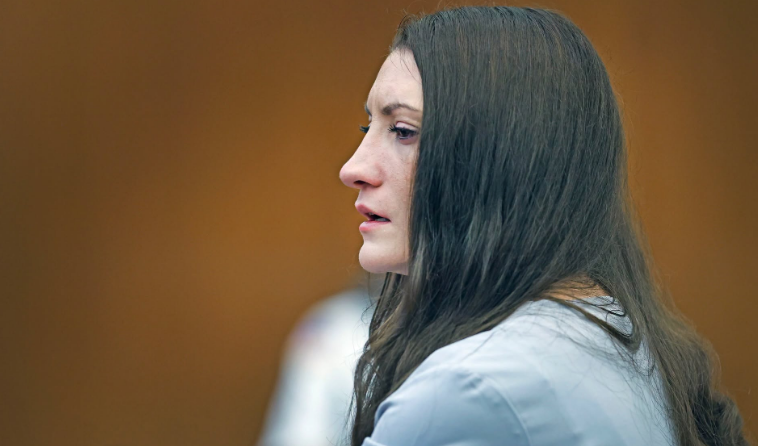
Lindsay Clancy is facing an agonizing wait as 12 Massachusetts jurors consider whether she should be held criminally responsible for the deaths of her three young children.
After more than five weeks of testimony and closing arguments that sharply divided the prosecution and defense, the jury began deliberations Thursday.
But after nearly four hours, there was still no verdict.
Clancy’s attorney, Kevin Reddington, told reporters outside Plymouth County Superior Court that his client is “scared” and “nervous” as she waits for the jury’s decision.
The jury is expected to return Friday morning to continue deliberating.
:max_bytes(150000):strip_icc():focal(749x0:751x2):format(webp)/lindsay-marie-clancy-013023-1-176600bdc3614f6ca230e63734b87361.jpg) THE CASE NOW COMES DOWN TO ONE CRITICAL QUESTION
THE CASE NOW COMES DOWN TO ONE CRITICAL QUESTION
Clancy, 36, has not disputed that she was responsible for the deaths of her children.
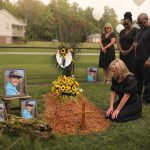
Cora, 5, Dawson, 3, and Callan, 8 months, died at the family’s Duxbury, Massachusetts, home in January 2023.
The central issue at trial has been whether Clancy was legally responsible for her actions at the time.
She has pleaded not guilty by reason of lack of criminal responsibility.
Her defense argues that she was experiencing severe postpartum psychosis and other psychiatric problems that prevented her from understanding that what she was doing was wrong.
Prosecutors strongly dispute that conclusion.
DEFENSE BLAMES A PSYCHIATRIC CRISIS
Defense attorney Kevin Reddington spent his closing argument portraying Clancy as a mother overwhelmed by a devastating psychiatric crisis.
He argued that her mental state had deteriorated despite repeated attempts to obtain treatment.
Reddington also blamed what he described as excessive medication and inadequate medical care for contributing to the tragedy.
At one point, he told jurors that Clancy’s actions were the result of “the damn medicine and the lousy medical care” she received.
The defense has urged jurors to consider the totality of Clancy’s psychiatric history rather than viewing her actions in isolation.
:max_bytes(150000):strip_icc():focal(749x0:751x2):format(webp)/lindsay-clancy-court-080426-1-0d554916be174019b004a84bdf0e8019.jpg) PROSECUTORS SAY SHE KNEW RIGHT FROM WRONG
PROSECUTORS SAY SHE KNEW RIGHT FROM WRONG
Prosecutor Jennifer Sprague presented a sharply different interpretation.
She acknowledged that Clancy had significant mental-health struggles but argued that those problems did not prevent her from understanding the consequences of her actions.
“The issue,” Sprague told jurors, was whether Clancy knew the difference between right and wrong and could conform her behavior to the requirements of the law.
Prosecutors pointed to evidence they say demonstrates planning and awareness.
They argued that Clancy deliberately considered when her husband would be away from the house and took steps that gave her enough time to carry out her plan.
The prosecution also highlighted her internet searches and conversations with family members as evidence that she understood certain thoughts and actions were wrong.
MORE THAN 80 WITNESSES TESTIFIED
The jury has spent approximately five weeks hearing testimony from more than 80 witnesses.
Medical experts offered competing opinions about Clancy’s psychiatric condition.
Friends, relatives, medical professionals and law enforcement officers also testified.
Patrick Clancy, Lindsay’s former husband, took the stand as well.
He has since remarried and has publicly expressed forgiveness toward his former wife.
His testimony added another deeply emotional dimension to a case already centered on an extraordinary family tragedy.
THE DEFENSE POINTS TO HER SUICIDE ATTEMPT
Another major issue has been what happened immediately after the children were killed.
Clancy attempted to take her own life by jumping from a second-story window.
She survived but was left paralyzed from the waist down.
The defense argues that the suicide attempt is consistent with the extreme psychiatric crisis it says she was experiencing.
Prosecutors do not dispute that she attempted suicide.
Instead, they argue that the attempt does not establish that she was legally incapable of understanding her actions at the time of the killings.
TWO COMPLETELY DIFFERENT PORTRAITS
The prosecution and defense have effectively presented two versions of the same woman.
The defense describes Clancy as a loving mother whose severe mental illness spiraled beyond her control.
Prosecutors portray her as a woman who was struggling psychologically but nevertheless retained enough awareness to make decisions, plan her actions and understand that harming her children was wrong.
That distinction could determine the outcome of the case.
THE JURY HAS SEVERAL POSSIBLE OUTCOMES
The jury must now weigh the evidence and apply Massachusetts law.
Possible outcomes include convictions on murder or manslaughter charges, an acquittal, or a finding that Clancy was not criminally responsible because of mental illness.
A murder conviction could result in life imprisonment.
A finding of lack of criminal responsibility would lead to a dramatically different legal path, potentially involving commitment to a psychiatric facility rather than a traditional prison sentence.
NO VERDICT DOES NOT MEAN THE JURY IS DEADLOCKED
The fact that jurors did not reach a verdict during their first day does not reveal which way they are leaning.
They have been asked to evaluate weeks of complicated testimony, including conflicting psychiatric evidence.
The panel consists of nine women and three men.
Their deliberations are expected to continue Friday.
A NATIONAL DEBATE BEYOND THE COURTROOM
The Clancy trial has attracted national attention far beyond Massachusetts.
It has reignited discussions about postpartum psychosis, maternal mental health and whether the criminal justice system adequately recognizes severe psychiatric disorders.
At the same time, the case has raised difficult questions about where the legal line should be drawn between mental illness and criminal responsibility.
For the Clancy family, however, the debate remains painfully personal.
Three children are gone.
And the jury must now decide whether their mother should be held criminally responsible for their deaths.
THE WAIT CONTINUES
For now, there is no verdict.
Clancy remains “scared” and “nervous,” according to her attorney, while 12 jurors continue weighing the evidence.
After five weeks of testimony, the courtroom arguments are over.
The decision now rests entirely with the jury.
And as deliberations continue, one question hangs over the case:
Did Lindsay Clancy understand that what she was doing was wrong — or was she experiencing a psychiatric crisis so severe that she could not be held legally responsible?
The answer could determine the rest of her life.