LINDSAY CLANCY JURY STILL HAS NO VERDICT AFTER 17 HOURS — HERE’S WHAT COULD HAPPEN NEXT
LINDSAY CLANCY JURY STILL HAS NO VERDICT AFTER 17 HOURS — HERE’S WHAT COULD HAPPEN NEXT
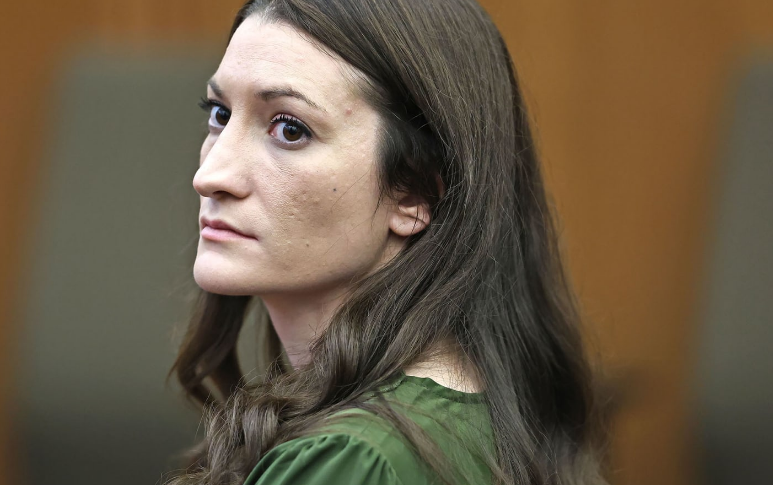
After roughly 17 hours of deliberations, the jury deciding Lindsay Clancy’s fate has still not reached a verdict — leaving one of the most closely watched Massachusetts trials at a critical turning point.
The 12-member jury has spent three days reviewing evidence in Clancy’s trial over the 2023 deaths of her three young children.
Clancy, 36, does not dispute that she killed her children. The central question for jurors is whether she was criminally responsible at the time.
Her defense argues that she was suffering from severe postpartum psychosis and had lost touch with reality. Prosecutors, however, maintain that she understood what she was doing and should be held responsible.
:max_bytes(150000):strip_icc():focal(815x337:817x339):format(webp)/lindsay-clancy-court-81826-d69320396be443bb82f6b993b7d110d3.jpg) JURORS HAVE ALREADY ASKED TO REVIEW KEY EVIDENCE
JURORS HAVE ALREADY ASKED TO REVIEW KEY EVIDENCE
During deliberations, jurors requested to examine several pieces of evidence, including a knife connected to Clancy’s suicide attempt and prescription medication bottles.
The requests have drawn attention because medication and Clancy’s mental state were major themes throughout the trial.
Her defense has argued that her psychiatric condition and medication history contributed to a severe mental-health crisis. Prosecutors have presented a very different interpretation of her behavior and state of mind.
WHAT IF THE JURY CANNOT AGREE?
A prolonged deliberation does not necessarily indicate which way the jury is leaning.
If the jurors ultimately remain deadlocked and cannot reach the required unanimous decision, the judge could declare a mistrial.
That would not automatically end the case. Prosecutors could potentially seek a new trial, meaning the evidence could be presented before another jury.
Legal analyst Neama Rahmani told PEOPLE that a retrial would be a realistic possibility given the seriousness and public attention surrounding the case.
:max_bytes(150000):strip_icc():focal(749x0:751x2):format(webp)/lindsay-clancy-children-080526-99640c7509024a02aa72d8e15d099900.jpg) THE VERDICT COULD TAKE SEVERAL FORMS
THE VERDICT COULD TAKE SEVERAL FORMS
Jurors are not simply choosing between “guilty” and “not guilty.”
They could find Clancy guilty of murder, potentially consider a lesser offense such as manslaughter, or determine that she was not criminally responsible because of a mental disease or defect.
If she were found not criminally responsible, that would not necessarily mean she simply walks free. Massachusetts law allows for possible commitment to a secure mental-health facility if she is considered a danger to herself or others.
CLANCY REMAINS WAITING
Clancy’s attorney previously said she was “nervous” and “scared” as the jury deliberated.
After more than 17 hours of discussion, however, the jury remains without a final answer.
The case has already featured weeks of testimony and sharply conflicting interpretations of Clancy’s mental state.
Now, after years of legal proceedings and more than three days of jury deliberations, the next decision rests entirely with the jurors.
Will they reach a unanimous verdict — or will the historic case move toward another trial?
For now, no verdict has been announced, and the deliberations continue.