Navigating Law, Rights, and Public Disruption: An Analysis of Modern Encounters Between Citizens and Law Enforcement
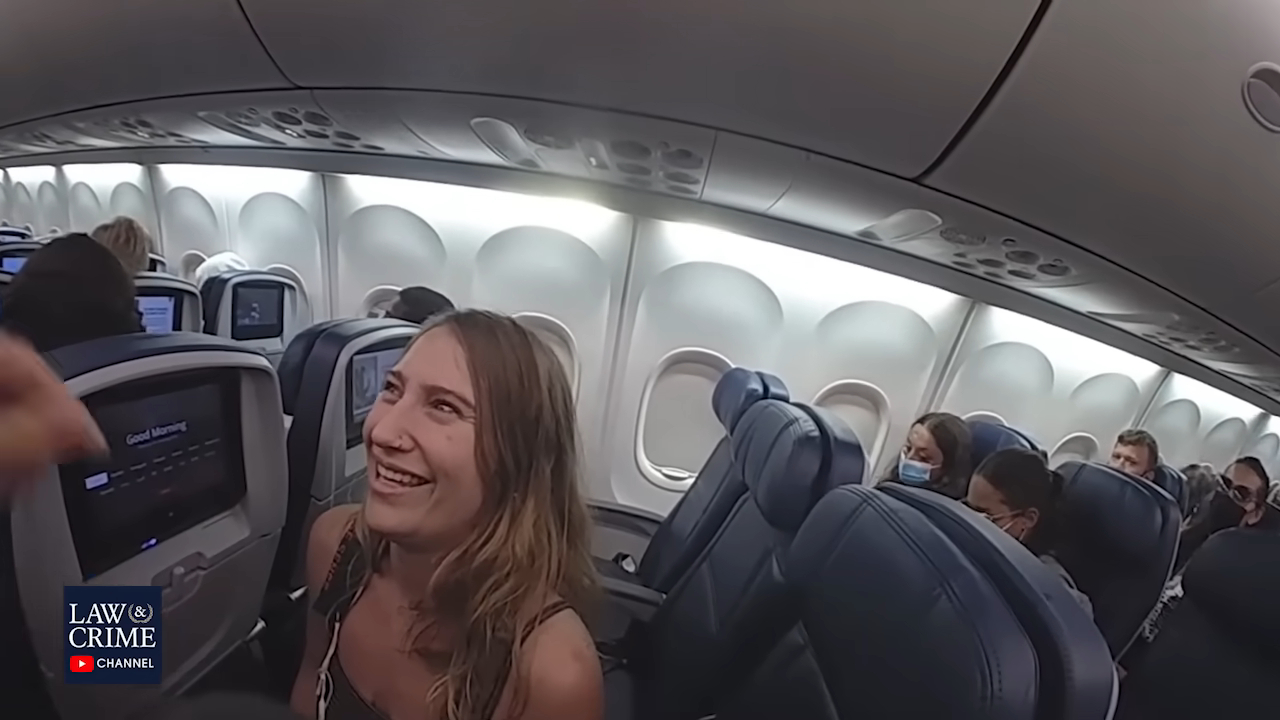
In an era defined by hyper-awareness of personal liberties, law enforcement officers across the globe are increasingly encountering situations where individuals confuse constitutional rights with absolute personal autonomy. The tension between public order and individual rights frequently escalates into high-profile incidents, particularly in restricted environments such as commercial aircraft and private financial institutions. Body camera footage captured during routine law enforcement interventions illustrates the challenges officers face when dealing with disruptive citizens who invoke legal concepts out of context to resist lawful directives.
One prominent area where this friction occurs is within commercial aviation. Air travel relies heavily on strict adherence to security protocols, federal regulations, and crew instruction. When a passenger refuses to comply with safety guidelines or airline policies, the situation escalates rapidly from an administrative dispute to a security threat. In a notable incident aboard a commercial flight, a passenger created a major delay after refusing repeated requests by airline representatives and law enforcement to gather her belongings and leave the aircraft. When confronted by police, the individual asserted that her refusal was protected by her constitutional right to free speech, claiming that speaking her mind was what the country stood for.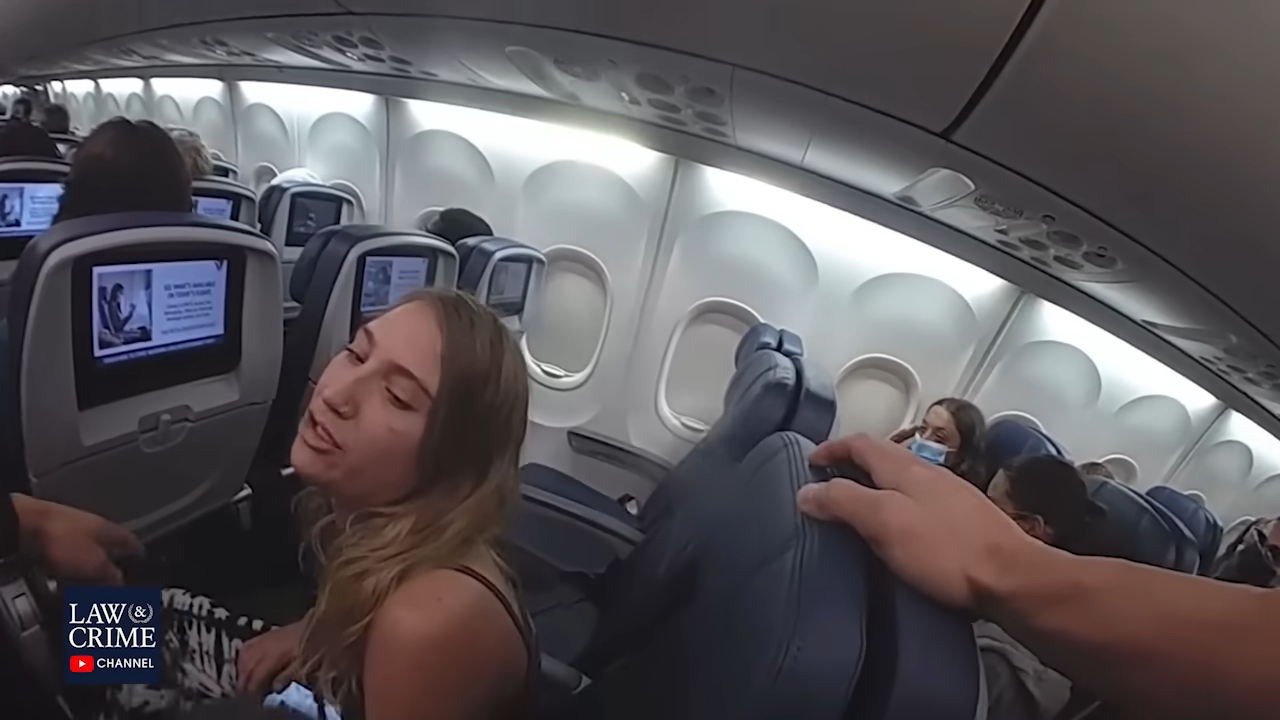
However, law enforcement officers must operate within established legal frameworks. Commercial aircraft are operated by private carriers subject to federal aviation regulations. Flight crews possess legal authority to deny transport to passengers deemed disruptive or non-compliant. The invocation of “freedom of speech” does not override an airline’s authority to enforce safety standards, nor does it shield a passenger from removal when non-compliance disrupts operations. As the passenger continued to refuse voluntary compliance, officers were forced to advise her that her persistent refusal would lead to arrest and the complete deplaning of all passengers on board.
The confrontation escalated further as the dialogue shifted from constitutional assertions to philosophical arguments regarding physical authority and policing. Standing in the aisle while refusing to comply with directives, the passenger repeatedly questioned the officers’ right to touch or physically move her, demanding a human-to-human explanation for their legal standing. She characterized the enforcement action as a “threatening system” rather than an objective legal process, attempting to shift the interaction into a debate on personal trust and moral philosophy.
Law enforcement officers in these scenarios are tasked with maintaining professional objectivity while enforcing compliance. When verbal de-escalation fails and a citizen actively obstructs official operations, officers are legally authorized to exercise reasonable physical force to effect an eviction or arrest. In this instance, officers informed the passenger that her refusal to leave left them with no alternative but physical removal. Despite her attempts to bargain and her claims that the officers were acting unfairly, her continued resistance ultimately led to her being taken into custody for interference and obstruction, illustrating the clear boundary between debate and physical non-compliance under the law.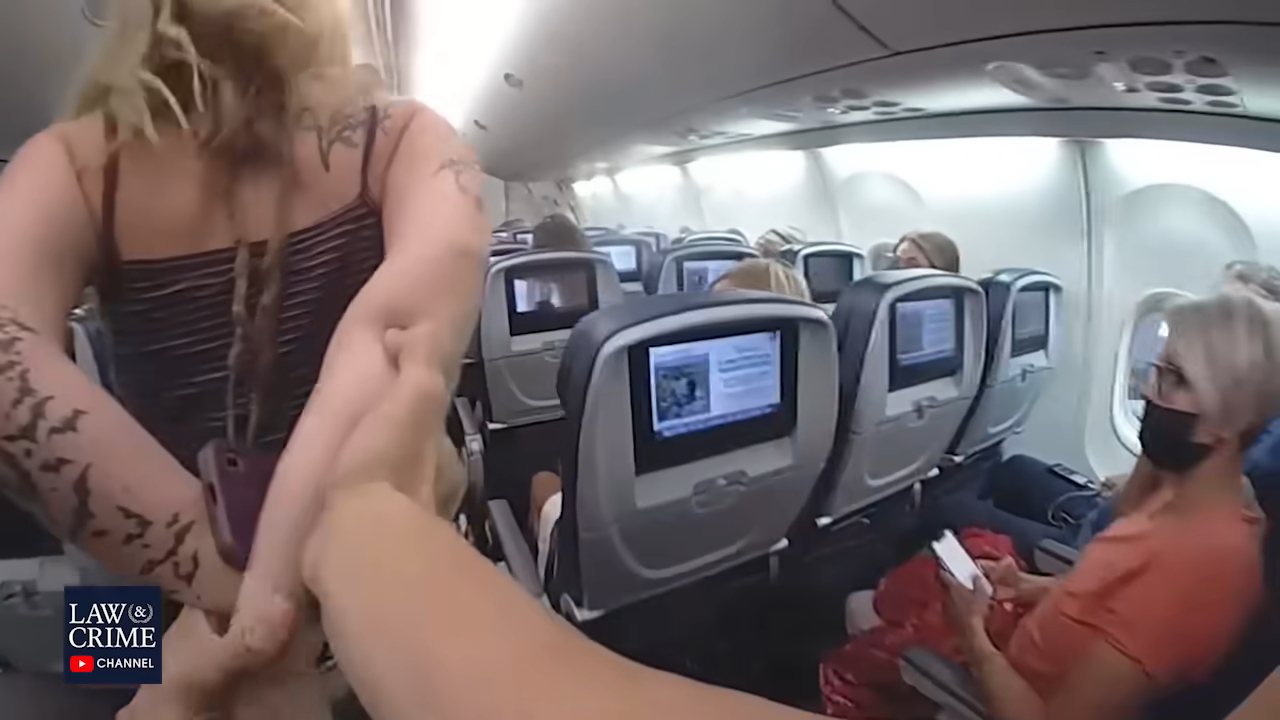
Similar dynamics frequently manifest on private property, particularly within financial institutions where safety protocols are strictly enforced. In another representative incident, law enforcement responded to a disturbance at a local bank where a 65-year-old customer was causing a disruption after refusing to adhere to the establishment’s health and safety guidelines regarding face coverings. The customer insisted on remaining inside to withdraw her money, arguing that her financial relationship with the bank granted her an unconditional right to remain on the premises.
This situation highlights a common misunderstanding regarding public and private spaces. While financial institutions serve the public, they remain private business entities. Under property law, private businesses retain the legal right to establish reasonable conditions of entry and refuse service to individuals who violate company policy. When a customer is formally asked to leave by property management and refuses, their presence transitions from lawful occupancy to criminal trespass.
When responding officers explained that private businesses have the right to enforce their rules and requested that she step outside, the customer challenged the officer’s legal authority, falsely claiming that statutory law prohibited businesses from enforcing such mandates. The responding officers reiterated that while public streets are subject to different standards, private commercial properties are legally entitled to set entry requirements. Upon her continued refusal to vacate the premises, officers were required to execute an arrest for trespassing. The encounter quickly descended into physical resistance, resulting in the individual being restrained on the floor, taken into custody, and provided medical assessment following complaints of injury.
These encounters demonstrate the critical distinction between legal rights and unlawful non-compliance. While citizens are entitled to exercise their constitutional rights and voice grievances, those rights do not grant immunity from regulations governing private property, commercial transport, or public safety. When individuals substitute misconstrued legal concepts for compliance with lawful authority, routine interactions inevitably escalate into legal penalties and police intervention. Understanding the scope and limitations of civil liberties remains essential for maintaining both individual safety and public order.