A DIAGNOSIS IS A CHAPTER, NOT THE WHOLE STORY
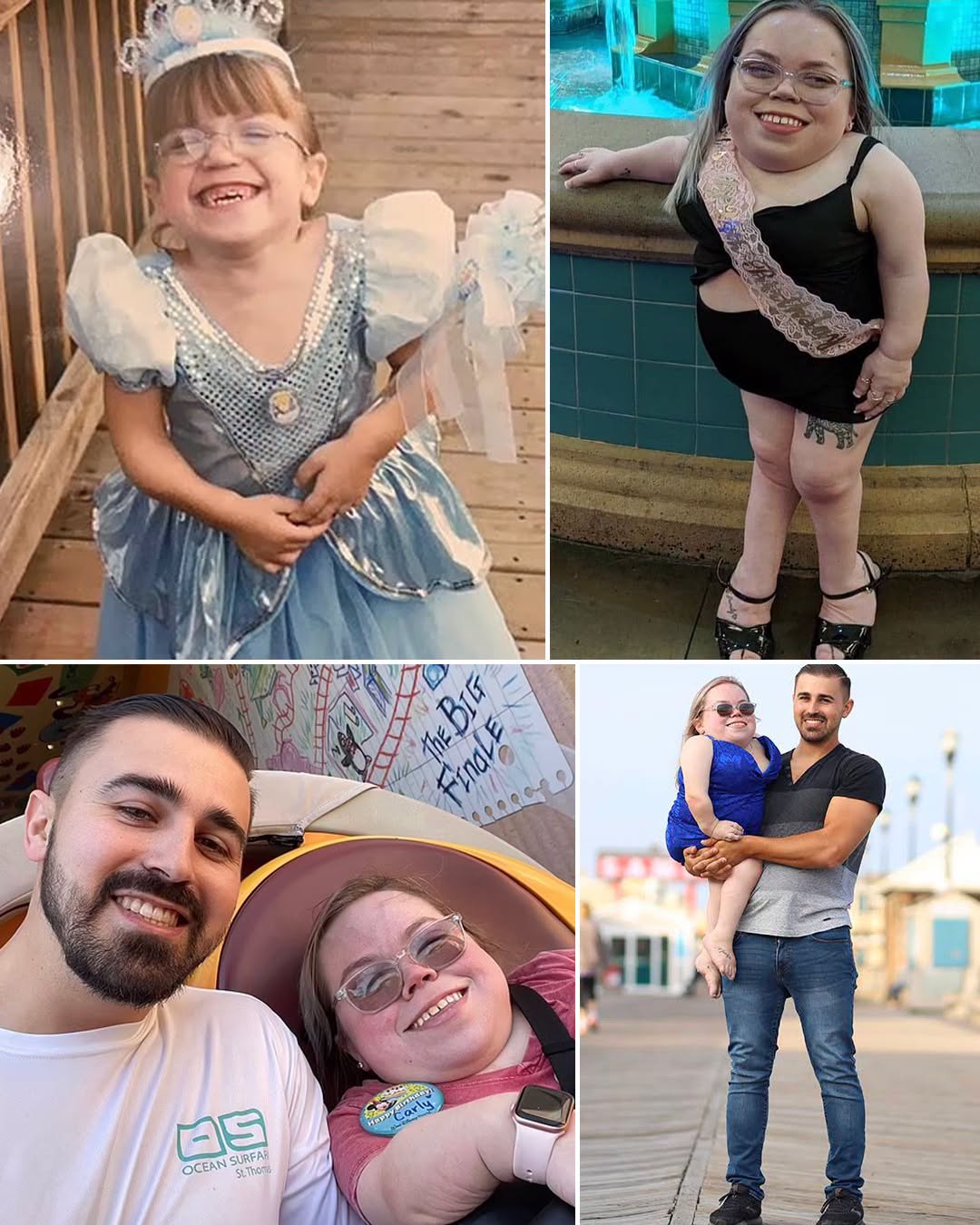
A DIAGNOSIS IS A CHAPTER, NOT THE WHOLE STORY
Carly was only a toddler when one small paragraph in a medical textbook finally gave her family the answer they had been searching for. After months of frustrating tests and wrong explanations, a local doctor came across a rare condition called Morquio Type A. It fit. Carly was around a year and a half old when she was diagnosed with this genetic disorder, which affects the development of bones and cartilage and can cause serious issues with the spine, hips, joints, and mobility.
Getting a diagnosis did not make life simple; it simply meant her family finally knew what they were facing. Over the years, Carly’s care brought her to Nemours Children’s Hospital in Delaware and Dr. William Mackenzie, a specialist in skeletal dysplasia. By around age 8, her hips were causing major problems. Dr. Mackenzie explained that he wanted to create a kind of shelf around them to help keep them stable. Being a child, Carly imagined actual wood, glue, and nails being put inside her body. The medical reality was very different, but the surgery changed her life. Her hips became more stable and much of the pain improved.
Carly kept finding ways to do the things she loved. She even joined cheerleading. There were restrictions—no tumbling, no flying—but nobody told her she couldn’t belong on the team. Her medical journey continued with more surgeries, appointments, and challenges, while many of the doctors and nurses caring for her became almost like family.
Today, Carly tells parents raising children with Morquio something simple: Take the condition seriously, but don’t build the child’s entire life around what they may not be able to do. Help them find a way to participate. Carly never pretended the limitations weren’t real; she simply refused to let them become her entire identity. A diagnosis can explain why someone’s path looks different, but it should never define who they are.