DOCTOR WHO HELPED CONVICT LUCY LETBY NOW SAYS HE IS “NO LONGER CERTAIN”
DOCTOR WHO HELPED CONVICT LUCY LETBY NOW SAYS HE IS “NO LONGER CERTAIN”
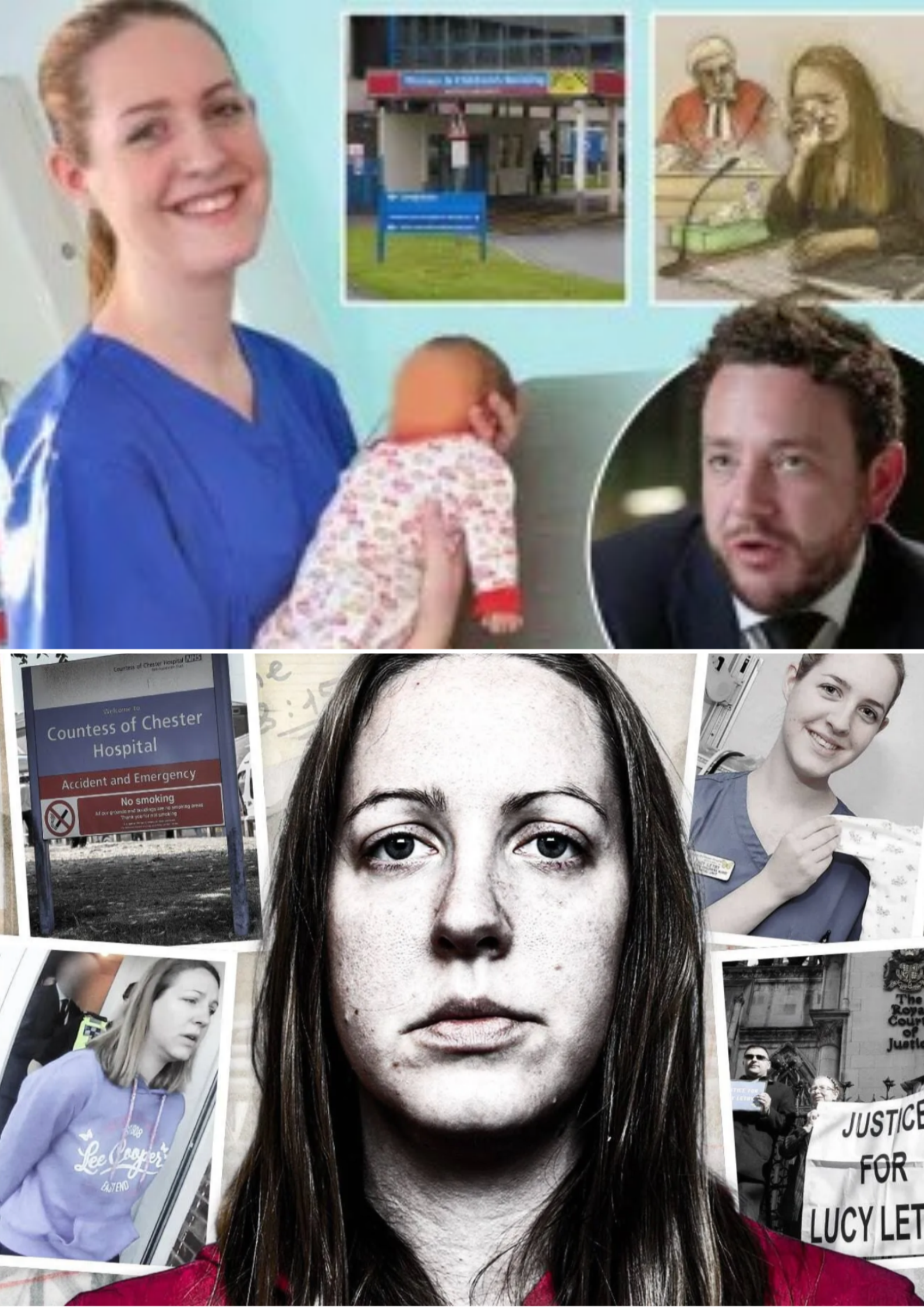
CHESTER, England — A retired pediatrician whose evidence was heard during the prosecution of nurse Lucy Letby has publicly admitted that he is “no longer certain” that she was responsible for the deaths of babies at the Countess of Chester Hospital.
Dr. John Gibbs, who was among the medical professionals involved in raising concerns about events on the hospital’s neonatal unit, has now said he believes a retrial could be appropriate if new evidence raises sufficient questions about the convictions.
His comments have reignited debate around one of Britain’s most closely watched criminal cases.
But despite Gibbs’ change of view, Lucy Letby’s convictions remain in force.
 “I’M NO LONGER CERTAIN”
Gibbs has said that he is no longer completely convinced that the babies’ deaths and collapses were the result of deliberate harm.
His position represents a significant change from the evidence and conclusions surrounding the original investigation.
The retired doctor has argued that new medical opinions and questions surrounding the evidence should be examined carefully rather than dismissed.
He has also said that a new trial could potentially be the most appropriate way for those issues to be tested.
However, Gibbs’ comments are an expression of his current view. They are not a court ruling and do not establish that Letby was wrongly convicted.
THE THIRLWALL INQUIRY ADDED FRESH SCRUTINY
Gibbs’ comments came shortly after the publication of the final report from the Thirlwall Inquiry, which examined what happened at the Countess of Chester Hospital before, during and after the period in which babies collapsed and died.
The inquiry identified serious failures in hospital management, governance and safeguarding.
It found that concerns raised by clinicians were not dealt with appropriately and that hospital leadership failed to respond adequately to warnings about possible deliberate harm.
However, the inquiry was not established to decide whether Letby was guilty or innocent.
The report specifically distinguished its work from the criminal proceedings and noted that the Criminal Cases Review Commission (CCRC) was considering Letby’s case.
 LETBY WAS CONVICTED OF MURDERING SEVEN BABIES
Letby was convicted in 2023 of murdering seven babies and attempting to murder six others while working as a neonatal nurse.
She was sentenced to whole-life imprisonment.
In a subsequent trial in 2024, she was convicted of another attempted murder involving a premature baby.
Letby has consistently denied murdering the babies.
Her legal team has continued to challenge aspects of the evidence used against her, while prosecutors and other experts have defended the conclusions reached during the trials.
The convictions have not been overturned.
WHAT MADE GIBBS CHANGE HIS VIEW?
That question has become one of the most closely watched aspects of his recent comments.
Online posts have suggested that some kind of “behind-the-scenes pressure” forced the retired doctor to change his position.
There is, however, no verified evidence establishing that such pressure occurred.
Gibbs has publicly pointed instead to questions about the medical evidence and the emergence of alternative interpretations of what happened to the babies.
That distinction is important.
A change in an expert’s personal assessment does not automatically invalidate a jury’s verdict, nor does it prove that another explanation for the babies’ deaths is correct.
THE LEGAL FIGHT CONTINUES
The Criminal Cases Review Commission is examining material connected to Letby’s case.
If the commission concludes that there is a real possibility that a conviction may be unsafe, it can refer the case back to an appeal court.
Until such a referral results in a successful appeal, however, Letby’s convictions remain legally valid.
The controversy surrounding the case has also intensified following the Thirlwall Inquiry, which exposed major failures in the hospital’s management and safeguarding systems.
For the families involved, the debate is deeply painful.
For the legal system, the central question remains whether any new evidence is sufficient to justify reopening convictions that were reached after two criminal trials.
Dr. Gibbs’ statement has therefore added another layer to an already extraordinary case — but the significance of his doubts will ultimately depend on the evidence and on what the courts and the CCRC decide to do with it.