NEW CHALLENGES TO LUCY LETBY CASE AS EXPERTS QUESTION STATISTICAL AND MEDICAL EVIDENCE USED AT TRIAL
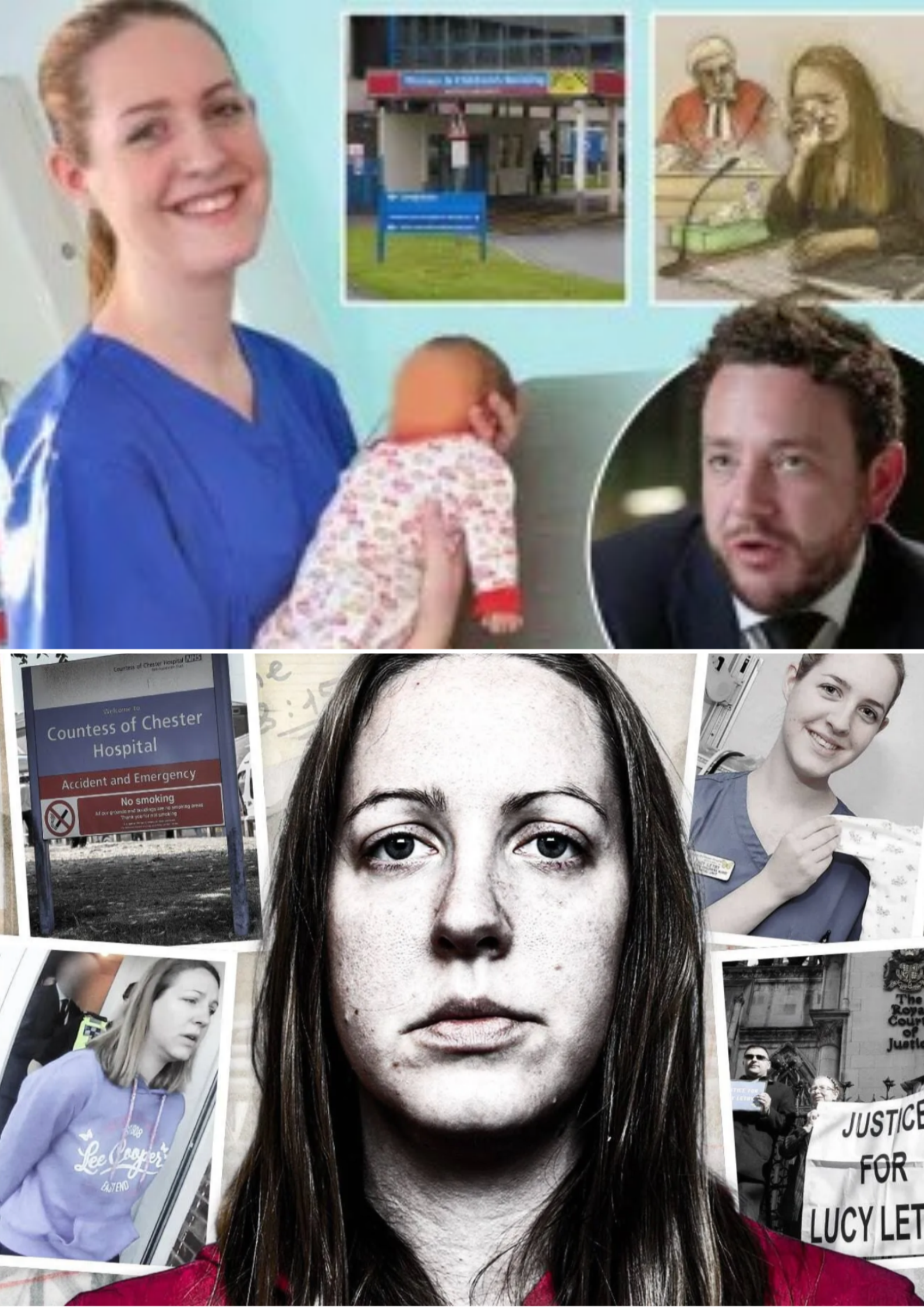
NEW CHALLENGES TO LUCY LETBY CASE AS EXPERTS QUESTION STATISTICAL AND MEDICAL EVIDENCE USED AT TRIAL
Fresh challenges to the evidence used to convict former neonatal nurse Lucy Letby have reignited debate over the safety of her convictions, after medical and statistical experts raised questions about material considered during the original investigation and trial.
Letby is serving 15 whole-life orders after being convicted of murdering seven babies and attempting to murder seven others at the Countess of Chester Hospital between 2015 and 2016.
She has consistently denied the offences.
The latest developments do not overturn her convictions. However, material submitted to the Criminal Cases Review Commission (CCRC) is now being examined as part of an application seeking another opportunity to challenge the case at the Court of Appeal.
 INTERNATIONAL EXPERTS CHALLENGE MEDICAL EVIDENCE
One of the most significant challenges has come from Canadian neonatologist Dr Shoo Lee, whose earlier research on air embolism was cited by the prosecution during Letby’s trial.
Dr Lee subsequently questioned how his research had been interpreted in the case.
An international panel assembled by Dr Lee reviewed thousands of pages of medical material connected with the case. According to reports, the panel included neonatologists, a paediatric surgeon, a paediatric infectious-disease specialist, a neonatal nurse and other specialists from several countries.
The panel’s conclusions have been presented by Letby’s legal team as significant new evidence. The experts have disputed a number of the medical explanations used at trial and argued that some of the babies’ collapses or deaths could have alternative medical explanations.
Those conclusions remain contested. They have not resulted in Letby’s convictions being overturned.
 QUESTIONS OVER THE STATISTICS
A separate controversy concerns the statistical analysis carried out during the investigation.
Professor Jane Hutton, a leading medical statistician, has said she was approached by Cheshire Police in 2018 to examine the likelihood of one member of staff being present during all of the relevant deaths or collapses.
According to reporting on her work, Hutton warned against beginning the analysis by focusing on a single individual and recommended a broader examination of the data, including medical conditions and wider ward performance.
A consultancy agreement was established, but the proposed analysis was not ultimately pursued in the way she had suggested.
Police later returned to the issue after Letby had been charged, but further work on the statistical evidence was not taken forward.
Hutton has since raised concerns about the completeness of the data and the way staff shift information was selected and analysed.
In particular, she has questioned whether focusing on selected shifts could create selection bias and has argued that potentially relevant information was not included in the analysis.
Cheshire Police has rejected the criticisms and continues to stand by the investigation and the legal process.
WAS IMPORTANT MATERIAL LEFT OUT?
The statistical controversy has led to renewed questions about what information was available to investigators and prosecutors before Letby’s trial.
However, there is an important distinction between evidence that was not pursued, evidence that was not relied upon and evidence that was deliberately concealed.
There is currently no established public finding that the Crown Prosecution Service deliberately buried a statistical error from the jury.
The CCRC has received substantial expert material from Letby’s legal team, but much of the underlying documentation is not publicly available because it forms part of an ongoing review.
One later report submitted to the CCRC in July 2026 reportedly contained a detailed analysis of the insulin evidence in cases involving Babies F and L. The report was said to identify alleged factual errors and omissions in prosecution expert Professor Peter Hindmarsh’s evidence and to raise questions about alternative explanations for the babies’ insulin levels.
The report itself has not been published in full.
THE CCRC IS EXAMINING NEW MATERIAL
Letby’s legal team submitted an application to the Criminal Cases Review Commission in February 2025.
The CCRC’s publicly available chronology records the submission of independent expert reports, additional reports and written legal submissions during 2025.
The commission has not announced that it has found Letby’s convictions unsafe.
Its role is to examine whether there is sufficient new evidence or argument to justify referring a conviction back to the Court of Appeal.
Letby has already unsuccessfully challenged her convictions through the normal appeal process.
A CCRC referral would therefore represent a further stage in the legal process rather than an automatic finding that she was wrongly convicted.
CPS DECISION ON FURTHER ALLEGATIONS
The Crown Prosecution Service has also faced renewed attention following its decisions concerning additional allegations involving babies at the Countess of Chester Hospital and Liverpool Women’s Hospital.
In January 2026, the CPS said it had reviewed evidence supplied by Cheshire Constabulary concerning further deaths and non-fatal collapses.
Prosecutors concluded that the evidential test for additional murder or attempted-murder charges was not met.
In August, following requests from families for the decisions to be reviewed, an independent prosecutor completed a further review and upheld the original decision not to bring additional charges.
That decision concerns potential additional offences and does not overturn Letby’s existing convictions.
THIRLWALL INQUIRY FOUND SERIOUS HOSPITAL FAILURES
The renewed debate over Letby’s convictions comes shortly after the publication of the Thirlwall Inquiry report.
The inquiry examined what happened at the Countess of Chester Hospital and how concerns about the safety of babies and Letby’s conduct were handled.
Published on September 15, 2026, the report found serious failures in hospital management, governance and safeguarding.
Lady Justice Thirlwall said there had been a failure to protect babies and criticised the prolonged delay before police were contacted after concerns were raised about Letby.
The inquiry found that concerns raised by clinicians were not properly acted upon and that some doctors themselves became the subject of internal investigations.
It also criticised reviews commissioned by hospital management, saying they did not properly address whether deliberate harm could have been occurring.
However, the inquiry was not an appeal court and did not determine whether Letby’s criminal convictions were safe or unsafe.
THE DEBATE OVER THE CONVICTIONS CONTINUES
The case has now developed into two separate but overlapping debates.
The first concerns the failures at the hospital before police became involved, including the delay in responding to doctors’ concerns.
The second concerns the evidence presented at Letby’s criminal trials and whether newly produced medical and statistical material could alter the