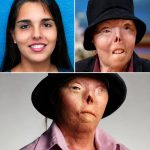
REBUILDING FUNCTION AND HOPE: THE COMPLEX RECONSTRUCTION OF NOMA SURVIVORS
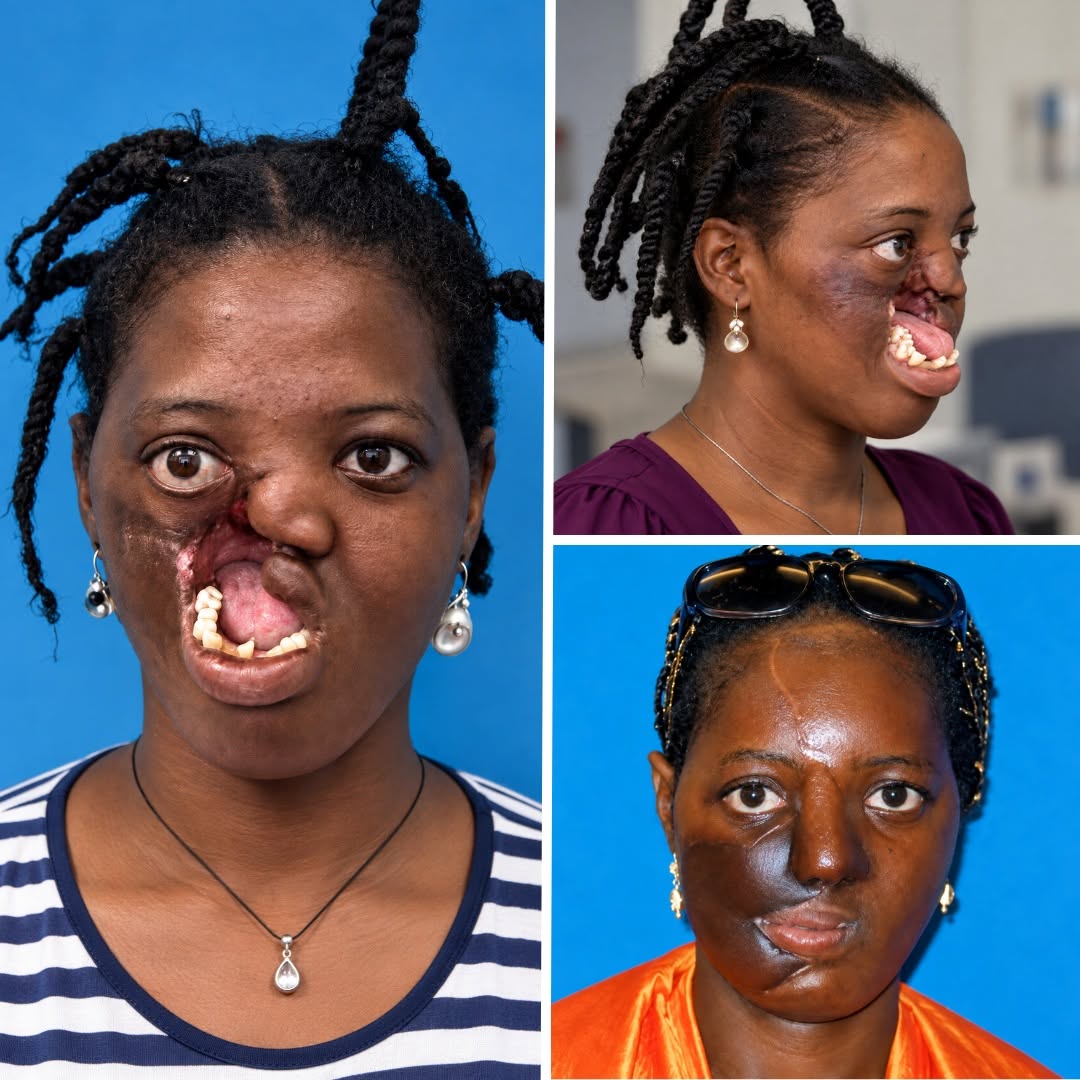
REBUILDING FUNCTION AND HOPE: THE COMPLEX RECONSTRUCTION OF NOMA SURVIVORS
Noma, also known as cancrum oris, is a rapidly destructive infection strongly associated with severe malnutrition, poor oral hygiene, and lack of medical access. It destroys facial tissues, consuming skin, muscle, and underlying bones like the jaw and nose. For survivors, the disease leaves extensive defects that expose the oral cavity and impair basic functions such as eating, speaking, and breathing. Beyond tissue loss, severe scar contracture often causes trismus, a condition that severely restricts jaw movement and keeps the mouth locked shut.
Reconstructing these devastating injuries requires far more than covering a surface scar. Surgeons must release contracted tissue to restore mobility before rebuilding missing bone, the inner mouth lining, and outer facial contours. Advanced microsurgical techniques, such as transferring a radial forearm free flap along with its blood vessels, provide thin and flexible tissue ideal for reconstructing the mouth and central face. When structural support is lost, bone grafts from the ribs or other areas are incorporated, alongside forehead flaps for nasal reconstruction.
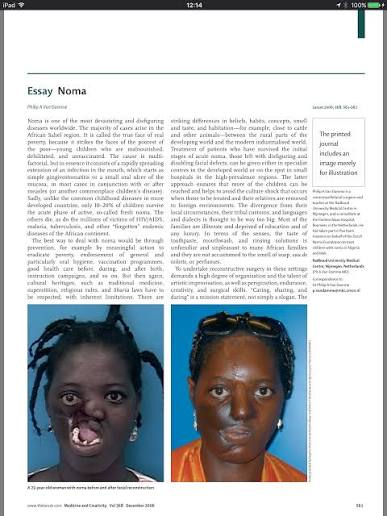
Because of the severe complexity, treatment is rarely completed in a single operation. Multi-stage procedures are often required over months or years, followed by revision surgeries to refine tissue shape and prevent recurrent scarring. Ultimately, the true goal of post-noma reconstruction extends far beyond aesthetic improvement. It is a long, multi-disciplinary effort focused on restoring vital human functions—allowing survivors to open their mouths, eat properly, speak clearly, and regain their quality of life.