🚨⚖️ CHRISTA PIKE SURVIVED HER OWN EXECUTION — NOW, HER FUTURE COULD HANG IN THE BALANCE.
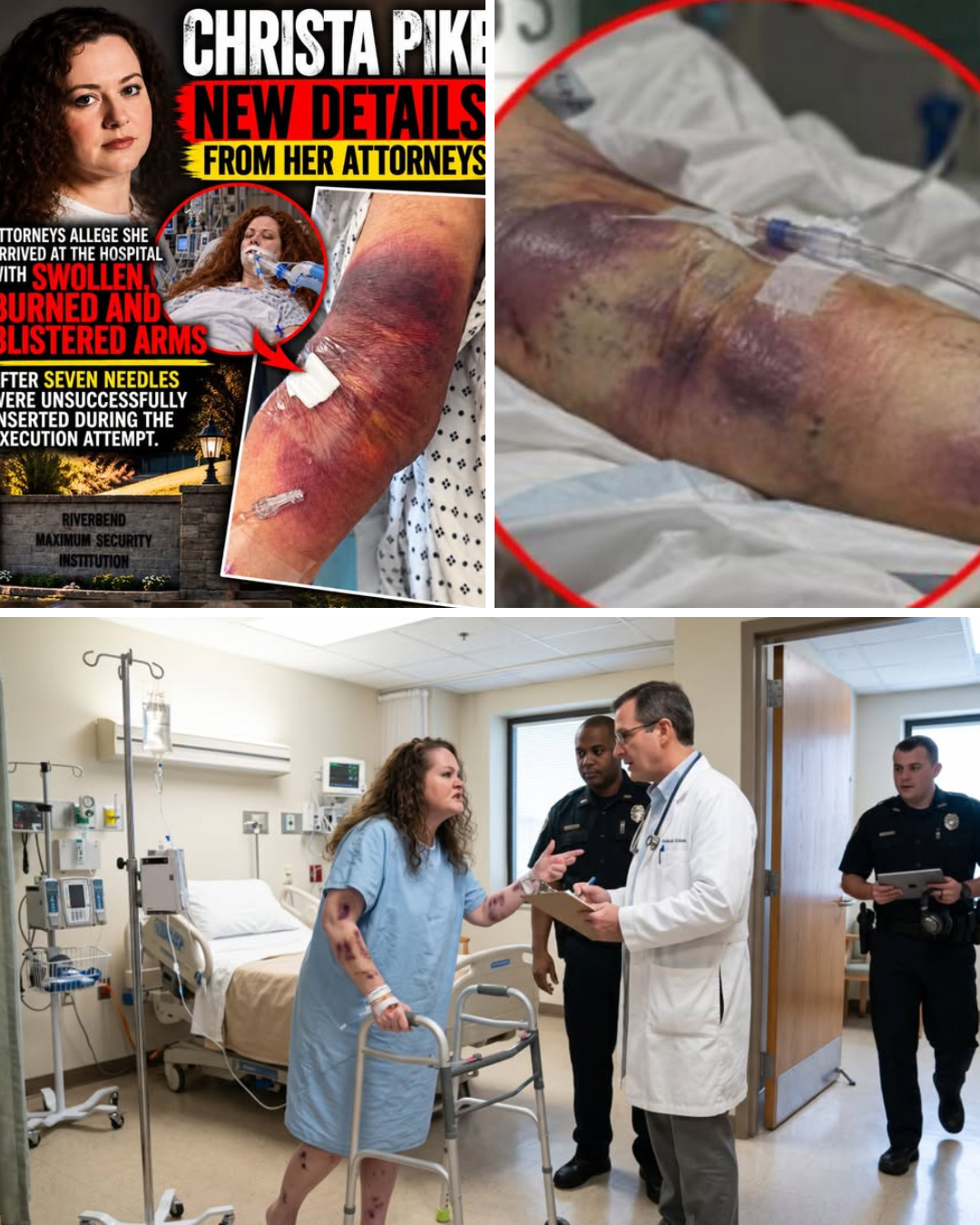
🚨⚖️ CHRISTA PIKE SURVIVED HER OWN EXECUTION — NOW, HER FUTURE COULD HANG IN THE BALANCE.
She was supposed to die on September 30.
Instead, after Tennessee officials administered two doses of lethal-injection drugs, Christa Pike was still alive. The execution attempt was halted, and she was rushed to a hospital in a case that has raised serious questions about what went wrong inside the execution chamber.
Now, the 50-year-old inmate is back in prison — but the battle over what happens next may be far from over.
According to her attorneys, Pike has made a remarkable physical recovery. She regained consciousness, began speaking, and was later able to take a few steps with assistance. But her recovery has not been simple. Her lawyer said she remains mentally foggy, experiences pain when using her arms and hands, and is dealing with significant psychological trauma following the failed execution.
She survived — but what will the experience mean for the rest of her life?
That question is now part of a much larger legal fight.
Pike’s attorneys are continuing to ask Tennessee Governor Bill Lee to commute her death sentence to LIFE WITHOUT PAROLE. They argue that what happened during the September 30 execution attempt raises serious legal and constitutional questions that cannot simply be ignored.
And let’s be clear: a commutation would not mean Pike walks free. Life without parole would still mean spending the remainder of her life behind bars, with no ordinary opportunity for release.
But the failed execution has placed Tennessee in an extraordinary position.
For nearly three decades, Pike has remained on death row for the 1995 murder of 19-year-old Colleen Slemmer, a crime committed when Pike was 18. Her conviction and sentence remain in place. The fact that she survived the execution attempt does not erase the crime or automatically change her punishment.
What has changed is the situation surrounding the state’s attempt to carry out that sentence.
Her attorneys have sought to preserve evidence connected to the execution, including medical equipment, records, photographs, recordings and communications. A judge ordered officials to preserve relevant evidence as the legal dispute continues.
Meanwhile, Tennessee has suspended scheduled executions for the remainder of 2026 while an independent review examines what happened. The state’s prison chief has also announced his departure, adding to the scrutiny surrounding the incident.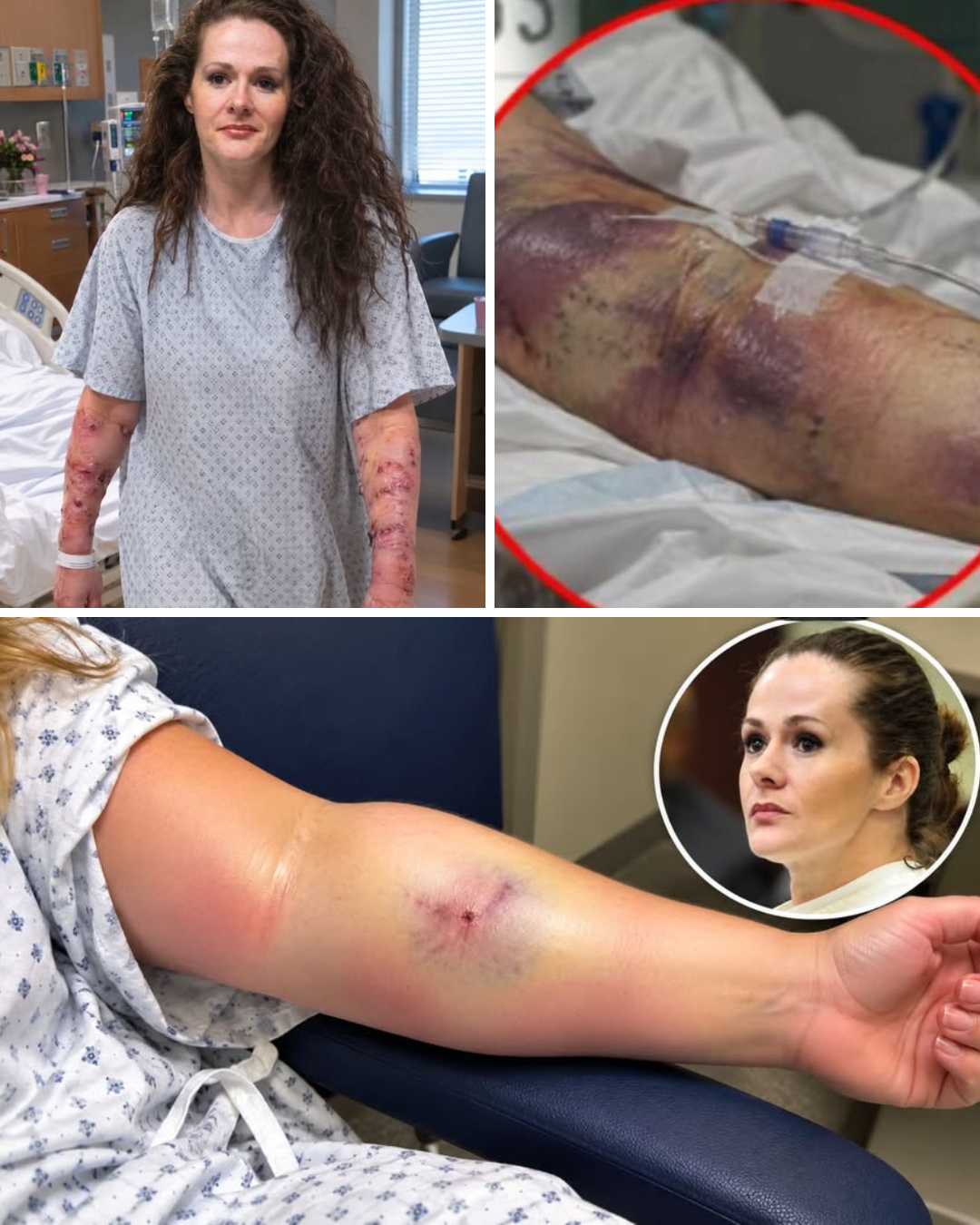
The central questions remain unanswered: Why did the execution fail? What long-term physical and psychological effects will Pike experience? And what legal options remain if Tennessee seeks to carry out the death sentence again?
For Pike, the immediate priority is recovery. For her attorneys, the fight now extends beyond the execution chamber and into the courts, where the consequences of the failed procedure may become a major issue.
A request for commutation is not a guarantee of success. Governor Lee previously rejected her clemency request before the September execution attempt, and no decision granting life without parole has been announced.
Still, her survival has created a situation few could have anticipated — one that now involves medical uncertainty, evidence preservation, constitutional arguments and a death sentence that remains legally active.
She was sentenced to die. The state attempted to carry out that sentence. She survived. Now, the question is whether Tennessee will try again — or whether the failed execution will change the course of her case.
⚖️ Do you believe Christa Pike’s sentence should remain the death penalty, or should it be changed to life without parole?