CHRISTa PIKE WAS BELIEVED TO BE BRAIN-DEAD — THEN SHE WOKE UP AND STARTED TALKING
CHRISTa PIKE WAS BELIEVED TO BE BRAIN-DEAD — THEN SHE WOKE UP AND STARTED TALKING
Her attorneys say they were preparing for the worst after Tennessee’s failed execution attempt. Now, newly revealed emergency calls are raising further questions about what happened that night.
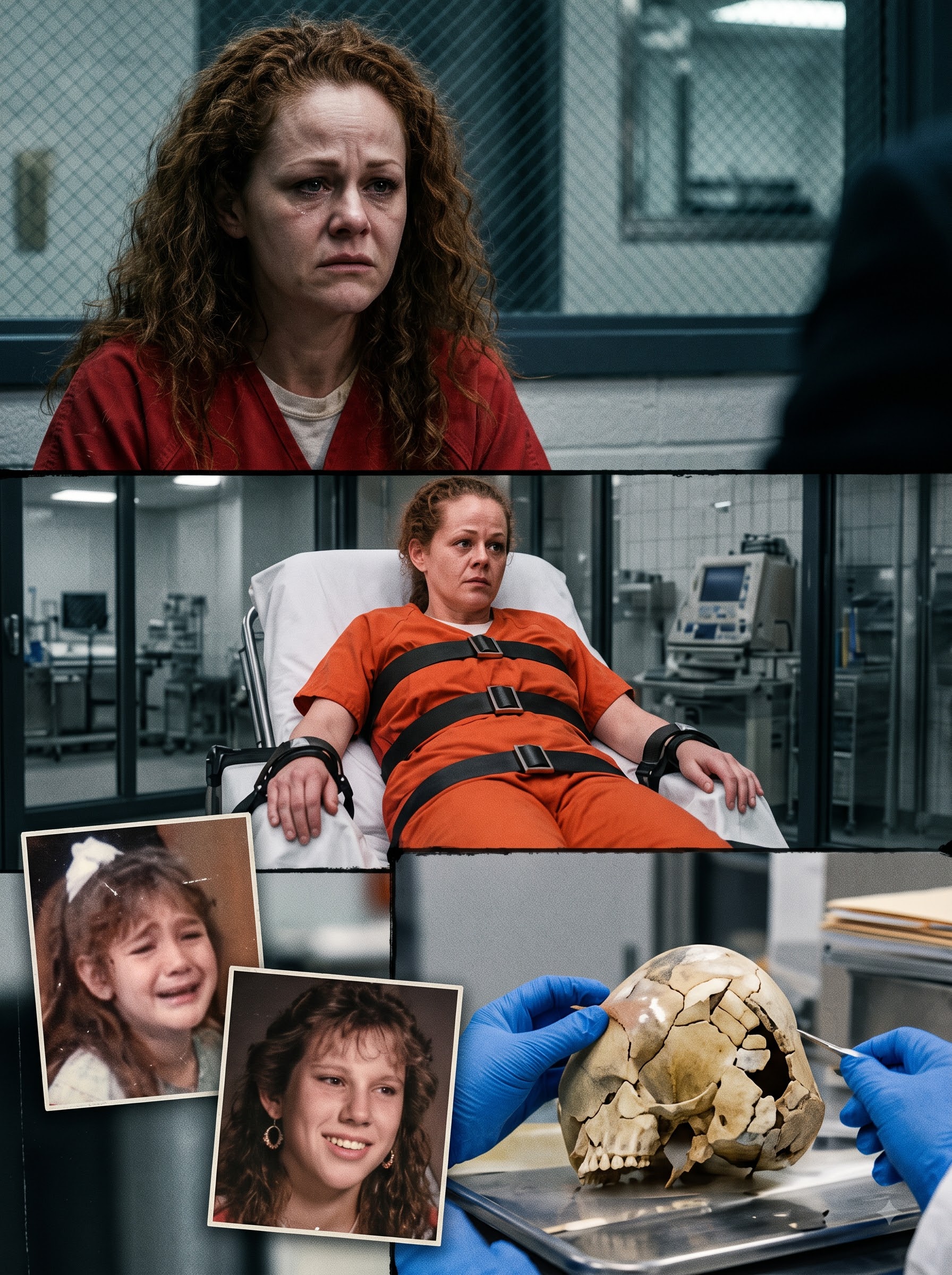
Christa Pike’s case has taken a shocking turn after her attorneys said they believed she was brain-dead and expected life support to be withdrawn — only for the 50-year-old death-row inmate to regain consciousness and begin speaking the following morning.
The extraordinary development came days after Tennessee attempted to execute Pike by lethal injection on September 30, 2026. She survived the procedure but was rushed to a hospital in critical condition.
According to her legal team, they were told on the evening of October 5 that Pike was believed to be brain-dead and that life support would be withdrawn the next day.
But on October 6, she unexpectedly woke up.
Her attorney, Randy Spivey, said she was confused and began asking questions, including: “Where am I, and who are you?”
The attorneys said they could not explain the dramatic change in her condition.
 A SURVIVAL THAT RAISED URGENT QUESTIONS
Pike had received two doses of the lethal-injection drug pentobarbital during the attempted execution at Riverbend Maximum Security Institution in Tennessee.
The procedure did not result in her death, and she was taken to hospital for emergency treatment.
Her attorneys reported serious injuries, including significant swelling and damage to her arms, pneumonia and a blood clot. At the time, they said her long-term recovery remained uncertain.
The failed procedure has prompted questions about the state’s execution protocols and the medical care provided to Pike. Her legal team has argued that the incident warrants a thorough investigation and renewed its request for her death sentence to be commuted to life imprisonment without parole.
 NEW 911 RECORDINGS REVEAL CONFUSION
The controversy intensified after emergency-call recordings became public in October.
According to reporting by The Washington Post, confusion over verification procedures delayed emergency responders for more than 30 minutes. An initial call reporting Pike’s medical emergency was reportedly treated as unverified before the situation was escalated.
Pike’s attorney also contacted emergency dispatchers to stress that she needed immediate medical assistance.
The recordings have raised questions about how the emergency was handled and whether the response could have been faster. Officials are facing scrutiny as investigators examine the failed execution.
Tennessee Governor Bill Lee suspended executions in the state for the remainder of 2026 and ordered an independent review following the failed attempts involving Pike and another prisoner earlier in the year.
HER CONDITION IMPROVED — BUT QUESTIONS REMAIN
Pike’s recovery continued in the days after she regained consciousness. Her attorneys later reported that she was able to take limited steps with assistance, that her arms were beginning to regain movement and strength, and that she had started eating a regular diet.
On October 10, her legal team announced that she had been discharged from hospital and returned to the Debra K. Johnson Rehabilitation Center in Nashville, where she had been held before the attempted execution. She continues to receive medical care.
Her attorneys have also asked the courts to ensure that evidence related to the incident — including syringes, intravenous lines, medical records, recordings and internal communications — is preserved for investigation.
It remains unclear what the full findings of the investigation will be or whether Pike will face another execution attempt.
A CASE THAT IS FAR FROM OVER
Pike was sentenced to death for the 1995 murder of 19-year-old Colleen Slemmer, a classmate she killed as a teenager. Her conviction remains in place.
Her legal team is now pressing for the state to commute her sentence, while the failed execution has intensified a wider debate over the reliability, safety and oversight of lethal injection.
For now, Pike’s survival has left authorities facing serious questions about the procedure and the emergency response that followed.
What happened inside the execution chamber — and how did a procedure intended to end her life leave her fighting to recover? Those questions remain at the center of an investigation that could have far-reaching consequences.
Sources: The Associated Press, October 7, 2026; Reuters, October 7, 2026; The Washington Post, October 13, 2026; CBS News, October 10, 2026.