THE HIDDEN STRUGGLE: LINDSAY CLANCY’S PRIVATE JOURNAL ENTRIES REVEALED IN COURT
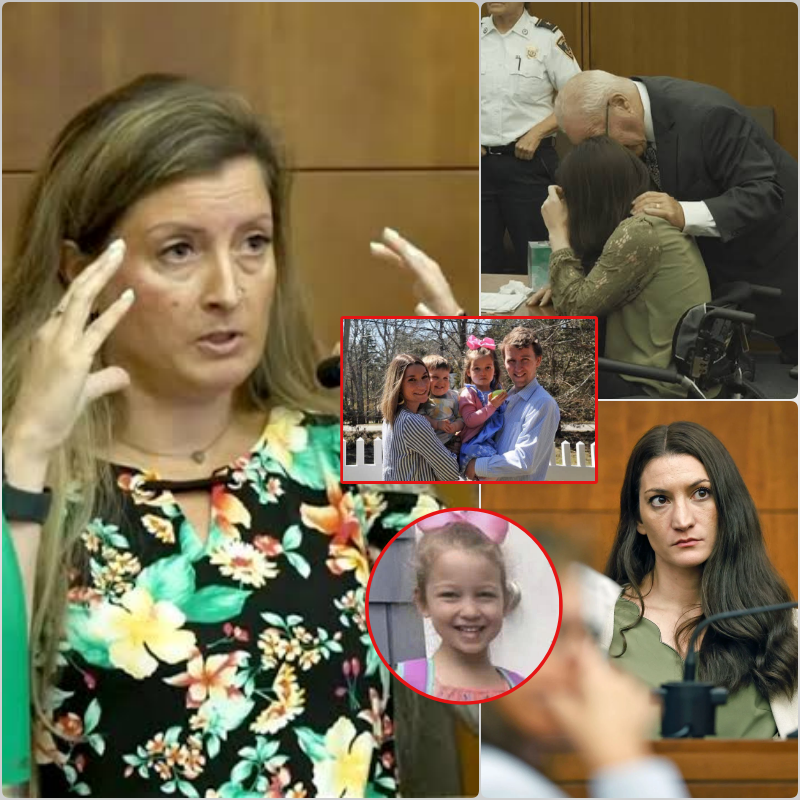
THE HIDDEN STRUGGLE: LINDSAY CLANCY’S PRIVATE JOURNAL ENTRIES REVEALED IN COURT
Sapo: New evidence presented during Lindsay Clancy’s murder trial has given jurors a rare glimpse into her state of mind in the months before the deaths of her three children. Handwritten journal entries described overwhelming exhaustion, sleeplessness and a desperate desire for relief—evidence that has become central to the competing arguments over her mental state.
 PRIVATE WORDS ENTER THE COURTROOM
For the first time during the trial, jurors have heard passages from Lindsay Clancy’s personal writings.
A handwritten journal was entered into evidence during proceedings in Plymouth Superior Court, with both prosecutors and the defense reading portions of the entries to the jury.
The writings provide a deeply personal account of a woman describing how overwhelmed she felt while caring for her children.
One November 2022 entry described her desperation for a mental break and her feeling that her mind was constantly focused on what someone else needed.
Another entry described her as “completely overwhelmed.”
 “MY MIND NEVER SHUTS OFF”
The journal entries have become important because the central issue in the trial is not simply whether Clancy killed her children.
Both sides acknowledge that she was responsible for their deaths.
The legal dispute centers largely on her mental state and criminal responsibility.
The defense argues that Clancy was experiencing severe postpartum psychiatric illness, including postpartum psychosis, and that her mental condition affected her ability to understand reality and control her actions.
Prosecutors have presented a sharply different interpretation.
A HISTORY OF MENTAL-HEALTH STRUGGLES
Other testimony has provided additional context for the journal entries.
Clancy’s psychiatrist, Dr. Jennifer Tufts, testified that Clancy’s depression was worsening during late 2022 and that she reported anxiety and suicidal thoughts. However, Tufts also testified that Clancy did not display signs of psychosis during the appointments she conducted.
A social worker, Letiesha Dukes, separately testified that Clancy had reported thoughts of not wanting to be alive but did not express a specific suicide plan.
Dukes said she therefore did not consider Clancy to present an immediate danger at the time.
Those details have become part of the defense’s broader argument that Clancy’s deteriorating condition was not adequately recognized.
WHAT DID THE PEOPLE AROUND HER KNOW?
The evidence has also raised questions about how much Clancy’s family and medical providers understood about what she was experiencing.
Friends and relatives have described her as a loving and attentive mother.
At the same time, medical witnesses have described increasing depression and anxiety in the months before the killings.
The resulting picture is complicated.
There were signs that Clancy was struggling.
But whether those signs should have indicated an imminent risk of violence is a separate question—and one the jury ultimately must consider.
THE PROSECUTION’S RESPONSE
Prosecutors have challenged the defense’s portrayal of Clancy’s mental state.
Their case emphasizes her conduct and responsibility surrounding the January 24, 2023 deaths.
The prosecution has also questioned aspects of the evidence surrounding her later claims of hearing voices.
A Massachusetts state trooper testified that investigators found no basis for one allegation that a psychologist had influenced Clancy to tell her husband that she heard voices.
The competing interpretations of these events are now being placed before the jury.
THE EVIDENCE IS EMOTIONAL—BUT THE JURY MUST FOCUS ON THE LAW
The trial has already included extremely emotional testimony.
On August 12, jurors heard medical examiners describe the children’s autopsies, while Clancy became visibly distressed in court. The judge has repeatedly emphasized the need for jurors to decide the case based on evidence rather than emotion or sympathy.
The court has also restricted public access to some of the most graphic evidence, including autopsy photographs and a 911 recording.
Those materials may be shown or played for jurors, but they cannot simply be distributed publicly.
WHAT THE JOURNAL CAN—and CANNOT—PROVE
The writings offer an important window into Clancy’s thoughts before the killings.
But a journal entry describing exhaustion or depression does not, by itself, establish postpartum psychosis.
Likewise, evidence that Clancy was receiving psychiatric treatment does not automatically establish that she was legally incapable of understanding her actions.
Those questions require the jury to consider the full body of medical testimony, documentary evidence and expert opinions presented during the trial.
THE CENTRAL QUESTION
The journal entries have given the public a glimpse into the private struggles Clancy described before the tragedy.
But they do not provide a simple explanation for what happened.
Instead, they form one part of a much larger legal dispute.
Was Clancy experiencing a severe psychiatric disorder?
Were the warning signs recognized and properly treated?
And did her mental state ultimately affect her criminal responsibility?
Those are among the questions the jury must weigh as the trial continues.
The evidence heard so far suggests that Clancy was struggling significantly before January 2023.
What remains for the jury to determine is what that evidence means under the law.
Independent commentary based on publicly reported court proceedings. Claims made by either side remain allegations or legal arguments unless established by the court.