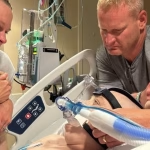
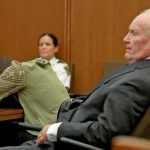
“THE STORY IS MORE COMPLICATED” — LINDSAY CLANCY TRIAL TURNS TO THE EVIDENCE BEHIND THE TIMELINE
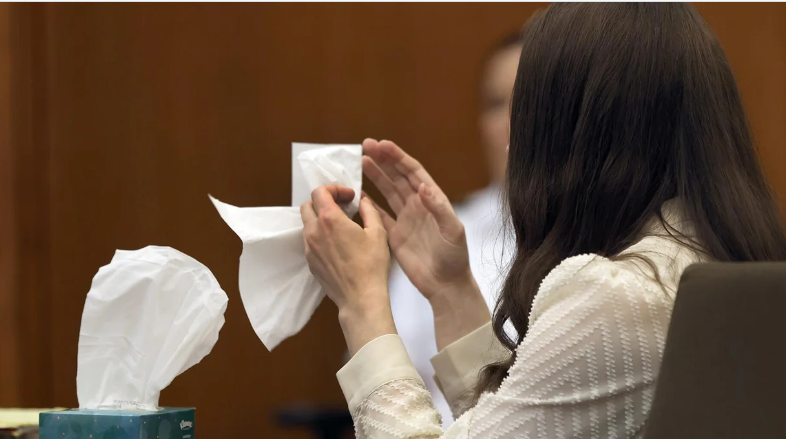
“THE STORY IS MORE COMPLICATED” — LINDSAY CLANCY TRIAL TURNS TO THE EVIDENCE BEHIND THE TIMELINE
The Lindsay Clancy trial has entered another closely watched phase as defense attorneys challenge aspects of the prosecution’s account and focus on the evidence surrounding Clancy’s mental state before the January 2023 deaths of her three children. As experts and witnesses face detailed questioning, jurors are being asked to consider competing interpretations of the same timeline.
 A DEFENSE STRATEGY UNDER INTENSE SCRUTINY
The defense case has centered heavily on Lindsay Clancy’s psychiatric condition.
Her attorneys have argued that she was experiencing a severe postpartum mental-health crisis and that her ability to understand reality and control her actions was profoundly impaired.
The prosecution, meanwhile, has presented evidence supporting its own interpretation of events and Clancy’s criminal responsibility.
The disagreement between the two sides has made the medical timeline one of the most important parts of the trial.
WHAT HAPPENED BEFORE THAT NIGHT?
Evidence presented in court has examined the months leading up to the deaths of Clancy’s children.
Jurors have heard about her struggles with sleep, anxiety and disturbing thoughts, as well as her efforts to obtain professional help.
Her treatment history has also received significant attention.
According to testimony previously reported from the proceedings, Clancy had been prescribed numerous psychiatric medications before the January 2023 incident.
The defense argues that these circumstances demonstrate a serious psychiatric deterioration that should be considered when assessing her responsibility.
 THE PROSECUTION’S ACCOUNT
The prosecution has offered a different interpretation of the evidence.
Its case requires jurors to examine Clancy’s actions, statements and the surrounding circumstances when determining what happened and what mental state she was in.
The competing arguments mean that individual pieces of evidence cannot necessarily be understood in isolation.
A diary entry, medical appointment, medication change or conversation may take on different significance depending on how the wider timeline is interpreted.
CROSS-EXAMINATION BECOMES CRITICAL
Cross-examination has become an important battleground.
Defense attorneys have challenged witnesses and experts over their conclusions, attempting to identify inconsistencies or alternative explanations within the evidence.
The prosecution, in turn, has sought to establish why its interpretation remains supported by the available record.
For jurors, the task is not to determine which version is more dramatic.
It is to decide what the evidence actually establishes.
THE MEDICAL QUESTION
At the heart of the defense argument is a difficult psychiatric question:
How severely was Clancy’s ability to understand reality affected at the time of the killings?
Postpartum psychiatric disorders can involve serious symptoms, but determining whether a particular defendant was experiencing a condition that affected criminal responsibility requires detailed medical and legal analysis.
Experts can disagree.
And the jury must ultimately evaluate that evidence alongside everything else presented during the trial.
WHY THE TIMELINE MATTERS
The timeline could become crucial because both sides are asking jurors to understand what was happening in Clancy’s life before the tragedy.
What symptoms were present?
Who knew about them?
What treatment did she receive?
Did her condition change?
And what did the people around her understand about her mental state?
These questions may help jurors assess the competing explanations being presented in court.
NOT EVERY NEW CLAIM IS A BOMBSHELL
The intense public interest surrounding the case has also produced a large amount of online speculation.
Claims describing every new testimony as a “bombshell” can make it difficult to distinguish genuinely significant evidence from ordinary courtroom developments.
A witness being challenged does not mean their testimony has been disproved.
An expert disagreement does not automatically establish that one side was deliberately misleading the jury.
And a defense argument is not itself a finding of fact.
A JURY FACING AN EXTRAORDINARY DECISION
Ultimately, the case will come down to evidence presented in court.
Jurors must consider testimony, medical evidence, documentary material and the arguments of both sides before reaching a verdict.
The emotional nature of the case makes that responsibility even more difficult.
Three children died.
Their deaths cannot be undone.
But the legal question surrounding their mother requires the jury to examine the evidence carefully and without relying on assumptions.
THE QUESTION NOW
The defense is asking jurors to look beyond a simple narrative and consider the possibility of a profound psychiatric crisis.
The prosecution is asking them to interpret the evidence differently.
As the trial continues, the central question remains:
What does the full evidence actually reveal about Lindsay Clancy’s state of mind—and her responsibility for what happened?
The answer will ultimately depend on the evidence presented to the jury.
The latest testimony, expert evidence, cross-examinations and verified courtroom developments are in the comments.
Independent commentary on an ongoing criminal proceeding. Allegations, legal arguments and disputed interpretations are not presented as established facts unless determined by the court.