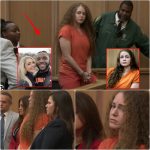
“WHAT THE HELL IS THIS?” — THE BRUISE THAT RAISED EARLY QUESTIONS ABOUT ISABELLE WELSH
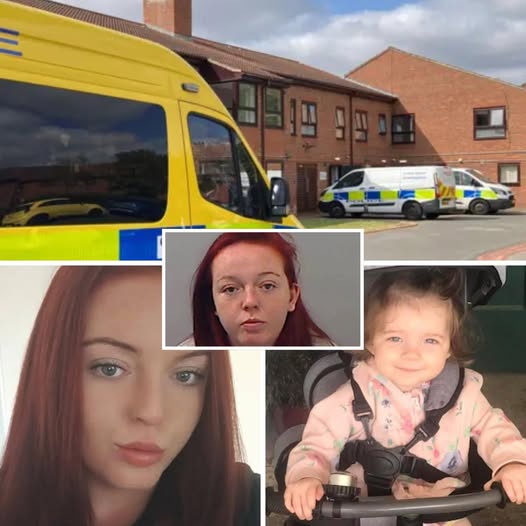
“WHAT THE HELL IS THIS?” — THE BRUISE THAT RAISED EARLY QUESTIONS ABOUT ISABELLE WELSH
Before the full extent of Isabelle Welsh’s injuries emerged in court, her grandmother had already noticed something that troubled her—a bruise on the toddler’s back. What followed became part of a wider examination of the warning signs surrounding Isabelle’s final weeks.
THE MOMENT THAT ALARMED HER GRANDMOTHER
Isabelle Rose Welsh was just two years old when she died in September 2025.
During the murder trial at Teesside Crown Court, jurors heard evidence about injuries Isabelle had sustained before her fatal hospitalization.
One particularly striking account came from her grandmother.
She told investigators that she noticed a bruise on Isabelle’s back after the toddler had returned from hospital treatment.
The injury immediately caught her attention.
According to evidence presented to the court, an explanation was given that Isabelle had bumped herself on a sofa.
But the grandmother remained concerned.
Her reaction, according to the evidence, was:
“What the hell is this?”
 A SINGLE BRUISE BECAME PART OF A MUCH BIGGER PICTURE
At the time, the bruise may have appeared to be an isolated injury.
But investigators later uncovered evidence of extensive physical trauma.
A post-mortem examination documented 21 broken bones and 97 soft-tissue injuries.
Prosecutors told the jury that the injuries represented repeated episodes of harm rather than one accidental event.
The evidence included fractures affecting different parts of Isabelle’s body, alongside extensive bruising and other injuries.
EARLIER HOSPITAL VISITS ALSO CAME UNDER SCRUTINY
The court heard that Isabelle had already been taken to hospital before her death.
Those earlier medical encounters became an important part of the prosecution’s timeline.
Prosecutors argued that injuries identified before the fatal incident should be considered alongside what was subsequently discovered during the post-mortem examination.
The defense disputed the prosecution’s interpretation of the evidence.
Ultimately, jurors were required to assess the medical evidence, witness testimony and competing accounts before reaching their verdicts.
 WHAT HAPPENED TO ISABELLE?
The prosecution alleged that Isabelle had experienced repeated physical abuse before suffering the fatal head injury.
Her mother, Alexandra Walker, and Walker’s partner, Harrison Simpson, denied the allegations during the proceedings.
After the five-week trial, both defendants were found guilty in connection with Isabelle’s death.
The convictions brought the central criminal proceedings to a close, but the evidence heard throughout the trial has continued to generate questions about how Isabelle’s injuries developed over time.
THE SAFEGUARDING QUESTION
Perhaps the most difficult aspect of the case is not simply what happened during Isabelle’s final hours.
It is what happened before them.
A bruise was noticed.
Hospital treatment had already occurred.
Other injuries were subsequently identified.
And eventually, investigators were confronted with a scale of physical trauma that prosecutors described as evidence of prolonged harm.
That raises an uncomfortable question:
Could earlier concerns have triggered stronger protection for Isabelle?
That question extends beyond the courtroom.
It touches on how unexplained injuries in vulnerable children are assessed, how information is shared between professionals and families, and how seemingly isolated warning signs can sometimes form part of a much larger pattern.
A CASE THAT HAS LEFT A LASTING IMPACT
For Isabelle’s loved ones, no verdict can change what happened to her.
But the detailed evidence heard during the trial has provided a clearer account of the concerns that existed before her death.
The bruise her grandmother noticed was only one part of that evidence.
Yet it remains a haunting detail because it represents a moment when someone close to Isabelle saw something that did not look right.
Isabelle was only two years old.
Her case ultimately resulted in convictions and life sentences.
And the evidence has raised difficult questions about recognizing warning signs before tragedy occurs.
Independent commentary on publicly reported court proceedings. Not affiliated with police, government agencies or the prosecution.