“I’M FINE. DON’T WORRY ABOUT ME.” — THE WORDS DAVID CRAWFORD’S FAMILY CAN’T FORGET
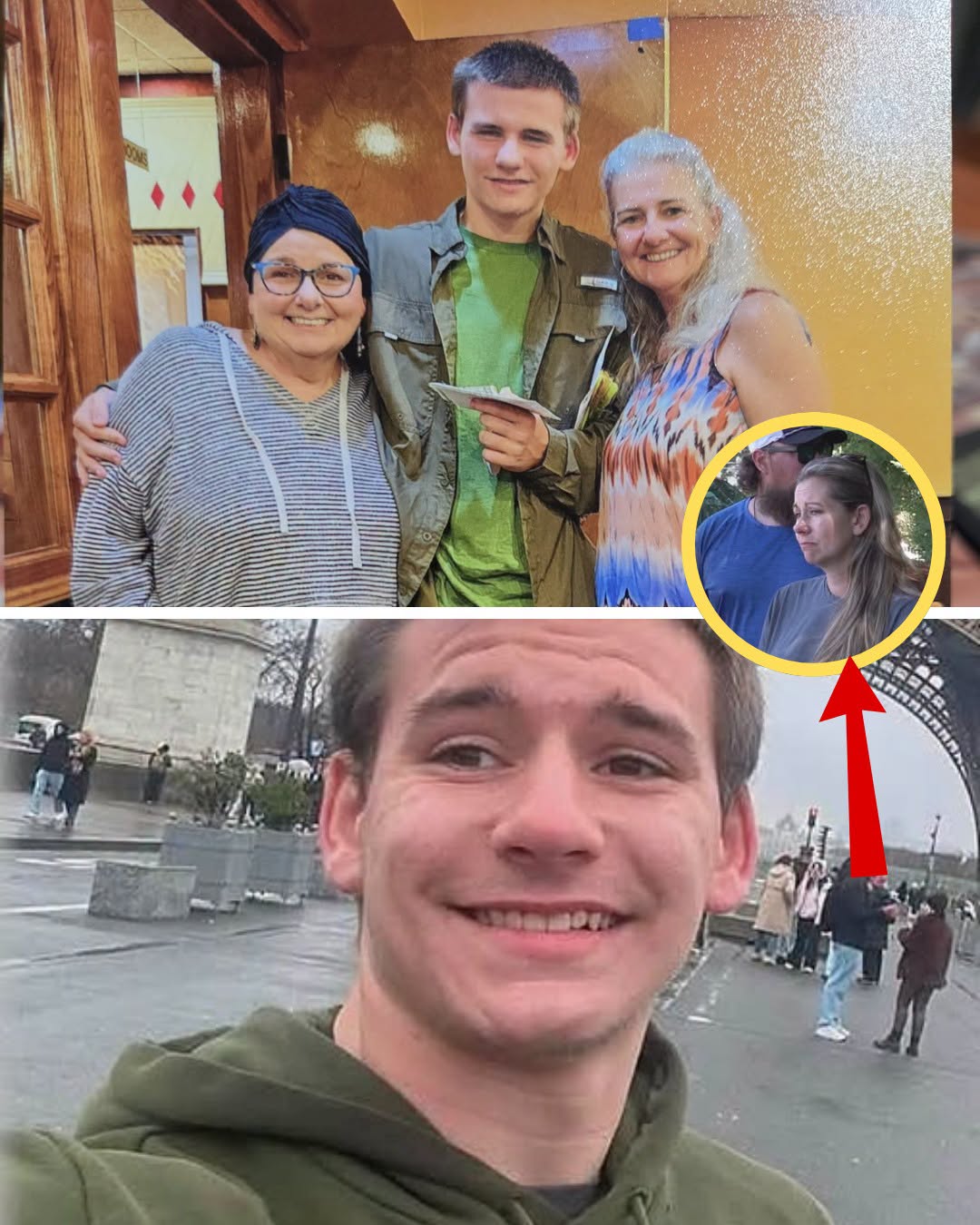
“I’M FINE. DON’T WORRY ABOUT ME.” — THE WORDS DAVID CRAWFORD’S FAMILY CAN’T FORGET
SEighteen-year-old David Crawford appeared to reassure his family whenever they asked if something was wrong. But after his death, classmates reportedly began sharing accounts that raised new questions about what he may have been experiencing at school. His family is now seeking answers about the months leading up to his death—and whether signs of his distress were missed.
 THE REASSURANCE THAT NEVER SEEMED TO CHANGE
When David’s mother asked him what was wrong, she says she often received the same response.
“I’m fine. Don’t worry about me.”
At the time, those words may have sounded like the answer any worried parent wanted to hear.
But David’s family says they had noticed changes.
The 18-year-old had reportedly become more withdrawn after an incident at school the previous year. There were moments when he appeared to shut down rather than explain what he was feeling.
Still, he continued to reassure the people closest to him.
He was fine.
Or at least, that was what he told them.
A DIFFERENT SIDE OF DAVID’S LIFE
At home, David could still appear cheerful, according to his family.
That made it difficult for those around him to understand what might have been happening beneath the surface.
His mother says she tried to give him opportunities to talk without forcing him.
But David reportedly kept his answers brief.
There was no clear explanation.
No detailed account of what was happening.
And no indication, at least to his family, of the full extent of the difficulties they would later hear about.
QUESTIONS BEGIN AFTER HIS DEATH
The picture began to change only after David died.
According to his family, classmates subsequently came forward with accounts of his experiences at school.
Those accounts reportedly included claims that rumors had circulated about David and that he may have faced social exclusion or harassment.
The allegations have not been independently established based on the information currently available.
But for David’s family, they have raised an urgent question:
Was there a part of his life that the adults closest to him simply never knew about?
 THE STORIES THAT CAME TOO LATE
For a family grieving the loss of an 18-year-old, learning new information after his death can create a particularly painful form of uncertainty.
Every conversation becomes something to revisit.
Every change in behavior becomes something to reconsider.
Every time David said he was okay can suddenly feel different.
His family is now trying to understand whether the experiences described by classmates were isolated incidents or part of a longer pattern.
And they want those questions answered through evidence—not speculation.
WHAT COULD HAVE BEEN MISSED?
The case raises a broader issue familiar to families, schools and communities.
Young people experiencing bullying, humiliation or social isolation do not always tell someone.
Sometimes they are afraid of being judged.
Sometimes they fear that speaking up will make things worse.
And sometimes they may not fully understand how deeply an experience is affecting them themselves.
A young person can still smile at home, attend classes and interact with relatives while privately struggling.
That does not mean every behavioral change indicates a serious crisis.
But it can make genuine distress extraordinarily difficult to recognize.
A MOTHER LOOKING BACK
For David’s mother, the questions are inevitably personal.
She asked him what was wrong.
She tried to understand.
She says she was repeatedly reassured that there was nothing to worry about.
Now she is left wondering whether there was another conversation David never felt able to have.
Could someone have recognized what was happening earlier?
Did anyone at school understand what he was experiencing?
Did David believe he had to handle it alone?
And most painfully:
How much did he keep hidden from the people who loved him?
There may not be immediate answers to those questions.
HIS FAMILY SAYS THEY WANT THE TRUTH
David’s family has emphasized that they are not seeking revenge.
They want the circumstances surrounding his final months to be properly examined.
If an investigation establishes that bullying, harassment or misconduct contributed to what happened, they want appropriate accountability.
But their central request is simpler:
They want to understand what happened to David.
That means listening to people who knew him, examining available evidence and separating confirmed information from assumptions that emerged after his death.
WHEN “I’M FINE” ISN’T THE END OF THE CONVERSATION
David’s story is a reminder that reassurance does not always mean everything is okay.
When someone says, “I’m fine,” they may genuinely mean it.
But sometimes they may be trying to protect their family from worry.
Sometimes they may not know how to explain what they are experiencing.
And sometimes they may simply not be ready to talk.
For families, friends and teachers, that can make recognizing hidden distress incredibly difficult.
The answer may not always be to push harder.
It may be to keep the door open.
To ask again.
And to make sure the person knows they will be believed if they eventually decide to speak.
THE QUESTION DAVID’S FAMILY IS LEFT WITH
David was only 18.
His senior year was supposed to be the beginning of another chapter in his life.
Instead, his family is now reconstructing the chapter that came before his death—one conversation, one memory and one new account at a time.
They cannot ask David what he was going through.
They can only listen to the people who knew him and examine what can be established.
And somewhere at the center of that search are the words his mother says she heard so many times:
“I’m fine. Don’t worry about me.”
Today, those words leave behind a question that his family desperately wants answered:
What was David trying so hard not to tell them?
His family says they are looking for answers, not revenge.
Any claims concerning bullying, harassment or the actions of other students should be treated as allegations unless independently confirmed by investigators or other reliable evidence.
Independent commentary based on information provided by the family and publicly reported accounts. The circumstances surrounding David Crawford’s death should be established through an appropriate investigation and the legal process.